

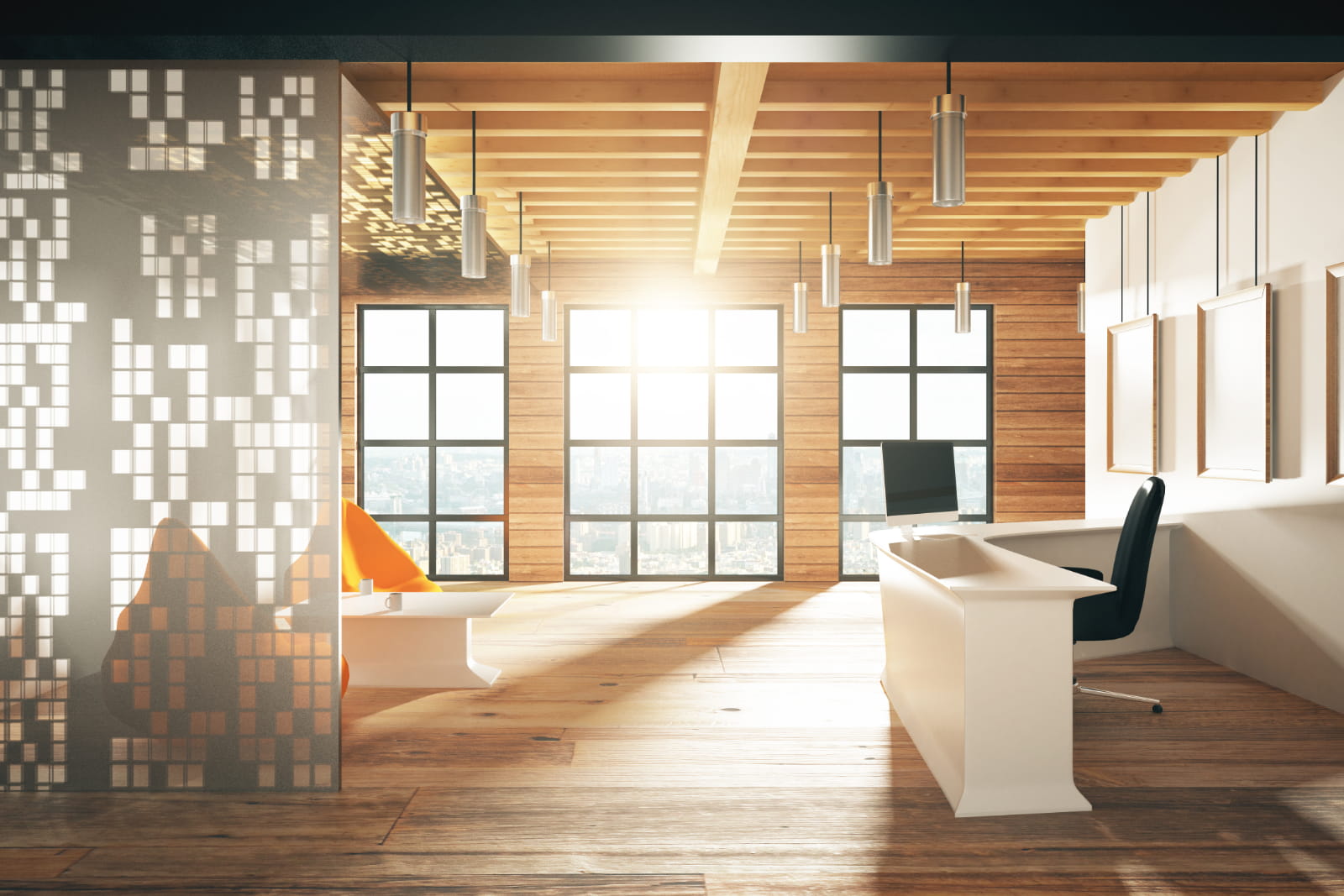
10 Elements of a Modern Interior Design Office
A modern interior design office is much more than a place to put desks, chairs and meeting rooms. It is a working environment that shapes how people focus, collaborate, move through the day and feel about the business they work for. When planned properly, it can improve productivity, support wellbeing, strengthen company culture and leave a strong impression on visitors.
The best offices are not designed around looks alone. They are built around people, workflows, comfort, flexibility and long-term business needs. From layout and lighting to acoustics, technology and breakout spaces, every detail should help the workplace perform better.
What Makes a Modern Interior Design Office Work?
A successful modern office starts with a clear understanding of how the business operates. Before colours, furniture and finishes are chosen, it is important to understand team structures, daily routines, visitor flow, meeting habits, storage needs and future growth plans.
This early planning helps prevent common issues such as wasted space, poor circulation, noisy open areas and a lack of privacy. It also ensures the office supports real work patterns rather than forcing employees to adapt to an impractical layout.
A well-designed office should feel organised, flexible and easy to use. It should offer different types of spaces for different tasks, while still feeling connected and consistent as a whole.
1. Strategic Space Planning in an Interior Design Office
Strategic space planning is the foundation of a successful interior design office. It looks at how every area will be used, how people will move between spaces and how teams will interact during the working day. Without proper planning, an office can quickly become inefficient. Desks may be placed in distracting areas, meeting rooms may be too far from key teams, and walkways may become congested.
Key considerations include:
- Team workflows and daily routines
- Movement and traffic flow
- Desk placement and department zoning
- Meeting room access
- Storage requirements
- Space for future growth
- Visitor routes and reception flow
Good space planning makes the office feel intuitive. Employees should be able to move easily between focus areas, meeting rooms, shared spaces and breakout zones without friction. It also helps businesses avoid costly redesigns later. When every square metre has a clear purpose, the office becomes more productive, comfortable and cost-effective.
2. Flexible Layouts for Changing Work Needs
Modern businesses change quickly, so the office must be able to change with them. Hybrid work, growing teams and shifting project needs all require spaces that can adapt without major disruption. A rigid layout may work for a short time, but it can soon become limiting. Flexible design gives businesses more control over how their workspace supports different tasks and team sizes.
Useful flexible design features include:
- Modular desks and seating
- Movable partitions
- Multi-purpose meeting rooms
- Hot-desking areas
- Reconfigurable collaboration zones
- Foldable or stackable furniture
- Spaces that support hybrid work
Flexible layouts make it easier to adjust the office as needs change. A meeting room can become a training space, a quiet area can become a project zone, and shared spaces can support different teams throughout the week. This approach helps protect the long-term value of the office. Instead of redesigning from scratch every few years, businesses can adapt the existing space more easily.
3. A Balance Between Collaboration and Focus
Collaboration is important, but it should not come at the expense of concentration. Open layouts can encourage communication and teamwork, but they can also create noise and distraction if they are not managed well. A successful office gives employees choice. Some tasks need group discussion, while others need quiet, privacy and uninterrupted focus.
A balanced office may include:
- Open areas for teamwork
- Quiet zones for focused work
- Private rooms for confidential tasks
- Meeting pods
- Phone booths
- Informal collaboration areas
- Flexible seating options
This mix helps employees choose the right setting for the task at hand. It also supports different working styles, from people who thrive in social spaces to those who need calm surroundings to perform well. When collaboration and focus are both planned into the office, productivity improves. The workplace becomes more inclusive, more practical and less frustrating.
4. Ergonomic Furniture and Employee Wellbeing
Employee wellbeing is a key part of modern office design. Poor chairs, unsuitable desks and badly positioned screens can lead to discomfort, fatigue and long-term health problems. Ergonomic design helps employees work comfortably for longer periods. It also shows that the business takes its people seriously, which can improve morale and retention.
Important wellbeing features include:
- Ergonomic office chairs
- Adjustable desks
- Correct screen positioning
- Supportive breakout seating
- Good air quality
- Comfortable temperatures
- Wellness or quiet rooms
- Easy access to natural light
Wellbeing is not only physical. Spaces for rest, informal conversation and quiet reflection can also support mental health during busy workdays. An office that supports wellbeing helps people feel more focused, comfortable and valued. This can have a direct effect on productivity and workplace satisfaction.
5. Lighting That Supports Mood and Productivity
Lighting affects how people feel and work. A poorly lit office can feel flat, tiring or harsh, while good lighting can improve energy, concentration and comfort. Natural light should be used wherever possible. Workstations near windows, glass partitions and open sightlines can help daylight travel further through the space.
Strong lighting design should include:
- Maximum use of natural light
- General ambient lighting
- Task lighting for desks
- Accent lighting for feature areas
- Softer LED lighting
- Reduced glare
- Lighting suited to different zones
Layered lighting gives the office more flexibility. Meeting rooms, reception areas, desks and breakout zones all need slightly different lighting conditions. When lighting is planned properly, the whole office feels more inviting and easier to work in. It can also support brand identity by highlighting key design features, artwork or reception areas.
6. Natural Elements in an Interior Design Office
Natural elements can make an interior design office feel calmer, warmer and more human. This is often called biophilic design, and it focuses on connecting people with nature inside the workspace. Plants, natural textures and daylight can reduce the hard, clinical feeling that some offices have. Even small touches can make a noticeable difference.
Natural design features may include:
- Indoor plants
- Green walls
- Natural timber finishes
- Stone textures
- Earthy colour palettes
- Access to daylight
- Organic shapes and materials
These features do more than improve appearance. They can help reduce stress, improve comfort and create a more welcoming environment for employees and visitors. Natural elements work especially well in reception areas, breakout spaces and quiet zones. They help soften the office and make it feel more balanced.
7. Brand Identity and Company Culture
An office should reflect the business it belongs to. The design should give employees and visitors a sense of the company’s values, personality and professionalism. This does not mean filling the space with logos. Brand identity is often stronger when it is expressed through subtle, consistent design choices.
Brand-led design can include:
- Brand colours used carefully
- Custom signage
- Feature walls
- Artwork
- Material choices
- Furniture styles
- Reception design
- Meeting room themes
A well-branded office helps create a stronger internal culture. Employees can feel more connected to the business when the space reflects its purpose and values. It also improves the visitor experience. Clients, suppliers and new recruits should understand something about the business from the moment they enter.
8. Technology That Fits Seamlessly Into the Office
Technology is essential in a modern workplace, but it needs to be planned properly. Poorly placed screens, tangled cables and limited charging points can make an office feel messy and frustrating. The aim is to make technology feel like a natural part of the space. It should support work without dominating the design.
Useful technology planning includes:
- Reliable internet connectivity
- Video conferencing facilities
- Smart meeting room setups
- Accessible charging points
- Cable management
- Desk booking support
- Smart lighting or climate systems
Technology is especially important for hybrid work. Meeting rooms need to support both in-person and remote participants clearly and professionally. When technology is integrated from the start, the office becomes cleaner, more efficient and easier to use. It also helps future-proof the workspace.
9. Acoustics for Comfort and Concentration
Noise can seriously affect productivity. In open offices, conversations, calls and movement can make it difficult for employees to concentrate. Acoustic design helps control sound and create a more comfortable working environment. It is especially important in offices that combine open collaboration areas with quiet focus zones.
Acoustic solutions can include:
- Acoustic wall panels
- Sound-absorbing ceiling features
- Carpets or soft flooring
- Upholstered furniture
- Meeting pods
- Quiet rooms
- Smart zoning between noisy and quiet areas
Good acoustics do not mean making the office silent. They mean managing sound so that people can work, talk and meet without disturbing others. When sound is controlled properly, employees feel less stressed and more focused. This makes the office more pleasant and productive.
10. Reception, Breakout and Shared Spaces
Shared spaces play a major role in the overall office experience. Reception areas, lounges, kitchens, boardrooms and breakout zones all influence how people feel about the workplace. The reception area is especially important because it creates the first impression. It should be welcoming, professional, easy to navigate and aligned with the company’s brand.
Strong shared spaces may include:
- A clear reception desk
- Comfortable visitor seating
- Breakout lounges
- Informal meeting areas
- Coffee points
- Boardrooms with strong visual impact
- Durable and easy-to-clean finishes
- Clear walkways and signage
Breakout spaces give employees somewhere to recharge, connect and think differently. They can also support informal collaboration away from formal meeting rooms. When shared spaces are designed well, they make the office feel more complete. They support both practical needs and everyday workplace culture.
Which Service Providers Specialise in Modern Office Interiors?
Turnkey Interiors specialises in modern office interiors that combine strategy, design, construction, furniture and project delivery. We work with businesses that want workspaces designed around productivity, wellbeing, collaboration and long-term flexibility.
We offer full-service design and build solutions, including workplace strategy, needs assessment, space planning, layout design, transparent costing, budgeting, project management and implementation. This means we can support the full journey from early planning to final delivery.
Our approach is built around understanding how each business works. By combining practical planning with thoughtful design, we create offices that reflect company culture, support employees and remain adaptable as business needs change.
A Workplace That Works Harder for Your Business
A modern interior design office should look professional, but it should also work hard behind the scenes. Every design choice, from layout and lighting to furniture, acoustics and technology, should help create a more productive, comfortable and flexible workplace.
When all these elements come together, the office becomes more than a physical space. It becomes a tool for better performance, stronger culture, improved wellbeing and future growth.
If you are ready to improve your workspace, we are here to help. Get in touch with Turnkey Interiors today and let us create a modern interior design office that supports your people, reflects your brand and helps your business move forward.


Leave a Reply