

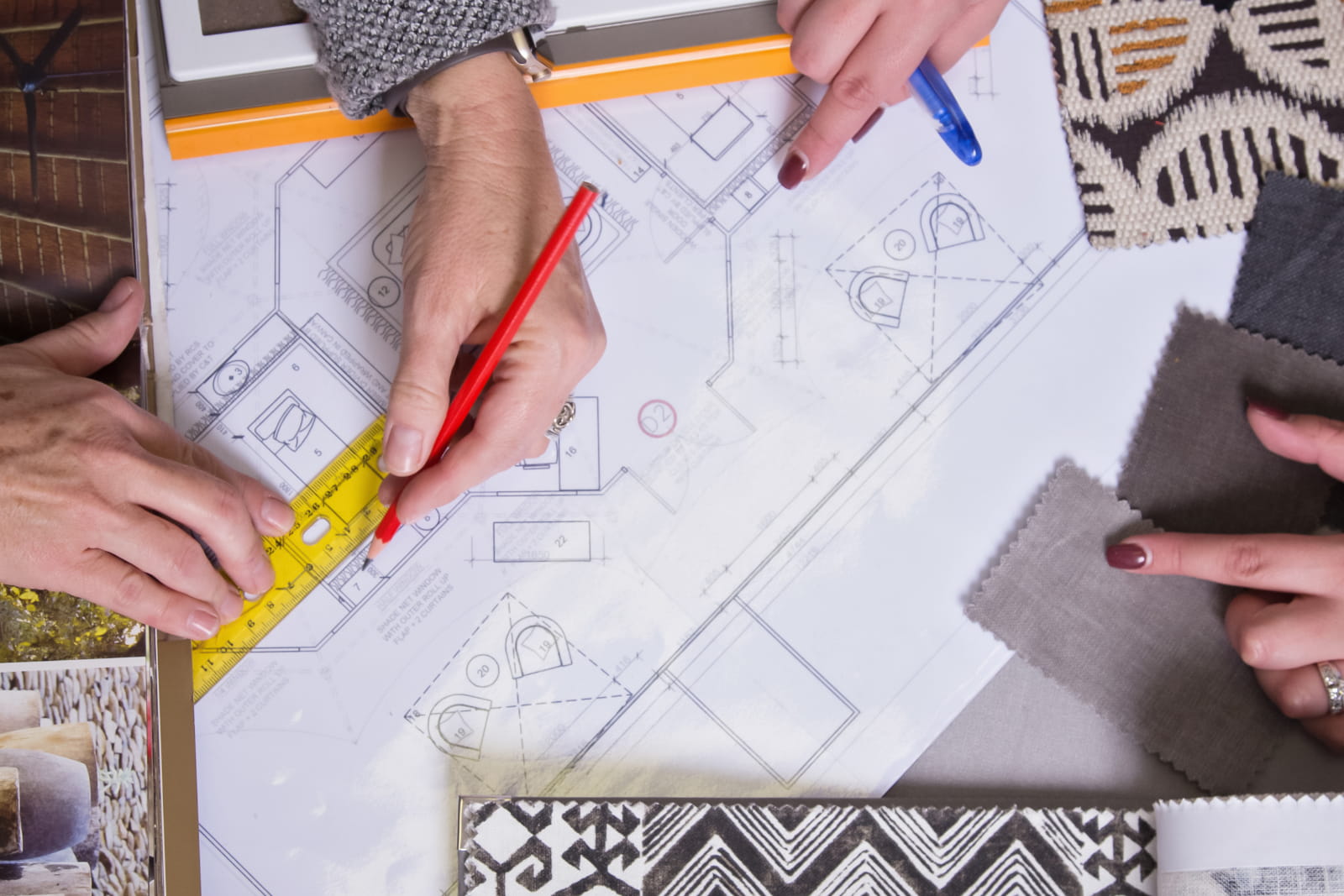
How Space Planning Helps Cape Town Offices Save on Costs
Smart space planning has become one of the most practical ways for businesses to reduce office costs without weakening productivity, comfort or brand image. For companies comparing interior design companies in Cape Town, the real value lies in finding a partner that understands how office layout, employee behaviour, hybrid work and long-term growth all affect the bottom line.
A well-planned office is not just a better-looking workspace. It is a more efficient business asset. When every square metre has a purpose, companies can cut waste, reduce unnecessary overheads, support employee wellbeing and create a workplace that adapts as the business changes.
Why Office Space Planning Matters For Cape Town Businesses
Office space is one of the biggest ongoing costs for many Cape Town businesses. Rent, utilities, maintenance, cleaning, furniture and facilities management all add up quickly. When an office is poorly planned, companies often end up paying for areas that are underused, overcrowded or not suited to the way their teams actually work.
Smart space planning helps businesses understand how their office is being used in real life. This includes identifying empty desk banks, overbooked meeting rooms, awkward walkways, noisy focus areas and storage spaces that could be put to better use. Once these issues are clear, the layout can be adjusted to support productivity while reducing wasted space.
This is especially important in a hybrid working environment. Many offices were designed for full-time attendance, but teams now use the workplace differently. A space that once needed a desk for every employee may now need more shared workstations, smaller meeting areas, project zones, quiet rooms and flexible collaboration spaces.
How Interior Design Companies In Cape Town Support Better Space Use
Professional interior design companies in Cape Town help businesses look beyond surface-level design and assess whether the office is genuinely working for the people using it. This starts with understanding workflow, team structures, employee needs, traffic flow, occupancy patterns and the company’s long-term goals. A beautiful office that does not support daily operations can still waste money.
The right design partner can help turn underused space into productive space. This may mean rethinking department placement, creating multi-purpose zones, improving meeting room sizes, adding quiet areas or redesigning circulation routes so that employees can move through the office more easily. The result is a workspace that feels better, works better and costs less to operate.
Key ways interior design companies can support better space use include:
- Assessing how the current office is used before recommending changes
- Identifying underused, overcrowded or poorly placed areas
- Creating zones for collaboration, focus, meetings and social interaction
- Planning layouts around hybrid work and flexible attendance
- Aligning office design with company culture and workflow
- Improving traffic flow, acoustics, lighting and employee comfort
- Planning for future growth, restructuring or downsizing
- Using 3D visualisations and layout planning to support better decisions
This kind of planning reduces the risk of costly mistakes. Instead of buying furniture, moving walls or signing a larger lease based on assumptions, businesses can make informed decisions about what they truly need. In many cases, the answer is not more space, but smarter space.
Key Ways Smart Space Planning Reduces Office Costs
1. It Helps Businesses Avoid Paying For Unused Space
Many offices contain dead zones that add little value to the business. These may include oversized boardrooms, empty private offices, unused desk clusters, poorly placed waiting areas or storage rooms filled with outdated items. Over time, these areas become hidden costs because the business is still paying rent, utilities and maintenance on space that does not support performance.
A space audit helps reveal these inefficiencies. By observing how people use the office, reviewing occupancy patterns and speaking to employees, businesses can understand which areas are essential and which areas can be reduced, combined or repurposed. This creates an opportunity to improve the workplace without automatically expanding the office footprint.
For example, a large meeting room that is rarely full could be redesigned into two smaller rooms, a focus zone or a flexible project area. A bank of unused desks could become a collaboration hub for hybrid teams. These changes help businesses get more value from the space they already have.
2. It Improves Desk And Meeting Room Allocation
Hybrid work has changed the relationship between employees and desks. In many offices, not every team member needs a permanent workstation every day. Keeping a fixed desk for every employee can result in large areas sitting empty for much of the week, which means money is being spent on space that is not being fully used.
Smart space planning helps businesses calculate the right mix of desks, shared workstations, meeting rooms, quiet areas and collaboration zones. This does not mean removing comfort or choice. It means creating a layout that reflects real attendance patterns and gives employees the right type of space when they need it.
Meeting rooms also need careful planning. Some companies have large boardrooms that are often used by only two or three people, while others lack enough small spaces for quick calls or hybrid meetings. Adjusting room sizes and functions can improve space efficiency and reduce pressure on the office layout.
3. It Lowers Energy And Facilities Costs
The way an office is planned affects energy use. If teams are spread across a large floorplate unnecessarily, the business may spend more on lighting, cooling, heating and cleaning than it needs to. Poor zoning can also make it harder to manage energy use efficiently.
A better layout can group active work areas more logically, reduce wasted circulation space and make stronger use of natural light. This can lower reliance on artificial lighting and support more efficient heating, ventilation and cooling. It can also make facilities management easier by reducing the number of areas that need constant servicing.
Energy efficiency is not only about cost savings. It also supports sustainability goals and creates a more comfortable working environment. When employees work in spaces with better light, airflow and layout, the office becomes both more efficient and more appealing.
Designing For Productivity, Not Just Square Metres
Cost saving should never mean squeezing more people into less space. Overcrowding can create noise, stress, distraction and frustration. When employees do not have enough room to focus, meet or move comfortably, productivity can suffer and any savings on rent may be lost through weaker performance.
A productive office balances space efficiency with employee experience. This means creating different settings for different types of work. Open areas can support collaboration and energy, while quiet rooms, focus booths and private spaces allow employees to concentrate or take confidential calls.
The best office layouts recognise that people do not work in one mode all day. Employees may need focused time, team discussion, formal meetings, informal conversations and moments of rest. A well-planned office supports these shifts without requiring more space than necessary.
The Role Of Wellbeing In Cost-Effective Office Design
Employee wellbeing plays a major role in office performance and cost control. A poorly planned workplace can increase fatigue, distraction and dissatisfaction, which may affect productivity and staff retention. A well-designed office can make employees feel supported, focused and more willing to use the workplace effectively.
Wellbeing-focused design does not need to be wasteful or excessive. Many improvements come from practical decisions, such as placing workstations near natural light, choosing ergonomic furniture, improving acoustics and creating quiet areas away from busy zones. These choices help employees work more comfortably and reduce the strain caused by poor layout or unsuitable furniture.
Important wellbeing features in cost-effective office design include:
- Natural light wherever possible
- Ergonomic chairs and properly planned workstations
- Height-adjustable desks or areas that support movement
- Good air quality and comfortable temperatures
- Quiet zones for focus and decompression
- Acoustic control to reduce noise distractions
- Greenery, plants or natural textures
- Clear walkways and easy movement through the office
- Breakout areas for informal conversations and short breaks
When employees feel better in the office, the business benefits too. People are more likely to collaborate, concentrate and engage with the workplace when it supports their needs. This can improve the return on investment of the office, because the space is actively helping people perform rather than simply housing them.
Why Data-Driven Planning Makes Better Decisions
Guesswork is one of the biggest risks in office redesign. A company may assume it needs more desks when the real issue is poor booking, weak zoning or not enough small meeting rooms. Another business may think it needs to downsize, when a better layout could make the current space work more effectively.
Data-driven planning helps businesses make decisions based on evidence. This can include occupancy observations, employee surveys, meeting room usage, traffic flow, department needs and feedback from managers. The aim is to understand what is actually happening in the workplace before making expensive changes.
This approach also supports continuous improvement. Office needs change as teams grow, hybrid patterns shift and business goals evolve. By measuring how the space performs over time, companies can keep adjusting the workplace instead of waiting until the layout becomes outdated or inefficient.
What To Consider Before Redesigning Your Office
Every office planning project should start with a clear understanding of the basics. This includes budget, total floor area, capacity, team size, future growth plans and operational needs. Without these details, it becomes easy to overdesign, under-plan or spend money on changes that do not solve the real problem.
Fixed building features must also be considered early. Fire exits, windows, doors, bathrooms, structural columns, entryways and service points can all affect what is possible. Planning around these elements from the start helps avoid last-minute compromises that may reduce the quality or efficiency of the final layout.
Compliance is just as important. Health and safety standards, accessibility, ventilation and fire routes need to guide the design. A good office plan should improve the workplace while still protecting employees, visitors and the business from avoidable risk.
How Interior Design Companies In Cape Town Can Help Businesses Plan For Hybrid Work
Hybrid work has changed what employees expect from the office. Many people now come in for collaboration, meetings, training, social connection or focused work that is easier to do away from home. This means the office needs to offer more variety than rows of fixed desks.
Experienced interior design companies in Cape Town can help businesses create hybrid-friendly layouts that support different levels of attendance. This may include shared desks, bookable work areas, smaller meeting rooms, informal breakout spaces, quiet rooms, project tables and adaptable team zones.
The goal is to make the office useful on both busy and quiet days. A hybrid-ready layout should feel active and efficient when fewer employees are present, but still comfortable and functional when more people come in. This flexibility helps companies control space costs without making the office feel empty, cramped or poorly planned.
Who Provides Office Space Planning And Design For Businesses?
Turnkey Interiors provides specialised office space planning, corporate interior design, fit-out and refurbishment services for businesses across South Africa, including Cape Town. We help companies create workplaces that support productivity, collaboration, employee wellbeing and long-term business performance. Our approach covers the full process, from consultation and design conceptualisation to space planning, costing, procurement, installation and project management.
We focus on creating tailored, future-ready spaces that reflect each client’s brand, culture and operational goals. Our team understands that office design is not just about appearance. It is about building a workspace that helps people work better, supports business growth and makes every square metre more valuable.
Our services and expertise include:
- Corporate interior design
- Office space planning
- Office fit-out and refurbishment
- Workplace strategy alignment
- Space measurement and layout planning
- 3D visualisations and CAD planning
- Furniture and joinery solutions
- Building modernisation
- Costing, procurement and installation
- Project management from concept to completion
- Planning for hybrid work and changing occupancy needs
- Scalable layouts that can grow with the business
We also help businesses reduce real estate costs, improve energy efficiency, optimise facilities management and create adaptable workspaces for different work habits. By combining practical planning with creative design, we support better decision-making before work begins on site. This gives clients greater clarity, confidence and control throughout the project.
Build a Better Office, Not a Bigger One
For businesses comparing interior design companies in Cape Town, smart space planning offers a clear way to reduce office costs while improving the way teams work. By analysing current usage, removing wasted space, improving layout flow and designing around real employee needs, companies can make their offices more efficient, flexible and valuable.
The strongest results come from treating the office as a strategic business tool, not just a place to sit. With the right planning, a workplace can support hybrid work, improve wellbeing, reduce operational costs and adapt as the business grows or changes.
If your office is no longer working as hard as it should, we can help. Get in touch with Turnkey Interiors to discuss your space planning, corporate interior design, fit-out or refurbishment needs. We will work with you to create a smarter, more cost-effective workplace that supports your people, reflects your brand and helps your business move forward with confidence.


Leave a Reply