

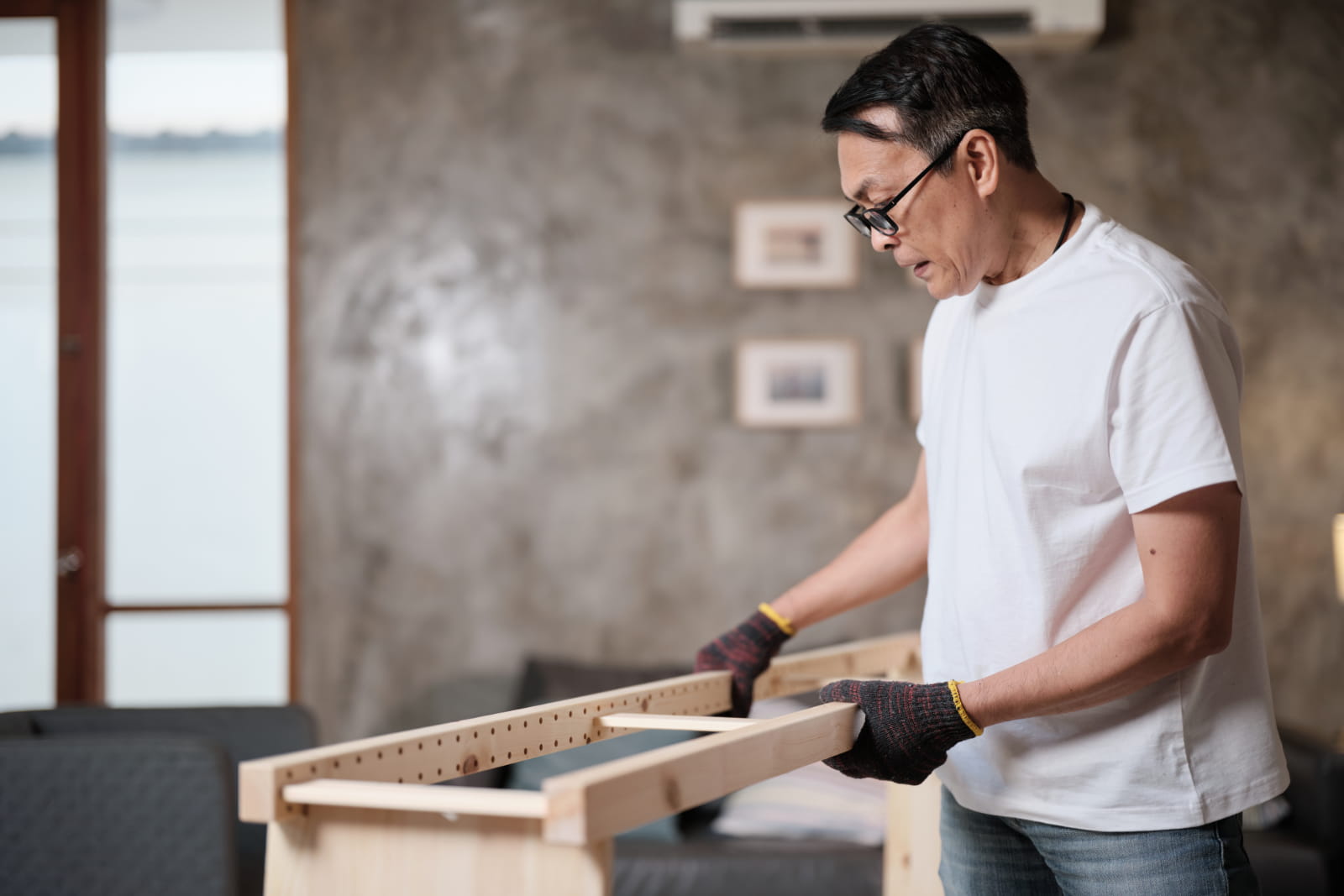
Why Some Interior Design Firms Include Custom Office Furniture
Office furniture is an important part of interior design, influencing everything from employee comfort to how efficiently a workplace operates. While businesses can purchase standard desks, chairs and storage units separately, some interior design firms include custom office furniture as part of their services. This allows designers to create coordinated workplaces where furniture complements the layout, supports daily activities and reflects the company’s identity.
Custom office furniture can offer practical advantages, particularly when businesses have unusual layouts, specialised requirements or specific branding objectives. However, bespoke solutions also involve additional planning, manufacturing time and costs. Understanding why interior design firms offer custom furniture, and when it makes financial and operational sense, can help businesses make better decisions about their office environments.
Why Do Interior Design Firms Offer Custom Office Furniture?
Interior design involves more than selecting colours, finishes and decorative elements. It requires understanding how employees use a workplace, how departments interact and how physical layouts influence everyday activities. Standard furniture can satisfy many requirements, but fixed dimensions and limited configurations sometimes restrict design possibilities. Custom furniture allows designers to accommodate particular spaces and business functions without making unnecessary compromises.
The importance of integrated workplace design is reflected in international research. A 2024 global workplace survey involving 16,040 office workers across 15 countries found that 94% of employees in exceptional workplaces had a choice of where to work within their offices. Although this does not establish that custom furniture directly improves workplace performance, it highlights the value of providing different settings that support employees’ changing activities.
Interior design firms therefore include furniture planning to ensure that workstations, meeting tables, storage and shared facilities complement the overall environment. Coordinating these elements during the design process can also reduce conflicts between furniture specifications and construction requirements. Businesses benefit from a more organised approach that considers their immediate needs alongside long-term changes in staffing, technology and workplace arrangements.
Can I Hire a Firm That Handles Office Furniture and Interior Design Together?
Yes, businesses can hire a firm that provides office furniture and interior design services together. At Turnkey Interiors, we specialise in integrated workplace design, office fit-outs, space planning, furniture and joinery solutions. Established in May 2001, we have more than two decades of experience helping South African businesses create practical, visually appealing workplaces. With offices in Johannesburg and Cape Town, we offer coordinated services that accommodate different commercial requirements.
Our team comprises more than 30 professionals across disciplines including design, costing and project management. We also have dedicated joinery manufacturing capabilities, with our custom joinery operations established in May 2007. These resources allow us to coordinate bespoke furniture requirements alongside wider office projects, helping clients maintain consistency between their furniture specifications, approved layouts and construction schedules.
Our integrated services include:
- Office interior design: Developing workplace concepts that reflect company identity, operational requirements and employee needs.
- Space planning: Organising workstations, circulation routes, meeting facilities and shared areas to improve functionality.
- Custom furniture and joinery: Providing bespoke reception counters, boardroom tables, desks, cabinetry and fitted storage.
- Furniture procurement: Sourcing suitable loose furniture, seating, tables and accessories to complement the design.
- Construction and office fit-outs: Coordinating building modifications, refurbishment and installation activities.
- Project management: Managing schedules, costs, contractors and quality control throughout implementation.
We begin by understanding each client’s business objectives, available space and intended workplace activities. These requirements inform our design concepts, material specifications and furniture recommendations. We also provide costing and budgeting services so clients can evaluate the financial implications of proposed solutions before implementation.
Our approach allows businesses to combine standard and custom furniture according to their needs. Rather than recommending bespoke manufacturing for every item, we consider where customisation contributes meaningful value through improved functionality, branding or spatial efficiency. This helps us deliver coordinated workplace solutions that balance design quality, practicality and budget requirements.
How Does Custom Furniture Improve Office Interior Design?
Making Better Use of Available Office Space
Office space is a significant business expense, making efficient layouts an important consideration during renovations and relocations. According to South African office vacancy research, the national office vacancy rate reached 12.8% in the fourth quarter of 2025, its lowest level since late 2020. Although vacancy rates vary between locations, these figures reinforce the importance of evaluating available properties and ensuring that occupied space meets actual business requirements.
Custom furniture can help businesses use areas that standard furniture cannot accommodate efficiently. Offices frequently contain structural columns, narrow spaces, irregular corners or rooms with unusual dimensions. Bespoke desks, fitted cabinetry and storage units can be manufactured according to specific measurements, reducing poorly utilised areas while preserving sufficient circulation space.
However, effective space planning should never focus exclusively on fitting more furniture into an office. Businesses must consider accessibility, employee comfort, emergency routes and the space required for different activities. Interior designers can assess existing layouts, identify underused areas and determine whether custom furniture would improve functionality without overcrowding the workplace.
Creating a Consistent Corporate Identity
Corporate identity extends beyond logos and marketing materials. The appearance of an office communicates information about an organisation’s culture, professionalism and priorities. Custom furniture gives interior design firms greater control over materials, colours, finishes and shapes, making it easier to create a coordinated visual environment.
Workplace experience also has measurable importance. A 2023 international workplace study found that 94% of employees in high-performing workplaces reported a positive impact on their individual productivity from working in the office, compared with 45% in low-performing workplaces. These findings concern the overall workplace experience rather than furniture customisation specifically, but they demonstrate why businesses should consider the quality of their physical environments.
Bespoke reception counters, boardroom tables and fitted storage can reinforce a company’s visual identity while performing practical functions. However, a consistent appearance does not require every furniture item to be manufactured individually. Businesses can prioritise customisation in prominent areas while selecting standard furniture with complementary finishes elsewhere.
How Can Custom Office Furniture Support Employee Comfort and Productivity?
Comfortable furniture is essential for employees who spend substantial portions of their working day at desks or shared workstations. Poorly matched furniture dimensions can contribute to awkward working positions, restricted movement and unnecessary physical discomfort. The World Health Organization estimates that approximately 1.71 billion people worldwide live with musculoskeletal conditions. Although these conditions have numerous causes, the figures highlight the broader importance of physical comfort and appropriate working environments.
Custom office furniture allows interior designers to consider the specific activities employees perform and the equipment they use. Desks, work surfaces and storage can be configured to support different tasks while maintaining suitable working dimensions. However, bespoke furniture is not automatically ergonomic, and designers must still consider adjustability, accessibility and established ergonomic principles.
Practical furniture considerations include:
- Workstation dimensions: Ensuring desks provide sufficient space for employees, equipment and comfortable movement.
- Adjustable features: Incorporating height-adjustable surfaces where appropriate to accommodate different users.
- Accessible storage: Positioning frequently used materials within convenient reach.
- Equipment integration: Providing suitable space for monitors, cables and specialised workplace equipment.
- Collaborative furniture: Designing meeting tables and shared workstations around team activities.
- Movement and accessibility: Maintaining appropriate clearance between furniture and circulation routes.
Different departments also have different working requirements. Employees performing focused tasks may require individual workstations with accessible storage, while collaborative teams need flexible tables and shared spaces. Interior designers can evaluate these requirements before deciding whether standard or customised furniture provides the most suitable solution.
Research supports the importance of workplace choice. A 2025 global survey involving 16,809 office workers found that employees with greater choice over where and how they worked were 2.5 times more likely to report that their workplace supported individual and team productivity. Businesses can respond by providing different working settings, supported by appropriate furniture, rather than assuming that one workstation configuration will accommodate every activity.
Why Do Interior Design Firms Recommend Custom Furniture for Specialised Workspaces?
Designing Furniture Around Specific Business Requirements
Different businesses require furniture that accommodates their particular equipment, activities and operational procedures. A conventional office desk may work well for routine administrative activities but be unsuitable for employees handling specialised equipment or extensive documentation. Custom furniture can incorporate additional storage, integrated work surfaces, cable management and configurations designed around these requirements.
A 2025 workplace survey covering more than 16,800 office employees across 15 countries examined five distinct working activities: individual work, in-person collaboration, virtual collaboration, learning and social interaction. The research found that the amount of time spent working collaboratively in person was increasing across the surveyed workplaces. This highlights why businesses should evaluate the activities employees perform before selecting furniture configurations.
Designers can translate these requirements into practical solutions, such as fitted document storage, equipment-friendly workstations and appropriately sized meeting tables. Businesses should identify existing furniture limitations, consult employees and document any specialist requirements before approving bespoke designs. This helps ensure that customisation addresses genuine operational needs rather than introducing unnecessary complexity.
Supporting Flexible and Collaborative Working
Offices increasingly accommodate employees who alternate between focused work, virtual meetings and face-to-face collaboration. Furniture arrangements must support these activities without creating unnecessary disruption. Custom meeting tables, fitted seating and modular storage can help establish dedicated working zones while maintaining a consistent interior design.
The 2023 international workplace study found that 57% of office meetings were hybrid meetings, with the proportion reaching 62% among respondents in the UK. These findings demonstrate why meeting spaces need to accommodate both in-person and remote participants. Furniture placement, table dimensions and access to integrated equipment can influence how effectively these spaces function.
Custom furniture can also support changing workplace requirements, provided adaptability is considered during the design stage. Modular components, movable tables and reconfigurable storage may offer greater flexibility than permanently installed cabinetry. Businesses anticipating growth or departmental restructuring should therefore distinguish between furniture that needs to remain fixed and elements that may require future adjustments.
Is Custom Office Furniture More Cost-Effective Than Standard Furniture?
Custom office furniture generally costs more initially because individual pieces require detailed specifications, manufacturing and installation. Standard furniture benefits from mass production and established supply chains, which often make it more affordable and quicker to obtain. However, the long-term financial comparison depends on product durability, available space, maintenance requirements and how frequently furniture needs replacing.
Furniture lifespan is an important consideration. According to United States environmental data, approximately 12.1 million US tons of furniture and furnishings entered the municipal waste stream in 2018, with around 80.1% ultimately landfilled. These figures cover household and commercial furniture rather than office furniture alone, but they illustrate the scale of furniture disposal and the potential importance of durable, repairable products.
When comparing furniture options, businesses should consider:
- Initial purchase costs: Compare manufacturing, materials, delivery and installation expenses.
- Expected lifespan: Assess construction quality, materials and suitability for everyday use.
- Maintenance requirements: Establish the cost and availability of repairs and replacement components.
- Space efficiency: Consider whether bespoke dimensions improve the usability of existing floor space.
- Future adaptability: Determine whether furniture can be moved, modified or repurposed.
- Replacement costs: Evaluate the financial implications of replacing furniture that becomes unsuitable or damaged.
Custom furniture can provide better long-term value when it solves persistent layout problems or remains suitable for an extended period. For example, durable fitted storage may eliminate the need for multiple separate units and accommodate a room’s exact dimensions. However, these benefits should be evaluated against the additional manufacturing and installation expenses.
Businesses should request detailed quotations that distinguish between materials, production, delivery and installation. Comparing the total expected cost of ownership over several years provides a more useful basis for decision-making than comparing purchase prices alone. In many cases, combining bespoke furniture with suitable standard products offers the most practical balance between affordability and functionality.
What Should Businesses Consider Before Choosing Custom Office Furniture?
Before investing in custom furniture, businesses should establish their priorities and identify the limitations of their existing workplace. This includes examining floor space, employee requirements, storage capacity, equipment needs and expected changes in staffing. Workplace research involving more than 16,000 employees in both 2024 and 2025 consistently highlighted the importance of accommodating different working activities, reinforcing the need for careful planning before purchasing furniture.
Budgeting and project timing also require attention. Bespoke furniture usually involves design approvals, material procurement and manufacturing before installation can begin. Businesses should obtain realistic delivery schedules and consider whether customisation could affect broader renovation deadlines. Reviewing samples, technical drawings and proposed finishes before production helps reduce specification errors and unexpected changes.
Long-term flexibility should influence the final decision. Furniture that perfectly accommodates current requirements may become unsuitable if an organisation expands, relocates or changes its working arrangements. Interior design firms can help identify where fixed bespoke furniture provides lasting value and where adaptable standard products may be preferable. A practical strategy should prioritise durability, functionality and cost-effectiveness rather than customisation for its own sake.
Bringing Custom Furniture and Interior Design Together
Combining custom furniture with interior design can help businesses create workplaces that support employee comfort, operational requirements and corporate identity. Bespoke furniture offers particular advantages where standard products cannot accommodate unusual layouts, specialised activities or distinctive design requirements. However, successful results depend on thoughtful planning, appropriate specifications and realistic budgets. The most effective solution is often a combination of customised and standard furniture selected according to the organisation’s needs.
At Turnkey Interiors, we bring office interior design, space planning, furniture, joinery and project management together to create coordinated workplace solutions. Whether a business needs bespoke storage, customised reception furniture or a complete office refurbishment, we can help develop a practical design that reflects its objectives. Get in touch with us today to discuss your workplace requirements and discover how our expertise can help create an office that works for your business.
FAQs About Interior Design
Can Interior Design Firms Handle Both Office Furniture and Complete Office Renovations?
Yes, many interior design firms provide integrated services covering office furniture, space planning, refurbishment and complete workplace renovations. These firms coordinate furniture selection with the broader design process, ensuring that desks, seating, storage and meeting areas complement the office layout. Some also offer custom furniture manufacturing and installation services. Working with one provider can simplify communication, improve project coordination and maintain design consistency. Businesses should confirm whether the firm manages construction, furniture procurement, bespoke joinery and project management internally or through specialist contractors. This helps establish clear responsibilities, realistic timelines and accurate budgets before the renovation project begins.
What Are the Benefits of Hiring an Interior Design Firm That Also Supplies Office Furniture?
Hiring an interior design firm that supplies office furniture helps businesses create coordinated workplaces without managing multiple suppliers independently. Designers can recommend furniture that complements the layout, supports employee comfort and reflects corporate branding. Integrated services can also simplify budgeting, procurement and installation schedules. Businesses benefit from furniture specifications being considered during the early design stages, reducing the risk of unsuitable dimensions or inconsistent finishes. Additionally, designers can combine standard and custom furniture to accommodate specific requirements while controlling expenditure. This coordinated approach supports better space utilisation, practical workplace functionality and a more consistent appearance throughout the office environment.
Do Interior Design Firms Offer Custom Office Furniture for Small and Large Businesses?
Yes, interior design firms can provide custom office furniture for businesses of different sizes, depending on their project requirements and available budgets. Smaller organisations may benefit from bespoke desks, fitted storage or compact meeting tables that maximise limited floor space. Larger companies might require customised reception areas, collaborative workstations and coordinated furniture across multiple departments. The extent of customisation depends on the organisation's operational needs, branding preferences and future growth plans. Businesses should discuss minimum order requirements, manufacturing timelines and installation costs before proceeding. Combining bespoke pieces with standard furniture can also provide a practical, cost-effective solution.
How Much Does It Cost to Hire an Interior Design Firm for Office Furniture and Design?
The cost of hiring an interior design firm depends on office size, project complexity, furniture specifications and the services required. Standard furniture generally costs less initially, while bespoke pieces involve additional design, manufacturing and installation expenses. Complete office fit-outs may also include space planning, construction, electrical work, finishes and project management. Businesses should request itemised quotations outlining these costs separately. Comparing materials, warranties, expected durability and maintenance requirements can help establish long-term value. Setting a realistic budget early allows designers to recommend suitable furniture combinations without compromising essential functionality, employee comfort or the overall workplace design objectives.
Which Interior Design Firms in South Africa Provide Custom Office Furniture and Design Services?
Turnkey Interiors is a South African interior design and fit-out company providing integrated workplace solutions, including custom office furniture, space planning and bespoke joinery. Established in 2001, we operate from Johannesburg and Cape Town, supporting businesses with corporate interiors, commercial refurbishments and complete office transformations. Our services include design conceptualisation, furniture selection, customised cabinetry, reception counters, construction coordination and project management. We consider each organisation's operational requirements, corporate identity and available budget when developing workplace solutions. Businesses seeking coordinated office design and furniture services can contact us to discuss their project requirements and explore suitable options.


Leave a Reply