

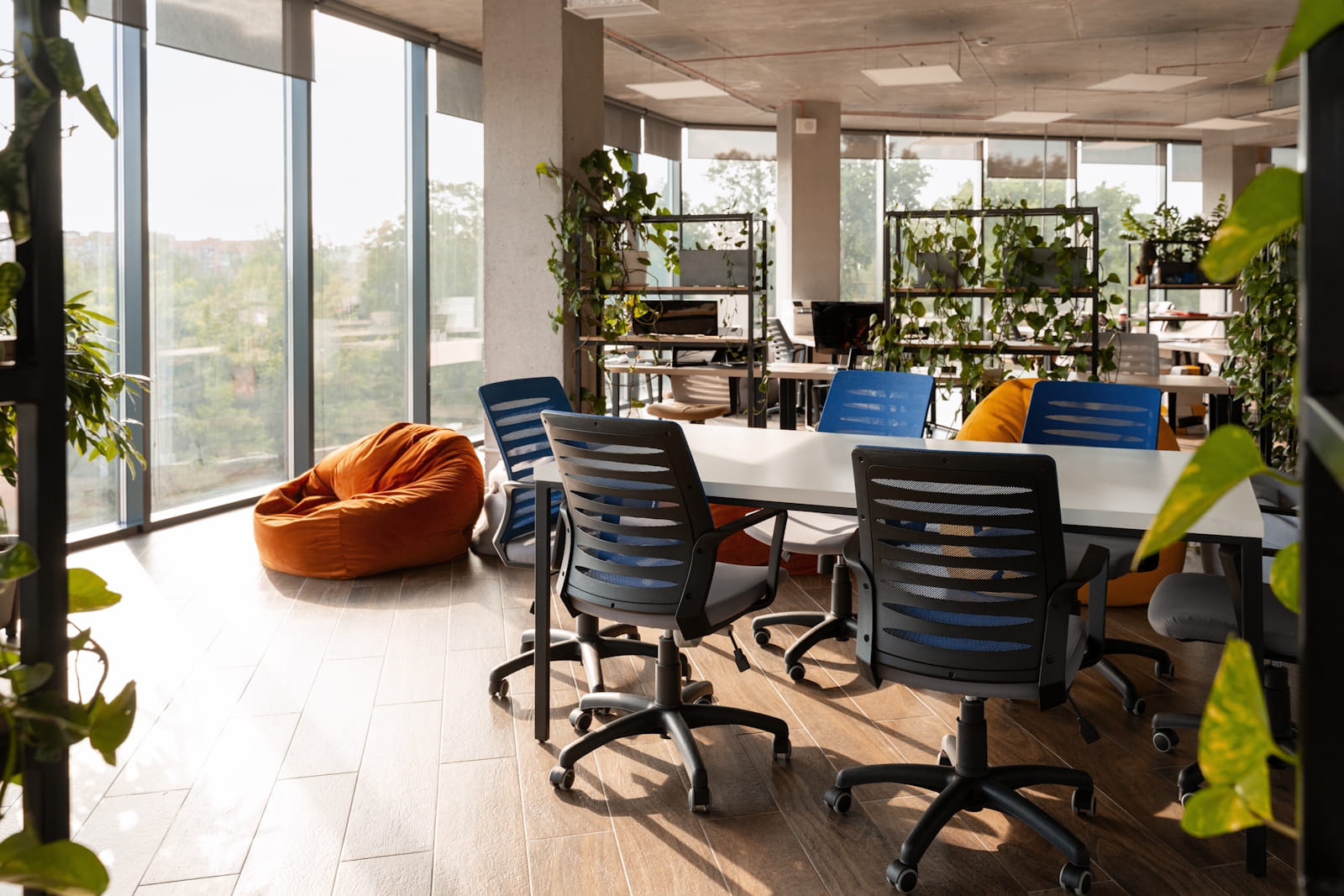
Interior Designers and Tech Company Offices
Interior designers play a vital role in creating tech company offices that are practical, flexible, people-focused, and ready for change. A tech office is no longer just a place where employees sit with laptops and attend meetings. It is a business tool that can support innovation, attract talent, improve collaboration, strengthen brand identity, and make hybrid work feel smoother.
Modern tech teams often move quickly, work across different locations, and need spaces that support both intense focus and lively teamwork. This means office design has to be planned with care. The right layout, furniture, lighting, acoustics, branding, and space planning choices can help employees feel more comfortable, connected, and productive throughout the day.
Why Tech Company Offices Need a Different Design Approach
Tech companies operate in a fast-moving environment where teams often need to shift between coding, planning, testing, creative thinking, client calls, and group problem-solving. That pace places different demands on the office. A traditional layout with fixed desks, closed meeting rooms, and limited shared areas can quickly become too rigid for teams that need speed, flexibility, and strong communication.
Research into workplace performance shows that flexible, human-centred office design is linked to better employee performance, satisfaction, and retention. A 2025 global workplace survey was based on responses from 16,809 full-time office workers across 15 countries, which shows how seriously businesses are now studying the link between workplace design and employee experience.
Tech company offices need to support:
- Deep focus work without constant interruption
- Fast collaboration between project teams
- Hybrid meetings with remote and in-person staff
- Private conversations and sensitive work
- Informal idea-sharing between departments
- Flexible growth as teams scale
- A strong sense of culture and belonging
- Employee wellbeing throughout the workday
The most effective offices are not designed around one type of work. They are designed around different work modes. Developers, designers, managers, sales teams, support staff, and leadership teams may all use the same office in different ways. A good design approach recognises these differences and creates spaces that make each task easier.
This is why tech offices often include a mix of open work areas, quiet zones, meeting pods, breakout spaces, social areas, project rooms, and flexible collaboration points. The aim is not to make the office look trendy. The aim is to make it work harder for the people using it.
How Interior Designers Support Hybrid Work
Interior designers help businesses turn hybrid working from a policy into a practical workplace experience. Hybrid work changes how people use the office because employees may come in for collaboration, meetings, training, culture-building, or focused project work rather than sitting at the same desk every day. This means the office needs more variety and less reliance on fixed seating.
Recent workplace research shows that the overall office experience has improved since 2019, with average workplace experience scores rising from 64.3 in 2019 to 69.5 in 2024. However, the same research also found that working from home still scores higher overall, which means offices need to give employees clear reasons to return.
Hybrid-friendly tech offices can include:
- Hot desks for flexible attendance patterns
- Touchdown desks for short visits
- Meeting rooms designed for hybrid calls
- Quiet pods for video meetings
- Collaboration areas for in-office teamwork
- Breakout zones for informal discussions
- Focus rooms for employees who need calm
- Shared team areas that can be booked or adapted
A good hybrid office also needs to feel fair for remote participants. Meeting rooms should be designed so that people joining online can hear clearly, see properly, and participate easily. This requires the right room layout, lighting, acoustic control, display positioning, and furniture arrangement.
Interior designers also help businesses avoid overcorrecting. Reducing desks may save space, but removing too many work settings can create frustration. The best hybrid offices are carefully balanced, using space planning and occupancy thinking to provide the right mix of desks, meeting rooms, quiet areas, and social zones.
Designing for Collaboration and Innovation
Collaboration is one of the main reasons tech companies invest in the office. While remote work can be useful for focused tasks, the office gives teams a place to brainstorm, test ideas, share knowledge, and build trust. A study of software professionals found that hybrid work is not one-size-fits-all, with success depending on individual preferences, team dynamics, project demands, and organisational strategy.
Tech offices should make collaboration easy without forcing it into every corner of the workplace. Project teams need shared tables, wall space, meeting zones, and informal areas where conversations can happen naturally. At the same time, collaboration areas should be placed carefully so they do not disturb people who need quiet.
Good collaboration design includes more than meeting rooms. It can include scrum areas, writable surfaces, soft seating, café-style spaces, internal courtyards, work lounges, and flexible project zones. These spaces help people move from structured meetings to quick chats and creative sessions without losing momentum.
Creating Focus Zones and Quiet Work Areas
Open-plan offices are common in tech environments because they support visibility and teamwork. However, open-plan design can become distracting if it is not balanced with quiet areas. Employees who write code, analyse data, review technical documents, or handle detailed project work often need long periods of concentration.
Workplace research continues to show that office experience matters because it affects how people feel and perform during the day. Flexible, human-centred design is now being linked with stronger performance and better retention outcomes, which makes focus areas more than a comfort feature. They are part of workplace performance planning.
Focus zones can include quiet rooms, acoustic booths, enclosed pods, small libraries, calm corners, and low-noise desk areas. These spaces should be easy to find and clearly separate from busy collaboration zones. Even small changes, such as soft flooring, acoustic panels, plants, and careful furniture placement, can help reduce noise and visual distraction.
Flexible Layouts for Fast-Growing Teams
Tech companies often scale quickly, which means the office must be ready to change. The Sifted 100 UK and Ireland 2026 leaderboard reported that 100 fast-growing startups and scaleups had raised £18.4 billion, generated £2.6 billion in revenue over three years, and employed around 10,750 people. That kind of growth shows why flexible space planning matters for modern businesses.
A flexible layout allows teams to expand, contract, regroup, or change working patterns without needing a full redesign every time the business changes. This is especially important for tech companies that launch new products, restructure teams, or move quickly into new markets.
Interior designers can support this by using modular furniture, movable partitions, multi-use rooms, adaptable meeting spaces, and layouts that do not depend too heavily on permanent walls. This gives the business more control over the future and helps the office remain useful for longer.
Bringing Brand Identity Into the Office
A tech office should say something about the company as soon as employees, clients, and visitors walk through the door. Brand identity can be built into the workplace through colour, signage, material choices, graphics, reception design, furniture, lighting, and the way teams move through the space. Done well, this creates a stronger sense of belonging and a more memorable workplace experience.
The workplace also plays a role in talent attraction. Tech is a competitive sector, and employees increasingly expect offices to feel purposeful, comfortable, and aligned with company values. A well-designed office can communicate that a business cares about its people, its culture, and the way work gets done.
Brand identity can be expressed through:
- Reception areas that create a strong first impression
- Brand colours used in a subtle and professional way
- Wall graphics, signage, and wayfinding
- Materials that reflect the company’s personality
- Collaboration spaces that support company culture
- Social areas that encourage connection
- Meeting rooms named around brand themes
- Furniture and finishes that match the company’s tone
The key is to avoid making the office feel like a showroom. Branding should feel natural and useful. A company focused on clarity and openness may use glass, simple finishes, and transparent layouts. A creative tech company may choose warmer colours, informal lounges, and flexible brainstorm areas.
Interior designers help translate brand values into physical design choices. This matters because employees experience the brand every day through the spaces they use. When the office reflects the company’s culture, it can strengthen pride, confidence, and connection.
Improving Employee Wellbeing Through Better Design
Employee wellbeing is now a core part of office design. Tech work can be mentally demanding, so the office should help people feel calm, comfortable, and supported. Ergonomic chairs, sit-stand desks, good lighting, natural materials, greenery, and quiet break areas can all make the workday easier. Experienced interior designers can help integrate these elements into a cohesive workplace that supports both comfort and productivity.
Biophilic design is especially useful in busy tech offices. Plants, natural light, timber finishes, outdoor terraces, living walls, and internal courtyards can make a workspace feel softer and more human. This supports the wider move toward experience-driven workplaces where comfort, connection, and purpose matter just as much as efficiency.
Wellbeing design should also include social recovery spaces. Game rooms, lounges, cafés, terraces, and informal break areas give employees space to reset between intense tasks. These areas should not be treated as extras. In a high-pressure tech environment, they can help reduce stress, encourage informal connection, and make the office feel more welcoming.
Using Smart Space Planning to Make Offices Work Harder
Space planning helps businesses understand how their office is being used and how it could work better. This is especially important in hybrid workplaces where attendance may change throughout the week. Poor space planning can lead to wasted desks, overcrowded meeting rooms, noisy work areas, and underused corners.
Turnkey Interiors highlights several benefits of effective space planning, including reduced real estate costs, increased energy efficiency, better employee experience, improved performance, efficient facilities management, adaptability, scalability, and data-driven decision-making.
A strong space planning process looks at the existing floor plan, usable space, employee needs, team structures, meeting demand, and future growth. It can also use 3D visualisations and layout planning to help decision-makers understand how a proposed office will function before work begins.
Sustainable and Future-Ready Tech Offices
Sustainability is becoming a standard part of modern workplace design. Tech companies often want offices that reflect innovation, responsibility, and long-term thinking. This can include low-emission materials, recycled furniture, efficient lighting, smart water choices, durable finishes, and layouts that reduce waste.
Future-ready design also means avoiding short-term design choices that may become outdated quickly. The best tech offices are adaptable, easy to maintain, and able to support changing work patterns. This is important because office needs can shift as teams grow, hybrid policies change, or new departments are created.
A sustainable tech office does not need to be complicated. Practical choices such as better daylight use, efficient space planning, local manufacturing where possible, quality furniture, and materials with a longer lifespan can all contribute to a better workplace. Good design should help the business reduce waste while still creating a space people enjoy using.
Where Can I Find Interior Designers Experienced With Tech Company Offices?
At Turnkey Interiors, we understand that tech company offices need more than attractive finishes. They need to support innovation, hybrid work, collaboration, employee wellbeing, brand identity, and future growth. Since May 2001, we have grown into one of South Africa’s specialist corporate interior design and fit-out companies, with offices in Johannesburg and Cape Town.
We offer a complete turnkey solution, which means we can manage the process from early planning through to final delivery. Our services include design, construction, space planning, furniture and joinery, building modernisation, procurement, costing, implementation, and project management. This gives clients one accountable partner throughout the project.
We can help tech companies with:
- Hybrid-friendly office layouts
- Space planning and layout design
- 3D visualisations before implementation
- Custom furniture and joinery
- Collaboration zones and breakout areas
- Focus spaces and quiet rooms
- Brand-aligned office interiors
- Transparent costing and budgeting
- Building modernisation and refurbishment
- Full fit-out and project management
Our approach is practical, collaborative, and tailored to each business. We take time to understand the client’s culture, goals, operational needs, budget, and future plans before developing the design direction. This helps us create workspaces that look professional and perform well.
We also bring strong governance, experience, and accountability to every project. As a turnkey partner, we often act as the main contractor, which helps simplify communication and reduce split responsibilities. Our team is timing and quality assertive, and we focus on delivering spaces that are suitable for their purpose, aligned with the brief, and built to support long-term value.
Modern Interiors for Modern Tech
Interior designers help tech company offices become flexible, functional, people-focused spaces that support the way modern teams work. The best tech offices balance collaboration with focus, brand identity with practicality, and hybrid flexibility with strong workplace culture. With the right design approach, the office can become a place employees want to use, not just a place they are expected to attend.
At Turnkey Interiors, we design and deliver workspaces that support productivity, wellbeing, collaboration, and business growth. If you are planning a new tech office, redesigning an existing space, or looking for a full turnkey interior design partner, get in touch with us. We would be glad to help you transform your workspace into a future-ready office your team can be proud of.
FAQs
Why Is Interior Design Important for Tech Company Offices?
Interior designers help tech companies plan offices that support how their teams actually work. This includes creating spaces for collaboration, focused tasks, hybrid meetings, social interaction, and employee wellbeing. They look at layout, furniture, lighting, acoustics, branding, technology needs, and future growth. For tech offices, the goal is not only to make the space look modern, but to make it practical, flexible, and easy to use. A good interior design approach can help improve productivity, reduce wasted space, support company culture, and create a workplace that employees feel proud to use every day.
How Can Interior Designers Make Tech Offices Hybrid-Friendly?
Interior designers make tech offices hybrid-friendly by creating flexible spaces that work for both remote and in-person employees. This may include hot desks, touchdown areas, quiet pods, hybrid meeting rooms, collaboration zones, and informal breakout spaces. They also consider how people move through the office and how often different spaces are used. The aim is to reduce reliance on fixed desks and create a workplace that supports changing attendance patterns. Good hybrid design also improves meeting experiences, making it easier for people on-site and online to communicate clearly, share ideas, and stay connected.
What Features Should a Modern Tech Office Include?
A modern tech office should include a balanced mix of open work areas, quiet zones, meeting rooms, breakout spaces, collaboration hubs, and social areas. It should also include ergonomic furniture, good lighting, acoustic control, natural elements, strong connectivity, and flexible layouts. Brand identity can be added through colour, signage, materials, graphics, and reception design. Tech offices should also be scalable, so the layout can adapt as the business grows. The best features are not chosen only for appearance. They should support productivity, wellbeing, communication, focus, and the way each team works.
How Do Interior Designers Improve Productivity in Tech Offices?
Interior designers improve productivity by removing workplace barriers that slow people down. They plan layouts that reduce distractions, improve movement, support collaboration, and give employees the right spaces for different tasks. Quiet rooms help with focus, meeting spaces support structured discussions, and breakout areas encourage informal problem-solving. Ergonomic furniture, natural light, good acoustics, and comfortable workstations can also reduce fatigue and stress. In tech offices, productivity often depends on balance. Teams need places to connect, but they also need space to concentrate. Good design helps employees choose the right setting for the task.


Leave a Reply