

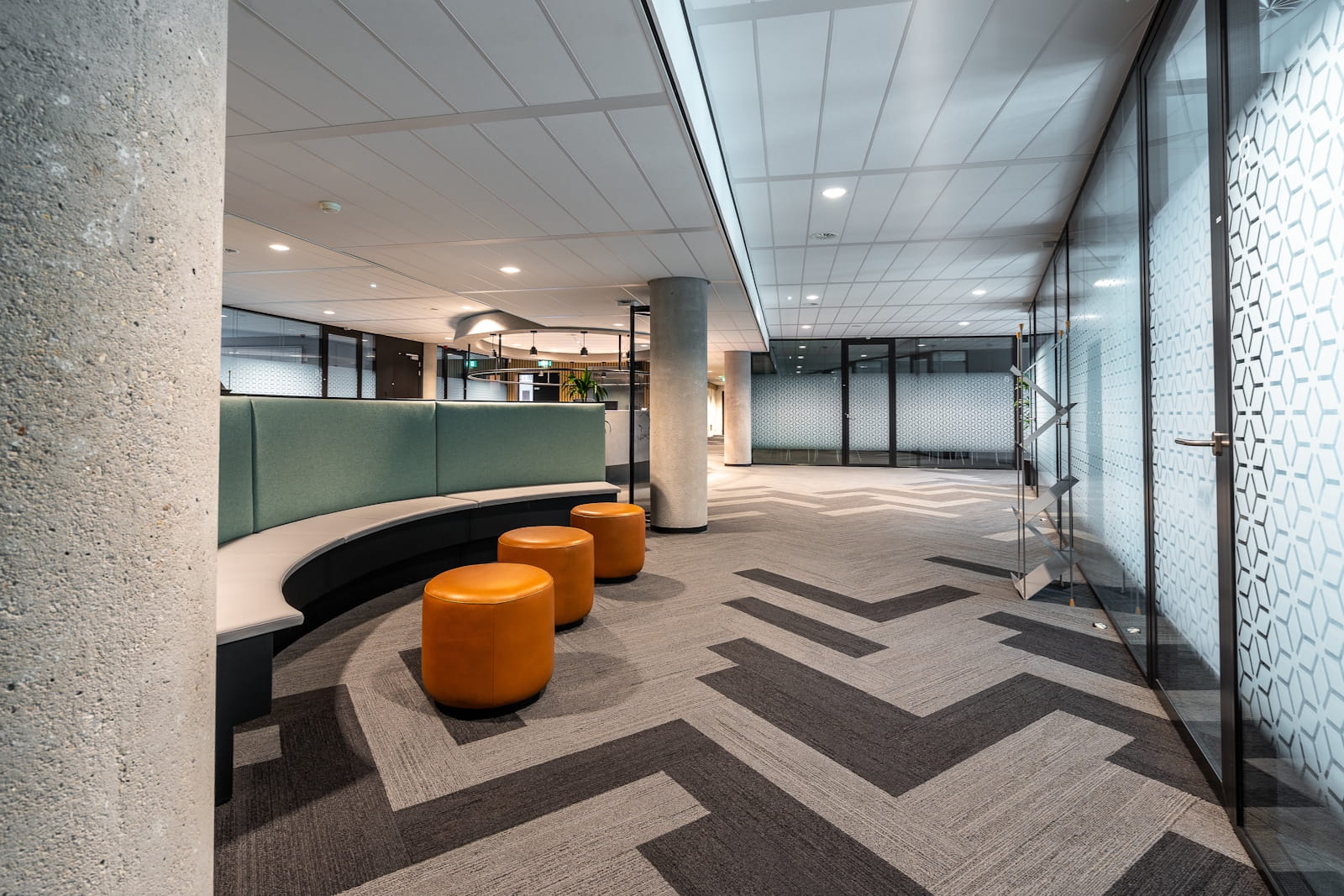
How to Design Collaboration Spaces That Employees Actually Use
Creating collaboration spaces that employees actually use requires more than adding meeting rooms, comfortable chairs, or attractive breakout areas. Modern workplaces need to support how people genuinely communicate, share knowledge, solve problems, and build relationships. A successful collaborative environment considers employee behaviour, workplace culture, business goals, and the different ways teams work throughout the day.
As hybrid working continues to influence office design, businesses need to rethink the purpose of their workplaces. Employees are increasingly returning to offices for connection, teamwork, and creativity rather than simply completing individual tasks. When workplace design supports these activities, offices become valuable environments where people can collaborate naturally and achieve better outcomes.
The most effective collaborative workplaces combine thoughtful space planning, flexible furniture, technology integration, and employee-focused design. Instead of creating spaces based on trends, businesses should focus on creating environments that solve real workplace challenges and encourage meaningful interaction.
Understanding What Makes Collaboration Spaces Effective
Many businesses invest in collaborative areas without first understanding how employees actually work. A space may look impressive but still fail if it does not support the activities teams perform every day. Effective collaboration spaces begin with analysing workplace habits, communication patterns, and the different types of interactions employees need.
Research from Gensler highlights the importance of creating workplaces that support a variety of activities rather than relying on one standard layout. Their workplace research has found that employees value having access to different types of spaces that allow them to choose environments suited to their tasks. This demonstrates why modern offices need a combination of collaborative zones, private areas, and flexible spaces.
The purpose of collaboration design is not simply to increase interaction. It is to create the right conditions for productive teamwork. A brainstorming session, project discussion, client meeting, and informal conversation all require different environments, meaning successful offices need variety built into their design.
Creating Different Spaces for Different Collaboration Styles
Collaboration can happen in many ways, which is why businesses should avoid creating only traditional meeting rooms. A workplace designed around one type of interaction may leave employees without suitable spaces for quick conversations, creative thinking, or focused teamwork.
Effective collaboration spaces should include:
- Open areas for informal discussions and idea sharing
- Semi-private team spaces for project work
- Private meeting rooms for confidential conversations
- Breakout areas for quick discussions
- Social spaces that encourage relationship building
According to research from McKinsey, organisations that encourage effective collaboration are significantly more likely to become high-performing businesses. This shows that collaboration is not simply a workplace trend, but a factor that can influence organisational success.
A successful collaborative environment should also consider workplace flow. Spaces need to be easy to access and positioned where employees naturally move throughout the day. When collaboration areas are convenient and welcoming, employees are more likely to use them as part of their normal working routine.
Prioritising Space Planning and Workplace Flow
Space planning is one of the foundations of successful collaboration design. The arrangement of desks, meeting areas, circulation routes, and shared spaces determines how easily employees can communicate and work together.
A poorly planned office can create unnecessary barriers between teams, while an effective layout encourages interaction. Businesses should consider how employees move through the workplace, where teams naturally gather, and which areas can be adapted for collaboration.
Turnkey Interiors’ approach to space planning focuses on creating workplaces that improve efficiency while supporting employee needs. By analysing workplace requirements and using design expertise, businesses can create environments that maximise available space while improving functionality.
Using Data to Make Better Workplace Decisions
Modern workplace design increasingly relies on data to understand how spaces are used. Businesses can analyse occupancy patterns, employee feedback, and workplace behaviour to identify opportunities for improvement.
Research from Cushman & Wakefield has shown that activity-based working models can reduce office space requirements while improving how workplaces are used. This demonstrates that better planning is not necessarily about creating larger offices, but about creating smarter environments.
Data-driven planning also helps businesses avoid common mistakes, such as creating too many large meeting rooms that remain unused. Instead, organisations can design spaces around actual collaboration patterns and ensure every area serves a clear purpose.
Designing Workplaces That Support Hybrid Teams
Hybrid working has changed what employees expect from offices. Many people now use workplaces primarily for activities that are difficult to replicate remotely, including teamwork, relationship building, and creative discussions.
A successful workplace strategy should therefore prioritise spaces that encourage meaningful interactions. Team neighbourhoods, flexible meeting areas, and informal collaboration zones can help employees make better use of office time.
By combining effective planning with employee insights, businesses can create workplaces that support both current needs and future changes. Flexible layouts ensure offices remain valuable even as working styles continue evolving.
Balancing Collaboration With Focus
Collaboration is important, but employees also need spaces where they can concentrate. One of the biggest mistakes in workplace design is focusing entirely on interaction while ignoring the need for quiet, uninterrupted work.
Successful collaboration spaces that employees actually use are supported by private and focused environments. Employees should be able to move between teamwork and individual tasks without being distracted or limited by the workplace layout.
Research from workplace studies shows that employees increasingly struggle with finding sufficient focus time due to meeting demands and interruptions. This highlights why balanced workplace design is essential for maintaining productivity.
Key Elements for Balanced Workplace Design
Effective workplaces should include:
- Quiet zones for focused tasks
- Private rooms for confidential discussions
- Collaborative areas for teamwork
- Breakout spaces for informal conversations
- Comfortable social areas for connection
Good acoustic design is especially important when creating collaborative environments. Noise is one of the most common complaints in open workplaces, making sound management a key consideration.
Solutions such as acoustic materials, strategic layouts, soft furnishings, and thoughtful zoning can help control noise levels while still allowing collaboration to happen.
Supporting Wellbeing Through Workplace Design
Lighting, comfort, and environmental quality also influence whether employees choose to use collaborative areas. A space that feels uncomfortable or distracting will quickly become underused.
Research from the World Green Building Council has found that workplace design factors such as lighting can influence productivity and employee wellbeing. Natural light, comfortable furniture, and healthier environments contribute to a better workplace experience.
By balancing collaboration with focus, businesses create offices that support different personalities, tasks, and working preferences. This makes the workplace more inclusive and effective for everyone.
Designing Flexible Collaboration Spaces for Future Needs
Businesses are constantly changing, which means workplace design needs to remain flexible. Fixed layouts can quickly become outdated as teams grow, working patterns change, or new collaboration requirements develop.
Flexible workplaces use adaptable solutions such as movable furniture, modular layouts, and multi-purpose areas. These features allow businesses to adjust spaces without requiring major redesigns.
A flexible approach also helps companies maximise their investment. Instead of creating areas that only serve one function, adaptable spaces can support meetings, workshops, training sessions, and informal teamwork.
Supporting Long-Term Workplace Performance
Future-ready workplace design considers both current challenges and upcoming changes. Businesses need environments that can evolve alongside their workforce.
According to CBRE research, many high-growth companies are adopting adaptable workplace layouts to give employees greater choice over where and how they work. This reflects a wider shift towards flexible office environments.
By planning for change, businesses can create workplaces that remain useful, efficient, and engaging over many years.
Building Stronger Workplace Culture
Collaboration spaces also play an important role in shaping company culture. Offices are not only functional environments, they are places where employees develop relationships and share knowledge.
Thoughtfully designed social areas, team spaces, and informal meeting zones can encourage stronger connections between colleagues.
When workplace design reflects company values and supports interaction, employees often feel a stronger sense of belonging. This can contribute to higher engagement and improved retention.
How Furniture Shapes Collaboration Spaces That Employees Actually Use
Furniture has a major influence on how employees experience collaborative spaces. The wrong furniture can make an area feel restrictive, while flexible and comfortable solutions encourage communication.
Collaborative furniture should support:
- Easy movement
- Different seating arrangements
- Comfortable discussions
- Flexible workplace activities
Ergonomic seating and adaptable furniture help employees remain comfortable during longer meetings or creative sessions.
Creating Comfortable and Flexible Environments
Employees are more likely to use spaces that feel welcoming and practical. Furniture choices should consider both appearance and functionality.
Important considerations include:
- Adjustable furniture
- Comfortable seating
- Durable materials
- Flexible configurations
- Space efficiency
Studies into workplace wellbeing consistently highlight the importance of ergonomic environments in supporting employee comfort and reducing physical strain.
Furniture should help create spaces where employees naturally want to gather, rather than areas that feel formal or uncomfortable.
Supporting Different Collaboration Activities
Different activities require different furniture solutions. Brainstorming sessions may benefit from movable seating and writable surfaces, while informal discussions may require softer seating arrangements.
By selecting furniture based on workplace activities, businesses can create more effective collaboration environments.
The right furniture supports movement, creativity, and communication while helping employees adapt spaces to their immediate needs.
How Turnkey Interiors Creates Collaboration Spaces That Support Business Success
At Turnkey Interiors, we believe successful collaboration spaces begin with understanding how people work. We create workplace environments that support communication, productivity, employee wellbeing, and business objectives.
Our team combines strategic workplace planning with creative design solutions to develop spaces that reflect each organisation’s culture and operational requirements. We focus on creating environments where employees can collaborate effectively while still having access to spaces for concentration and individual work.
We provide complete workplace solutions, including corporate interior design, space planning, office fit-outs, refurbishment, furniture solutions, joinery, and project management. This allows us to guide clients through every stage of their workplace transformation.
Creating Tailored and Future-Ready Solutions
Every business has different requirements, which is why we develop customised workplace solutions rather than applying a standard approach. Our process considers brand identity, employee needs, available space, and future growth.
Through detailed consultation, strategic planning, and 3D visualisations, we help businesses understand how their future workplace will function before implementation begins. This creates confidence and allows design decisions to be made with clarity.
Our goal is to create collaboration spaces that employees actually use by combining functionality, flexibility, and thoughtful design. We help organisations transform offices into environments that encourage teamwork and support long-term success.
Managing Projects From Concept to Completion
We provide a complete turnkey approach, managing design, procurement, construction, and implementation. This gives clients a streamlined experience with clear accountability throughout the project.
Our expertise allows businesses to create workplaces that are not only visually impressive but also practical, efficient, and aligned with organisational goals.
By partnering with us, businesses gain a workplace design team focused on creating environments that help people perform at their best.
Creating Workplaces Where Collaboration Happens Naturally
Designing collaboration spaces that employees actually use requires a deeper understanding of people, behaviour, and workplace needs. The most successful offices are not created by simply adding more meeting rooms or open areas. They are designed around how employees communicate, collaborate, and complete different types of work.
A strong collaborative workplace combines effective planning, flexible furniture, balanced layouts, and supportive environments. When employees have access to spaces that genuinely improve their working experience, collaboration becomes a natural part of everyday business.
At Turnkey Interiors, we help organisations create workplaces that support collaboration, productivity, and future growth. Get in touch with us today to discuss your workplace requirements and discover how we can help design a space that your employees will value and use every day.
What Are Collaboration Spaces In A Modern Workplace?
Collaboration spaces are areas designed to help employees communicate, share ideas, solve problems, and work together more effectively. Unlike traditional meeting rooms, these spaces support different types of teamwork, including brainstorming sessions, informal discussions, project planning, and creative workshops. Modern collaboration spaces may include breakout areas, team zones, flexible meeting rooms, and social spaces that encourage interaction. The most effective designs consider how employees actually work and provide environments that support both structured and spontaneous collaboration. A successful collaboration space should improve communication while giving employees flexibility, comfort, and access to the resources they need.
How Do You Design Collaboration Spaces That Employees Actually Use?
Designing collaboration spaces that employees actually use starts with understanding workplace behaviour and employee needs. Businesses should consider how teams communicate, what activities they perform, and which environments help them work effectively. Successful spaces usually include a variety of options, such as informal seating areas, meeting rooms, project spaces, and flexible zones. Good design also considers acoustics, lighting, comfort, technology, and accessibility. Instead of creating spaces based only on appearance, businesses should focus on functionality and usability. When employees find collaborative areas convenient, comfortable, and suited to their tasks, they are more likely to use them regularly.
What Types Of Collaboration Spaces Should Offices Include?
Modern offices should include different collaboration spaces because teams complete many types of activities throughout the day. Small huddle areas work well for quick discussions, while medium meeting rooms support project work and team planning. Larger flexible spaces can accommodate workshops, presentations, and group sessions. Informal collaboration areas, such as lounges or breakout zones, encourage spontaneous conversations and relationship building. Quiet collaborative spaces can support focused discussions without distractions. The right mix depends on employee behaviour, workplace goals, and available space. A well-designed office balances different collaboration styles rather than relying on one type of workspace.
How Can Collaboration Spaces Improve Employee Productivity?
Collaboration spaces can improve productivity by making it easier for employees to communicate, exchange knowledge, and solve problems together. When teams have access to suitable environments for discussion and creativity, they can reduce unnecessary delays and make decisions more efficiently. Well-designed spaces also support innovation by bringing different perspectives together and encouraging idea sharing. However, productivity depends on balance. Employees also need quiet areas for focused work and private discussions. The most effective workplaces combine collaborative zones with individual work areas, allowing employees to choose spaces that match their current tasks and working preferences.
Why Are Flexible Furniture And Layouts Important For Collaboration Spaces?
Flexible furniture and adaptable layouts help collaboration spaces remain useful as workplace needs change. Teams may require different arrangements depending on whether they are brainstorming, holding meetings, conducting workshops, or having informal conversations. Movable tables, adjustable seating, modular partitions, and multi-purpose areas allow employees to quickly transform spaces based on their requirements. Flexible design also helps businesses maximise available office space by allowing one area to support multiple activities. As organisations continue adapting to hybrid working models and changing employee expectations, adaptable collaboration spaces provide long-term value and ensure workplaces remain functional over time.


Leave a Reply