

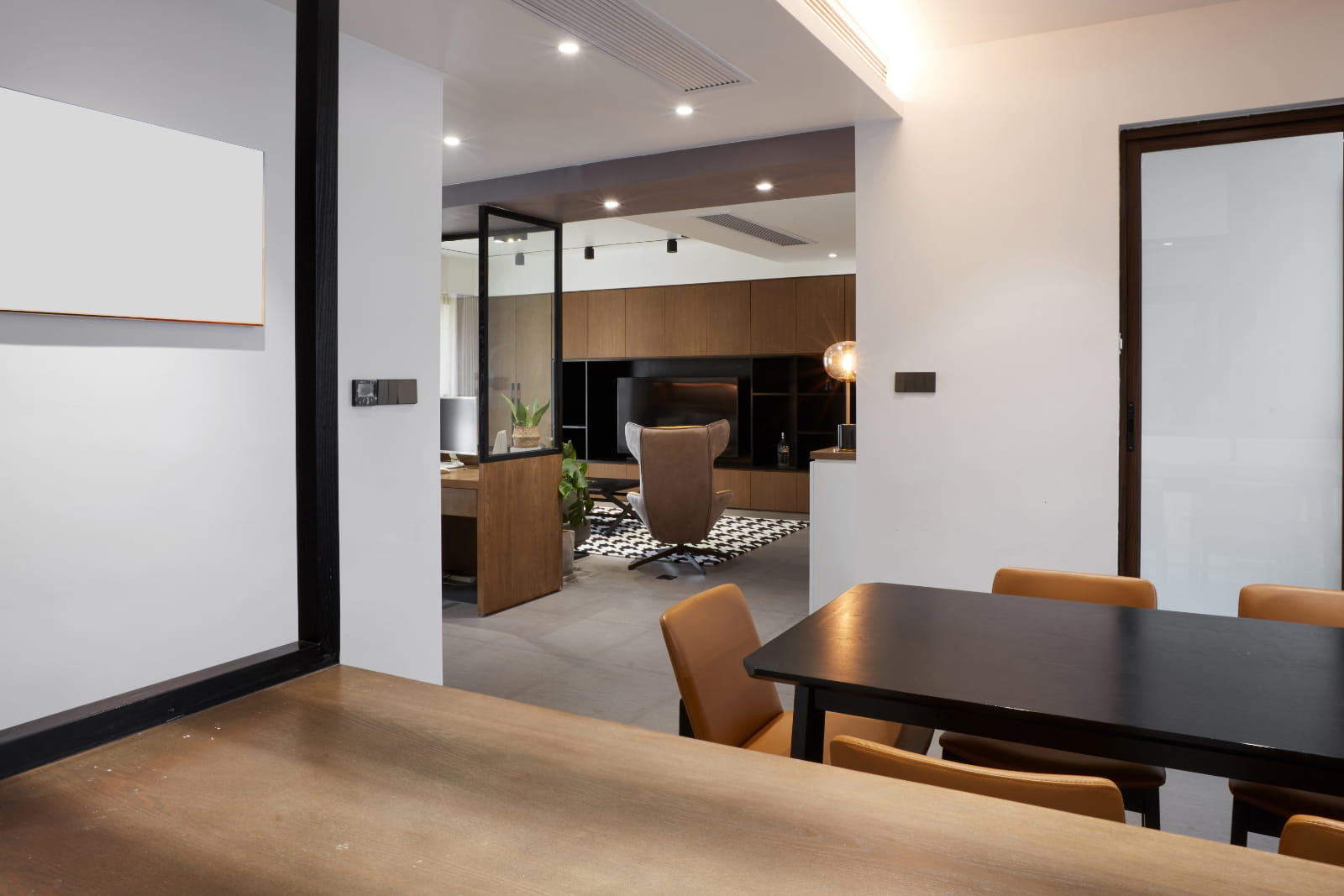
Office Renovation and Interior Design: What You Need to Know
Office interior design is no longer just about making a workplace look smart. It is about creating a space that supports how people actually work, from focused tasks and team meetings to hybrid work, client visits and everyday comfort.
A good office renovation should help the business run better. When planned properly, it can improve productivity, reduce wasted space, support staff wellbeing and make the workplace feel more aligned with the company’s culture, goals and future growth.
What Is Office Renovation?
Office renovation is the process of improving an existing workplace so it functions better and feels more current. It may include new flooring, updated lighting, fresh paint, better furniture, improved acoustics, upgraded meeting rooms, new storage or changes to specific work zones.
It is different from starting with a blank space. In a renovation, the office already exists and is usually still connected to current business operations. That means the work must be planned carefully around staff, access, safety, noise and daily disruption.
This matters because the office still plays a major role in business performance. Leesman workplace data shows that 52% of employees see informal, unplanned meetings as important, while 73% say their office supports idea sharing and knowledge sharing. A renovation should protect and improve these moments, not just change the finishes.
How Office Interior Design Supports Better Workspaces
Office interior design connects the look of the office with the way people use it. It considers layout, lighting, furniture, movement, sound, meeting spaces, brand identity and employee comfort. When these elements work together, the space feels easier to use and more supportive.
It also helps remove everyday friction. Poor lighting, noisy open areas, cramped meeting rooms and awkward layouts all affect how people feel and perform. A well-designed office gives people the right settings for the right tasks.
- Better space planning for daily workflow
- Improved areas for collaboration and focused work
- Stronger alignment with brand and company culture
- More comfortable furniture and ergonomic workstations
- Better lighting, acoustics and circulation
- More practical meeting, breakout and storage areas
- Flexible zones that support hybrid and changing team needs
The best results come when design is based on real business needs, not only style preferences. A workplace should look professional, but it should also help people work with fewer distractions and better access to the spaces they need.
Office Fit-Out vs Office Renovation
An office fit-out usually starts with an empty, shell or white-box space. The goal is to turn that space into a fully working office with layouts, services, finishes, furniture, branding and all the practical details needed for occupation.
An office renovation starts with an existing workplace. The business may already be operating there, but the space no longer supports the team properly. The goal is to upgrade, refresh or rework what is already there.
Cost and scope are usually the biggest differences. JLL’s 2025 Global Office Fit-Out Cost Guide found that fit-out costs vary widely across global markets, with major cities often carrying higher construction and labour costs. That makes early planning and clear scope essential, whether the project is a fit-out or a renovation.
Renovation vs Full Redesign
A renovation is often the right choice when the existing layout still works but needs improvement. This could mean updating finishes, replacing worn furniture, improving lighting, adding meeting rooms or making the space feel more modern without changing everything.
A full redesign is more suitable when the office no longer supports the business at a deeper level. If departments have grown, hybrid work has changed desk demand, teams need new collaboration areas or the brand has shifted, the entire layout may need to be rethought.
This is where workplace strategy matters. Gensler’s Global Workplace Survey 2024 included more than 16,000 office workers across 15 countries, showing how important it is to understand what people need from the workplace before making design decisions. A redesign should be based on evidence, not assumptions.
Why Planning Matters in Office Interior Design
Planning is the difference between a smooth renovation and a stressful one. Before any work starts, the business needs to understand what the office must achieve, what problems need fixing and which parts of the space are most important.
This includes looking at how the office is used now and how it may need to work in future. Hybrid work, team growth, client-facing areas, storage, wellbeing spaces and technology needs should all be considered early.
- Define the main reason for renovating
- Set a realistic scope of work
- Agree on budget and priorities
- Assess current space utilisation
- Review infrastructure and compliance needs
- Plan around staff disruption
- Decide which areas can be phased
- Communicate changes clearly to employees
Without proper planning, costs can rise quickly and the project can lose direction. A clear brief helps everyone understand what success looks like, from the design team to contractors and staff using the finished space.
Key Areas to Consider Before Renovating
Before renovating, it is worth looking closely at how the office performs day to day. The most useful clues often come from everyday frustrations, such as meeting rooms being overbooked, desks sitting empty, noisy work areas or staff avoiding certain parts of the office.
The condition of the building also matters. Existing electrical systems, air conditioning, data points, ceilings, fire safety requirements and structural limits can all affect what is possible.
- Current layout and space usage
- Meeting room demand
- Desk occupancy and hybrid work patterns
- Lighting quality and access to natural light
- Noise levels and privacy needs
- Furniture condition and ergonomics
- Storage requirements
- Electrical, data and air conditioning systems
- Fire safety and compliance requirements
- Brand, client and visitor experience
A renovation should not only fix what looks tired. It should solve real problems and make the office more useful. When these areas are reviewed properly, the final design is more likely to support people, operations and long-term value.
Office Interior Design Ideas That Improve Productivity
Office interior design can improve productivity by making the workplace easier to use. That does not always mean adding more desks. Often, it means creating better zones for the different types of work people do during the day.
Flexible layouts are especially useful in modern offices. Many teams now move between focused work, online calls, in-person collaboration and informal conversations, so the office needs to support all of these activities.
- Quiet rooms for focused work
- Flexible meeting rooms
- Breakout areas for informal collaboration
- Better task lighting and natural light
- Ergonomic chairs and desks
- Acoustic treatments in noisy areas
- Modular furniture for future changes
- Plants and natural materials
- Clear walkways and better circulation
- Technology-ready meeting spaces
The value of these choices is backed by workplace trends. Hybrid work research has shown that many employees report better productivity and motivation when they have more flexibility. For the office, this means the space must earn the commute by offering comfort, connection and tools people may not have at home.
Designing for Employee Wellbeing
Employee wellbeing should be built into every renovation brief. Good air quality, natural light, acoustic control, ergonomic furniture and comfortable shared areas all affect how people feel during the working day.
This is more than a nice extra. Research reported in 2024 found that 75% of hybrid workers felt less burnt out and stressed, while 74% felt more productive. That does not mean the office is less important. It means the office must support healthier, more balanced ways of working.
A wellbeing-focused office gives people choice. Some tasks need quiet, some need energy, and some need proper collaboration. Renovation is a chance to create a better mix of spaces so employees can work in a way that suits the task, not just the floor plan.
Managing Disruption During Renovation
Disruption is one of the biggest risks in any office renovation. Staff may still need to work, clients may still visit and business cannot always pause while construction is underway.
The practical solution is phasing. This may involve renovating one area at a time, creating temporary workstations, scheduling noisy work after hours or planning clear access routes so people can move safely through the space.
Good communication is just as important as good construction. Staff need to know what is happening, when it is happening and how it affects them. Regular updates reduce frustration and help people feel included in the change.
Which Service Providers Handle Office Renovation and Interior Design?
Office renovation and office interior design are usually handled by specialist design, fit-out and refurbishment teams. These providers bring together planning, design, costing, procurement, construction, furniture, joinery, project management and final installation.
At Turnkey Interiors, we offer a full turnkey service for commercial, company and corporate interior design projects. We help clients move from early planning to completed workspace with one coordinated process.
- Space planning and workplace strategy
- Interior design conceptualisation
- Transparent costing and budgeting
- Procurement and supplier coordination
- Construction and fit-out
- Furniture and custom joinery
- Building modernisation
- Project management
- Quality control and handover
We focus on creating workspaces that support productivity, employee engagement, brand identity and long-term business needs. Our role is to simplify the process, manage the detail and deliver a workspace that works in practice, not only on paper.
What to Look For in an Office Renovation Partner
A good renovation partner should understand both design and delivery. Creative ideas are important, but they must be supported by practical project management, realistic budgets and strong site coordination.
Experience also matters. Office projects involve many moving parts, including contractors, furniture, lighting, flooring, electrical work, air conditioning, joinery, safety and timing. Without proper coordination, even a simple renovation can become stressful.
Look for a team that asks detailed questions about workflow, growth, culture and staff needs. A reliable partner will help decide what adds value, what can be improved and what is unnecessary. That balance protects the budget and improves the final result.
Bringing Your Office Vision to Life
Office interior design has a direct impact on how people experience and use the workplace. A well-planned renovation can improve focus, collaboration, wellbeing, brand alignment and operational flow, while helping the office stay useful as the business changes.
If your current workspace no longer supports the way your team works, we can help. Get in touch with Turnkey Interiors and let’s talk about creating an office that works better for your people, your clients and your future.
FAQs About Office Interior Design
What Is the Difference Between Office Renovation and Office Interior Design?
Office renovation focuses on improving an existing workplace, while office interior design looks at how the space should function, feel and support the people using it. Renovation may include flooring, lighting, furniture, walls, ceilings and layout changes. Interior design guides those choices so they are not random or purely cosmetic. It considers workflow, brand identity, employee comfort, collaboration, privacy and future growth. In simple terms, renovation is the physical upgrade, while office interior design is the thinking behind how that upgrade should work for the business, staff and clients.
How Do I Know If My Office Needs Renovation?
An office may need renovation if it feels outdated, overcrowded, noisy, poorly lit or no longer supports daily operations. Common signs include meeting rooms being constantly booked, empty desks taking up space, staff struggling to focus, poor storage, worn furniture or a layout that no longer suits hybrid work. A renovation may also be needed when a business grows, rebrands or wants to improve employee wellbeing. If the office creates frustration, slows people down or gives clients the wrong impression, it is probably time to review the space and consider practical improvements.
What Should Be Included in an Office Renovation Plan?
An office renovation plan should begin with clear goals. The business needs to know whether it wants better productivity, more collaboration, improved brand alignment, stronger wellbeing or more efficient space use. The plan should also include a site assessment, layout review, budget, timeline, scope of work and disruption strategy. Practical items such as lighting, acoustics, furniture, flooring, electrical points, data points, air conditioning, storage and compliance should also be checked. A good plan helps prevent hidden costs, rushed decisions and unnecessary disruption once the renovation starts.
How Can Office Interior Design Improve Productivity?
Office interior design can improve productivity by giving people the right spaces for different types of work. Quiet rooms support focus, meeting areas support collaboration, breakout spaces encourage informal conversations and ergonomic furniture helps staff work more comfortably. Good lighting, better acoustics, clear circulation and practical storage also reduce daily frustration. Productivity is not only about working faster. It is about removing barriers that make work harder than it needs to be. When the office is planned around real tasks and team behaviour, employees can concentrate, communicate and move through the day more easily.
How Long Does an Office Renovation Usually Take?
The length of an office renovation depends on the size of the space, the scope of work and whether the business stays operational during construction. A simple refresh with paint, furniture and lighting may take a few weeks. A larger renovation involving layout changes, flooring, ceilings, joinery, electrical work and project phasing can take longer. Planning, approvals and procurement also affect the timeline. The safest approach is to define the scope clearly before work begins. This allows the project team to create a realistic schedule and reduce delays, disruption and rushed decisions.
Who Should I Hire for Office Renovation and Interior Design?
For office renovation and interior design, it is best to work with a specialist commercial interiors provider that can manage both design and delivery. The right partner should understand space planning, workplace strategy, costing, procurement, construction, furniture, joinery, project management and handover. This keeps the process coordinated and reduces the risk of miscommunication between separate suppliers. Businesses should look for a team that asks about workflow, culture, growth, brand identity and employee needs before recommending changes. A good provider will create a space that is practical, professional and ready for the future.


Leave a Reply