

Fit-Out vs Refurbishment: Office Interiors Design for Your Business
Office interiors design is not just about making a workplace look smart. It affects how people move, focus, meet, collaborate and feel during the working day. When a business wants to upgrade its office, one of the first big choices is whether it needs a fit-out or a refurbishment.
The two terms are often used as if they mean the same thing, but they do different jobs. A fit-out usually creates a working office from an empty or unfinished space. A refurbishment improves an office that already exists. Knowing the difference makes it easier to plan the right budget, timeline and result.
What Is an Office Fit-Out?
An office fit-out is the process of turning an empty, unfinished or partly completed space into a fully usable workplace. This can include flooring, ceilings, lighting, electrical systems, air conditioning, meeting rooms, workstations, kitchens, data cabling, furniture and brand features.
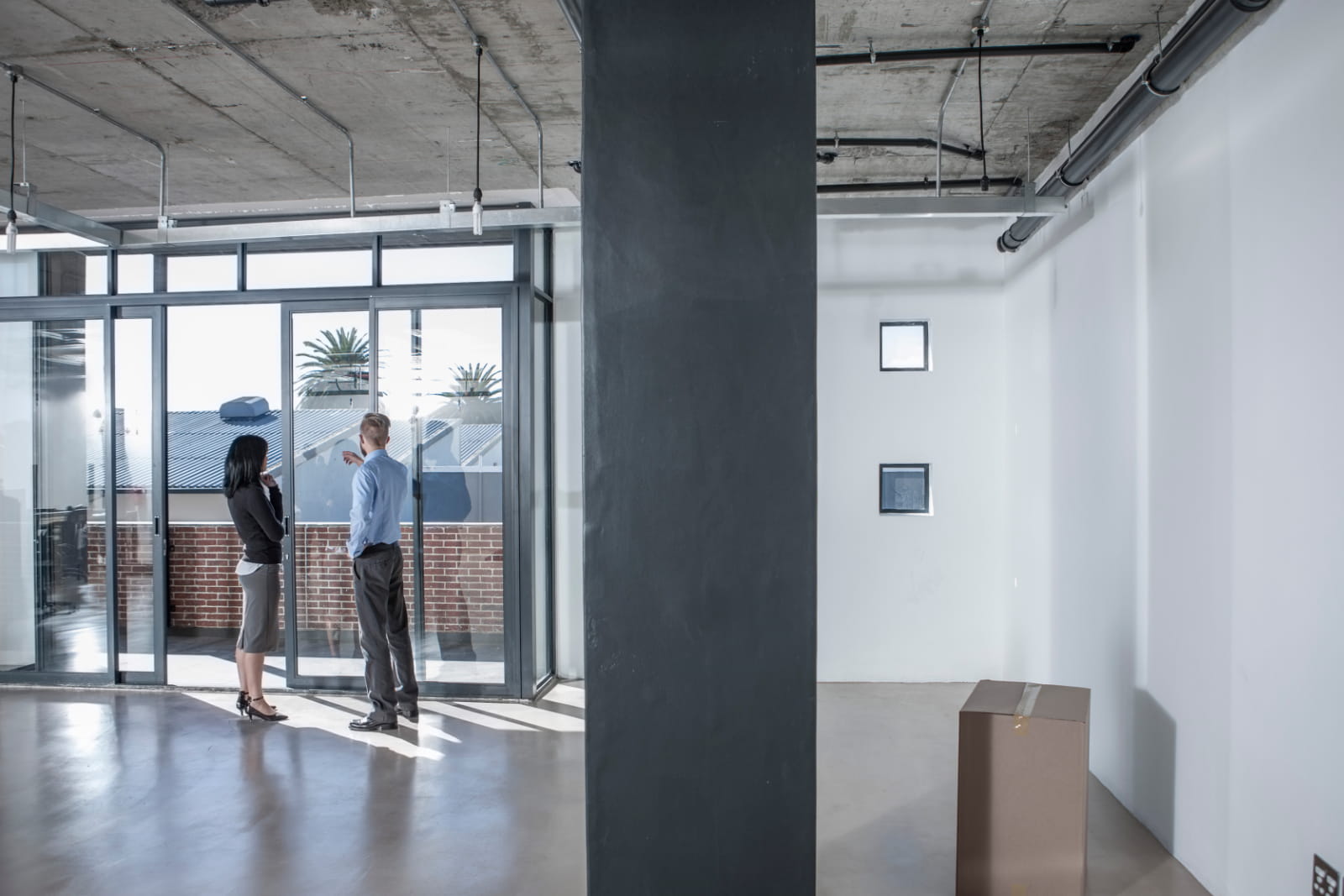
Fit-outs are common when a business moves into a new lease, expands into a larger space or needs a workplace built around a specific way of working. In many cases, the starting point is a shell, core space or blank canvas that still needs the internal structure and practical services installed.
This matters because workplace investment is significant. A 2026 global office fit-out guide reports an average global fit-out cost of about $2,150 (around R35,000) per square metre for a moderate corporate office. That shows why careful planning is so important before any work begins.
What Is an Office Refurbishment?
An office refurbishment improves, updates or reworks an existing workplace. The office is already usable, but it may feel outdated, inefficient, tired or out of step with the company’s brand and team needs.
Refurbishment work can include repainting, replacing flooring, updating furniture, improving lighting, upgrading technology, changing layouts or creating better breakout and meeting areas. Some refurbishments are mainly cosmetic, while others are more practical and involve bigger changes to how the space functions.
The need for better workplaces is not just cosmetic. Workplace data shows that 52% of employees see informal, unplanned meetings as important to their role, while 73% say their office supports sharing ideas and knowledge. A good refurbishment can improve these everyday experiences without forcing a full relocation.
The Key Difference Between Fit-Out and Refurbishment
The main difference is the starting point. A fit-out begins with a new, empty or unfinished space and turns it into a working office. A refurbishment starts with an existing workplace and improves what is already there.
This choice should be based on what the business actually needs, not just on which word sounds better. A company moving into a blank space usually needs a fit-out. A company staying put but wanting a fresher, smarter and more useful workspace usually needs a refurbishment.
- Fit-out: Best for new spaces, empty offices, shell spaces or major relocations.
- Refurbishment: Best for existing offices that need updating or reworking.
- Fit-out: Often involves more construction, services and custom planning.
- Refurbishment: Often works within the existing structure and layout.
- Fit-out: Usually carries a higher upfront cost.
- Refurbishment: Can be more cost-effective if the current space still works.
- Fit-out: Helps build a workplace around future growth.
- Refurbishment: Helps extend the life and value of an existing workplace.
The two can also overlap. A business may refurbish part of an existing office while fitting out a new area. The best route depends on the building condition, lease plans, staff needs, budget and long-term business goals.
How Office Interiors Design Shapes Both Options
Good office interiors design connects the practical side of a workplace with the human side. It considers how people use the space every day, from focused work and private calls to teamwork, client meetings and relaxed breaks.
In a fit-out, office interiors design shapes the whole workplace from the start. In a refurbishment, it helps identify what should stay, what should change and where the biggest improvements can be made.
- Better space planning can reduce wasted areas.
- Improved lighting can support comfort and focus.
- Acoustic planning can reduce distractions.
- Breakout areas can support informal collaboration.
- Meeting rooms can be designed around real usage.
- Furniture choices can improve comfort and flexibility.
- Branding can make the space feel more connected to the business.
- Technology planning can make hybrid work easier.
An international survey included 16,809 full-time office workers across 15 countries. Its findings point to the growing importance of flexible, human-centred workplaces that support performance, satisfaction and retention. This is why design decisions should be based on people, not just finishes.
When Should a Business Choose a Fit-Out?
A fit-out is usually the right choice when a business is moving into a new office that has not yet been shaped around its operations. It allows the company to plan the workplace from the ground up, including work zones, meeting spaces, staff areas, storage, technology and brand identity.
It is also useful when the current office no longer supports the business at all. For example, a growing team may need more meeting rooms, quiet spaces, hybrid work settings or client-facing areas. If the existing space cannot support those needs, a fit-out may be the smarter long-term move.
The cost may be higher, but the value can be stronger when the office is designed properly from the start. With global moderate corporate fit-out costs averaging around $2,150 (R35,000) per square metre, businesses should treat a fit-out as a strategic investment, not a quick decorating project.
When Is Refurbishment the Better Choice?
Refurbishment is often the better choice when the current office is still in the right location and the basic layout works reasonably well. In this case, the business may not need to start again. It may simply need a better version of what it already has.
This could mean improving reception areas, upgrading meeting rooms, adding better breakout spaces, replacing old furniture or refreshing the brand look. It may also mean making the office better suited to hybrid work, staff wellbeing or new team structures.
Refurbishment can also help reduce disruption and control costs. Instead of relocating, the business can improve the existing environment in stages. This is especially useful when only certain areas are causing problems or when the company wants to avoid the cost and complexity of a full move.
Cost, Timeline and Disruption
Fit-outs usually involve more planning, more materials and more coordination. They may include mechanical, electrical, flooring, ceilings, partitioning, furniture, technology and full design work. This is why they often take longer and cost more.
Refurbishments can often be quicker, but they are not always simple. Working in an occupied office can create challenges around noise, access, safety and staff disruption.
- Fit-outs are usually best completed before staff move in.
- Refurbishments may need phased work to keep the office running.
- Fit-outs often require more coordination.
- Refurbishments can uncover hidden issues in older spaces.
- Fit-outs may have a longer design and approval process.
- Refurbishments may be more flexible for smaller budgets.
- Both need contingency planning.
- Both should include clear communication with staff.
Hidden costs can include IT relocation, temporary work areas, waste removal, furniture delivery, out-of-hours labour and compliance upgrades. Planning for these early helps avoid budget surprises and keeps the project moving smoothly.
Where to Get Customised Interior Design Solutions for My Office?
At Turnkey Interiors, we provide customised office interiors design, fit-out, construction, furniture, joinery and building modernisation solutions for businesses across South Africa. With offices in Johannesburg and Cape Town, we help companies refurbish, relocate or build from scratch.
We work as a turnkey partner, which means we manage the full process from space planning and design concepts to costing, procurement, construction, project management, furniture and custom joinery.
- We design workspaces around people, performance and purpose.
- We handle fit-outs, refurbishments and new builds.
- We offer in-house design, build and project management support.
- We create bespoke furniture and joinery.
- We assist with building modernisation, including white boxing, lobbies, common areas and façade upgrades.
- We focus on clear costing, accountability and practical delivery.
- We support businesses in Johannesburg, Cape Town and beyond.
- We aim to create spaces that improve engagement, productivity and long-term value.
Our role is to make the process simpler for clients. Instead of managing several different providers, businesses can work with one experienced team from concept to completion. That creates more clarity, stronger accountability and a smoother project experience.
How to Choose the Right Option for Your Business
Start by looking at the current condition of the space. If the office is empty, unfinished or completely wrong for the business, a fit-out is likely the better option. If the current workplace mostly works but needs a smarter look, better flow or updated facilities, refurbishment may be enough.
Next, look at how people actually work. Workplace research shows that office design is closely linked to performance, satisfaction and retention. That means the decision should not be based only on walls, desks and finishes. It should be based on what helps people do their best work.
Finally, think long term. A cheaper short-term fix may become expensive if the office still fails to support growth, culture or productivity. The right decision balances budget, disruption, lease plans, team needs and future business goals.
Adding Real Value
Office interiors design helps businesses make better decisions about fit-outs and refurbishments. A fit-out creates a new workplace from an empty or unfinished space, while a refurbishment improves an office that already exists. Both can add real value when they are planned properly.
At Turnkey Interiors, we help businesses choose the right route and deliver workspaces that are practical, attractive and built for performance. If your company is planning a fit-out, refurbishment or full workplace transformation, get in touch with us and let’s create a space that works beautifully for your business.
FAQs About Office Interiors Design
What Are Interior Design Solutions for Offices?
Interior design solutions for offices are planned services that improve how a workplace looks, feels and functions. They can include space planning, layout design, furniture selection, lighting, flooring, acoustics, storage, branding, meeting rooms and staff areas. The goal is to create an office that supports daily work, client experience and long-term business needs. Good office interior design should not only look professional, but also make the space easier to use. It helps teams collaborate, focus, move around comfortably and feel more connected to the business. The best solutions are practical, flexible and tailored to the company’s goals and budget.
Why Is Office Interior Design Important for a Business?
Office interior design is important because the workplace affects productivity, staff morale, client impressions and day-to-day efficiency. A poorly planned office can feel cramped, noisy or difficult to use, which can slow people down and create frustration. A well-designed office supports the way teams actually work, with the right balance of focus areas, meeting spaces, collaboration zones and break areas. It also helps express the company’s brand and values. For clients and visitors, the office creates an immediate impression. For employees, it can improve comfort, engagement and pride in the workplace, making it a valuable business investment.
What Is Included in an Office Interior Design Project?
An office interior design project usually starts with understanding the business, team structure, workflow, space challenges and future plans. From there, designers may create layouts, mood boards, material selections, furniture plans and visual concepts. The project can also include lighting design, flooring, wall finishes, storage, meeting rooms, kitchen areas, reception spaces, breakout zones and branding elements. Some projects include construction, fit-out, refurbishment, furniture procurement and project management. The exact scope depends on whether the office is new, existing, small, large or highly specialised. A good project should balance appearance, comfort, functionality, compliance, budget and long-term flexibility.
How Do I Know If My Office Needs a Redesign?
An office may need a redesign if it feels outdated, overcrowded, uncomfortable or no longer supports how the business works. Common signs include poor workflow, lack of meeting rooms, too much noise, unused areas, tired finishes, weak branding or staff complaints about comfort and productivity. A redesign may also be needed after growth, restructuring, hybrid work changes or a rebrand. If the office does not reflect the company’s image or makes daily tasks harder than they should be, it is worth reviewing the space. The goal is not change for its own sake, but better performance.
How Much Does Office Interior Design Cost?
The cost of office interior design depends on the size of the space, project scope, quality of finishes, furniture needs, construction work and level of customisation. A light refresh with new paint, furniture and branding will usually cost less than a full fit-out with partitions, services, joinery and technology upgrades. Costs can also change if the building needs compliance work, electrical upgrades or after-hours installation. The best way to control spending is to start with a clear brief, realistic budget and proper planning. A professional team can help prioritise the changes that deliver the most value.
How Can Office Interior Design Improve Productivity?
Office interior design can improve productivity by creating a workspace that supports different types of work. Employees need areas for focus, teamwork, private calls, meetings, breaks and informal conversations. When the layout, lighting, acoustics, furniture and technology are planned properly, people can work with fewer distractions and less daily friction. Comfortable seating, good storage, natural flow and well-placed shared spaces can also make the office easier to use. Design also affects mood and motivation. A workplace that feels organised, professional and welcoming can help employees feel more engaged, supported and ready to do their best work.


Leave a Reply