

5 Ways Architectural Acoustics Improve Modern Offices
Architectural acoustics are becoming a key part of modern workplace planning, especially for businesses comparing interior design companies in Cape Town. Office design is no longer only about colour palettes, furniture and floor plans. It is also about how a space sounds, how people feel in it and how well it supports daily work.
A workplace can look polished but still feel tiring if sound is not managed properly. Echo, background noise, poor speech clarity and a lack of privacy can all make an office harder to use. When acoustics are planned properly, they support focus, wellbeing, communication and brand identity, helping the office work better for everyone.
Why Architectural Acoustics Matter in Modern Offices
Architectural acoustics is the way sound is planned, controlled and improved within a building. In an office, it includes reducing unwanted noise, improving speech clarity, managing echo and limiting sound transfer between areas. Workplace studies have found that occupied open-plan offices often sit at around 53.6 dB during typical working hours, which may not sound extreme, but it can still be enough to distract people when speech, movement and equipment noise overlap.
The problem is not only volume. The type of sound matters too. Nearby conversations are often more distracting than general background hum because the brain naturally tries to process speech. In one large survey of 2,000 UK office and hybrid workers, 71% said workplace distractions, including noise from loud talking and typing, reduced their productivity. This shows why sound needs to be treated as a design issue, not a minor annoyance.
Modern offices also need to support different work modes within the same footprint. A single space may need to handle quiet focus, informal catch-ups, team collaboration, client meetings and private calls. Without acoustic planning, these activities compete with one another. With the right design strategy, sound becomes part of the workplace infrastructure, helping each area do its job properly.
1. Architectural Acoustics Improve Focus and Productivity
Noise is one of the fastest ways to break concentration in an office. Conversations, phones, footsteps, printers, air-conditioning and movement through the space can all interrupt focus. This is especially true in open-plan offices where sound travels easily and there are fewer physical barriers to slow it down.
Practical ways to support focus
- Use acoustic ceiling treatments to reduce overall reverberation.
- Add wall panels in areas where sound reflects off hard surfaces.
- Place quiet work zones away from collaboration spaces and walkways.
- Use carpets, rugs or softer flooring finishes where suitable.
- Add acoustic screens or partitions between focused workstations.
- Keep noisy equipment away from desks and meeting zones.
- Create dedicated rooms or booths for calls and deep work.
When sound is controlled, people spend less energy filtering out distractions and more energy doing meaningful work. For interior design companies in Cape Town, this means the layout should not only look efficient on plan. It should also reduce the small daily interruptions that drain focus, slow work down and make employees feel mentally tired.
2. Architectural Acoustics Support Better Communication
Good communication depends on clear sound. If a boardroom is too echoey, people struggle to follow the conversation. If a meeting area is too close to a noisy zone, voices compete with background sound. If a training room has poor speech clarity, people may hear words but miss the message.
Practical ways to improve communication
- Treat meeting rooms with sound-absorbing wall and ceiling finishes.
- Avoid placing meeting spaces directly beside noisy breakout zones.
- Seal gaps around doors where sound can leak in or out.
- Use soft furnishings to reduce harsh reflections.
- Choose layouts that reduce overlapping conversations.
- Keep presentation areas free from excessive echo.
- Plan smaller meeting rooms for focused discussion rather than relying only on large boardrooms.
Better acoustics make conversations easier, calmer and more productive. People do not need to raise their voices, repeat themselves or strain to follow what is being said. This improves meetings, client discussions, workshops and day-to-day teamwork, especially in busy corporate environments.
3. Architectural Acoustics Enhance Employee Wellbeing
Acoustic comfort has a direct impact on how people feel at work. Poor sound conditions can increase stress, fatigue and frustration, especially when employees feel they cannot escape noise. Over time, a constantly noisy office can make the workday feel longer and more draining than it needs to be.
Practical ways to support wellbeing
- Create quiet rooms where employees can reset or focus.
- Use acoustic materials in high-traffic areas to soften the sound environment.
- Design breakout spaces so they feel lively but not overwhelming.
- Reduce echo in shared kitchens, reception areas and pause spaces.
- Include private areas for confidential or sensitive conversations.
- Balance collaborative spaces with calm, low-noise zones.
- Consider acoustics alongside lighting, airflow, ergonomics and layout.
A well-designed acoustic environment helps the office feel more human. It gives employees more control over how and where they work. This matters because wellbeing is not created by one feature alone. It comes from the full environment, including the way the workplace sounds throughout the day.
4. Architectural Acoustics Help Balance Open Spaces and Privacy
Open-plan offices can be useful for teamwork, visibility and flexibility, but they often create acoustic challenges. Sound travels across the space, private conversations are easier to overhear and people may struggle to find quiet when they need it. Research across 28 offices and 349 occupants found that lack of privacy was an even stronger driver of acoustic dissatisfaction than general noise disturbance.
Practical ways to balance openness and privacy
- Use acoustic zoning to separate quiet, social and collaborative areas.
- Add enclosed rooms for calls, meetings and confidential discussions.
- Use ceiling absorption across open areas to reduce sound build-up.
- Position desks so teams are not directly exposed to constant foot traffic.
- Include partitions or screens where speech privacy is needed.
- Avoid placing quiet workstations beside kitchens or informal meeting points.
- Use layout planning to reduce direct sound paths between noisy and quiet zones.
The goal is not to remove openness completely. It is to make openness work better. A good office gives people the benefits of connection and collaboration while still offering privacy, calm and choice. This is where thoughtful acoustic design becomes a practical business advantage.
5. Architectural Acoustics Add Style, Texture and Brand Identity
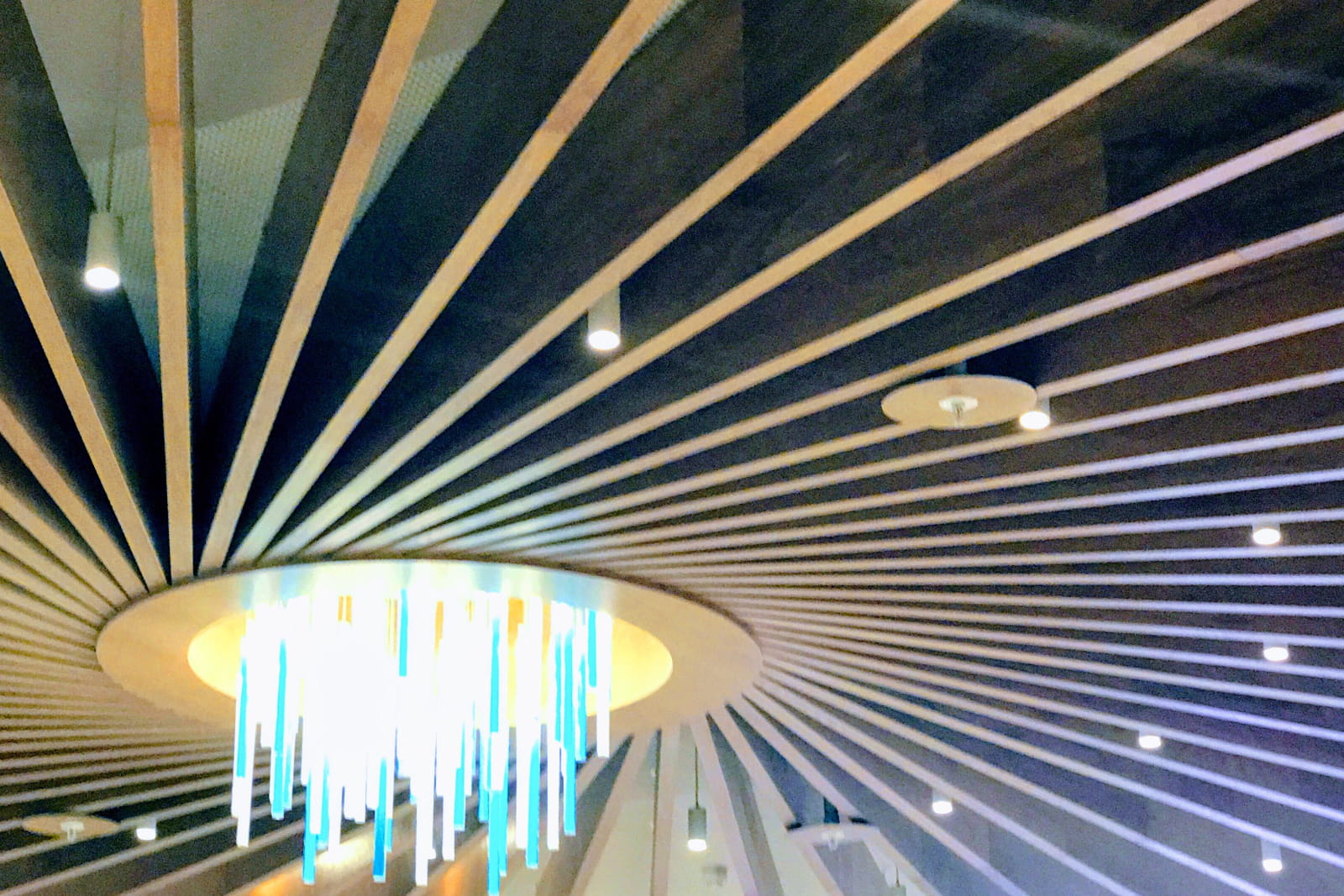
Acoustic design does not need to look technical or hidden. Modern acoustic features can add texture, pattern, warmth and visual interest to an office. Panels, baffles, timber finishes, soft seating, curtains, rugs and acoustic furniture can all support sound control while strengthening the look and feel of the space.
Practical ways to make acoustics part of the design
- Use decorative acoustic panels as feature walls.
- Add textured ceiling elements to create rhythm and depth.
- Choose acoustic finishes that match the brand colour palette.
- Use soft seating to absorb sound in waiting and breakout areas.
- Integrate acoustic materials into reception and client-facing spaces.
- Select wall treatments that support both sound control and visual identity.
- Treat acoustic elements as part of the design concept, not as an afterthought.
This is especially important for businesses comparing interior design companies in Cape Town. A strong design partner should be able to bring acoustic performance and visual design together. The result is a workplace that looks professional, reflects the brand and feels comfortable to use every day.
Which Companies Offer Office Interior Design Services Near Me?
Businesses searching for office interior design services near them often need more than a decorator or furniture supplier. A proper office project can involve consultation, space planning, design development, budgeting, procurement, construction, furniture, joinery and project management. That is why a turnkey service is valuable. It gives businesses one coordinated process instead of several disconnected suppliers.
Turnkey Interiors offers full design, fit-out and refurbishment services for corporate and commercial workspaces. The company works with clients to create spaces that reflect brand identity, improve productivity, support employee wellbeing and make better use of available square metres. Its services include corporate interior design, commercial interior design, company interior design, business furniture solutions, building modification, furniture and joinery, implementation and project management.
This kind of integrated service is useful because office design decisions affect one another. A layout choice can influence acoustics. A furniture choice can influence collaboration. A ceiling choice can influence sound quality. With 25 years of industry experience, Turnkey Interiors brings together strategy, creative design and practical delivery to help businesses create workspaces that are future-ready, functional and aligned with their goals.
What to Look for When Choosing Interior Design Companies in Cape Town
When comparing interior design companies in Cape Town, businesses should look beyond surface-level style. A strong office design partner should understand how people work, how departments interact and how the space needs to support focus, privacy, collaboration and brand experience. This is important because office design has a measurable effect on daily productivity. Even small acoustic distractions can add up across teams, meetings and focused work sessions.
It also helps to ask how the design company approaches evidence-led decisions. For example, acoustic performance can be assessed through measures such as reverberation time, background noise levels and speech clarity. In practical terms, this means a design team should be able to explain why a ceiling treatment, layout change, partition, furniture choice or meeting room position will improve the way the office functions.
A good partner should also offer a clear process. Turnkey Interiors follows a structured approach that includes consultation, design conceptualisation, customised space planning, transparent costing, procurement, installation and project management. This gives clients more clarity before work begins and reduces the risk of design decisions becoming expensive changes later in the project.
How to Start Improving Office Acoustics
The best place to start is with an honest assessment of the current office. Walk through the space at different times of day and note where noise builds up, where echo is obvious and where people struggle to concentrate. Pay attention to meeting rooms, open-plan desks, reception areas, call zones, kitchens and shared breakout spaces. These areas often reveal whether the main issue is reflection, transmission, poor zoning or lack of absorption.
The next step is to match the solution to the problem. If a room is echoey, it may need more absorption on walls, ceilings or floors. If conversations travel too far, the layout may need better zoning, screens or enclosed spaces. If noise leaks between rooms, sealing, doors, partitions and construction details may need attention. A combination of small improvements often works better than one isolated fix.
It is also worth planning acoustics early in any refurbishment or fit-out. Retrofitting acoustic treatments can help, but it is usually more effective when sound is considered alongside layout, lighting, furniture, materials and workflow from the start. This allows the final workspace to feel more natural, more comfortable and more complete.
Improving Modern Office Interiors
Architectural acoustics improve modern office interior design by helping people focus, communicate, collaborate and feel comfortable at work. For businesses comparing interior design companies in Cape Town, acoustics should be part of the conversation from the beginning, not something added later when the office becomes too noisy.
A great workplace should look good, sound good and support the people using it every day. When sound is managed well, offices become calmer, clearer and more effective, without losing their style or brand personality.
At Turnkey Interiors, we understand that successful office design is about more than appearance. We help businesses create practical, brand-aligned and future-ready workspaces through design, fit-out, refurbishment, furniture, joinery and project management.
If your office needs to work harder for your people and your business, we would love to help. Get in touch with us to discuss your workspace goals and find out how we can help transform your office into a more productive, comfortable and professional environment.


Leave a Reply