

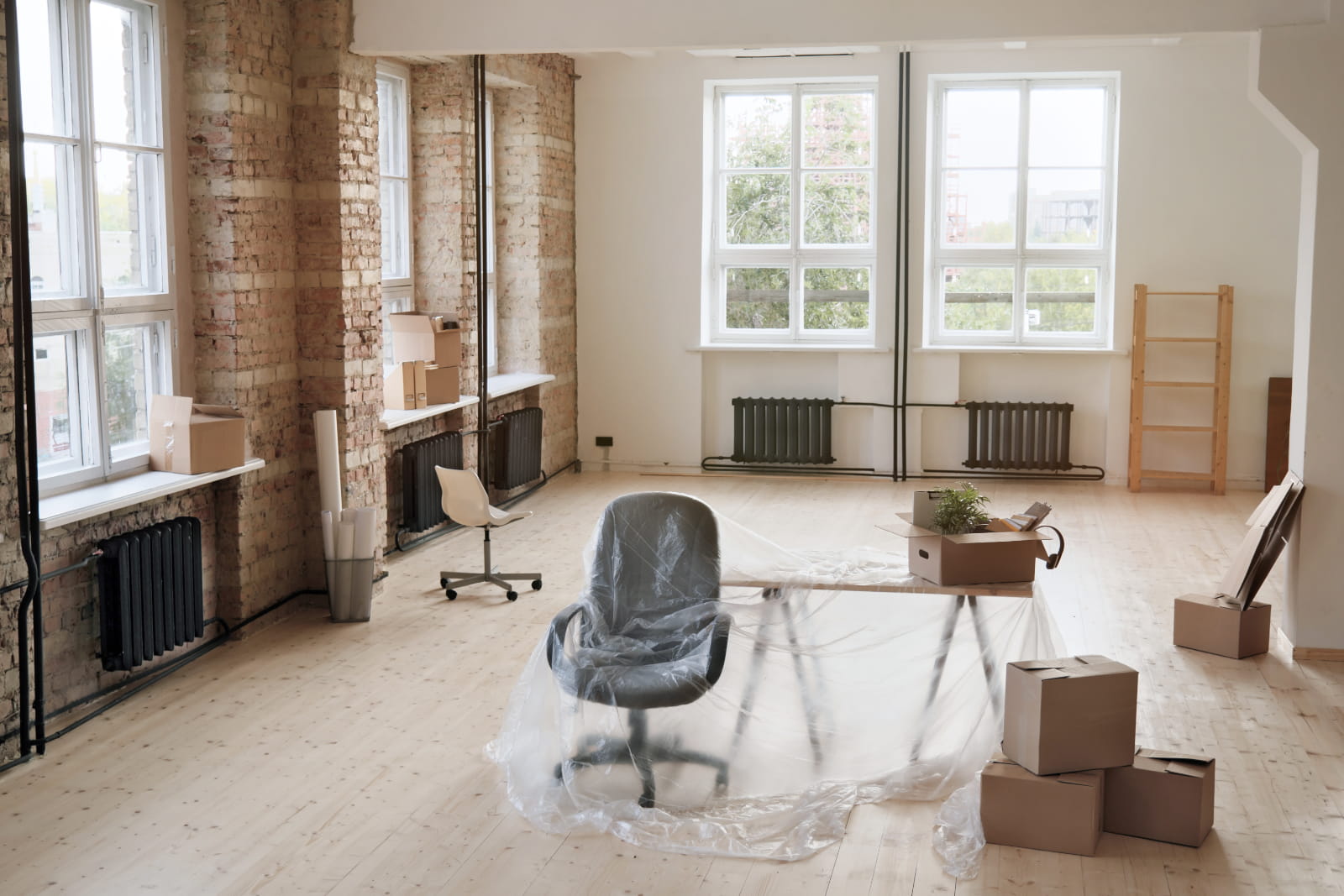
Cape Town Office Renovation: From Cost Centre to Culture Driver
Office renovation is often seen as a necessary cost, something a business has to deal with when the space becomes tired, inefficient, or no longer fit for purpose. Yet the right interior design firms in Cape Town understand that an office renovation can do far more than refresh walls, desks, meeting rooms, and finishes. It can change how people work, how teams interact, and how clients experience the business.
A well-planned office renovation should connect space, culture, function, budget, and long-term business goals. When design, construction, furniture, procurement, project management, and building upgrades work together, the office becomes more than a place to work. It becomes a tool for productivity, engagement, collaboration, and growth.
Why Office Renovation Should Start With Strategy
Too many office renovations begin with surface-level decisions. A business may start by choosing colours, furniture, flooring, or finishes before fully understanding what the space needs to achieve. These details matter, but they should come after the strategy. The first step should be to define the purpose of the renovation.
That means asking practical questions. Does the office need to improve collaboration? Does it need more quiet areas? Should it support hybrid work better? Is the reception area giving the right impression? Are meeting rooms being used properly? Is the layout helping or slowing down the team? These questions turn renovation from a cosmetic exercise into a business decision.
Once the goals are clear, every design and construction choice has a purpose. The budget can be allocated more wisely, the project team can work from a shared brief, and the finished space is more likely to support real operational needs. This reduces the risk of expensive changes later and helps the renovation deliver value beyond appearance.
How Interior Design Firms In Cape Town Add Value To Office Renovation
Professional office renovation is not only about making a workplace look better. It is about creating a space that functions well, reflects the company’s identity, supports staff, and makes better use of the available footprint. This is where interior design firms in Cape Town can add serious value, especially when they are involved from the start of the project.
A skilled design team can translate business goals into practical spatial decisions. They consider layout, flow, lighting, materials, furniture, storage, acoustics, meeting areas, and client-facing spaces as part of one connected plan. This prevents the office from feeling like a collection of separate decisions and helps create a more cohesive, useful, and future-ready workplace.
Key ways interior design firms support office renovation include:
- Clarifying the brief: Turning business goals, staff needs, and operational challenges into a clear design direction.
- Improving space planning: Making sure departments, meeting rooms, focus areas, and shared spaces are positioned logically.
- Creating better flow: Reducing bottlenecks, awkward movement, and wasted space.
- Balancing aesthetics and function: Ensuring the office looks professional while still working well every day.
- Planning materials and finishes: Selecting durable options that suit the brand, budget, and level of daily use.
- Supporting furniture decisions: Choosing furniture that improves comfort, efficiency, flexibility, and visual consistency.
- Coordinating with construction teams: Helping ensure the design intent is understood and delivered correctly.
- Reducing costly rework: Making key decisions early so changes are not made once work is already underway.
The real value lies in joined-up thinking. Office renovation involves many moving parts, from drawings and costing to procurement, site work, furniture, compliance, and final installation. When the design team understands how all these parts affect one another, the process becomes more controlled and the outcome becomes more intentional.
This also helps businesses make better decisions under pressure. Instead of choosing finishes or layouts in isolation, every choice can be tested against the original strategy. If a decision does not support productivity, culture, usability, budget, or long-term performance, it can be reconsidered before it becomes a costly mistake.
Office Renovation Is About Function Before Finishes
A beautiful office will not succeed if it is uncomfortable, noisy, cramped, or difficult to work in. Function must come before the finishes. Before choosing colours, materials, or furniture styles, a business should understand how people use the space throughout the day. This includes how they arrive, where they work, where they meet, where they focus, and where they connect informally.
Good office renovation looks closely at daily behaviour. For example, if people constantly book large boardrooms for two-person meetings, the office may need smaller meeting rooms or call booths. If teams avoid certain areas, the layout, lighting, noise levels, or furniture may be part of the problem. If storage is poor, clutter can affect both productivity and perception.
When function is solved first, the finishes have a stronger foundation. Flooring, lighting, furniture, joinery, colour, and decorative details then support the way the office works. The result is a workplace that looks good because it works well, not one that only looks impressive on the day it is handed over.
Budgeting For Office Renovation Without Losing Control
Budget control starts long before construction begins. A realistic office renovation budget should include design, construction, materials, furniture, joinery, compliance, procurement, installation, professional fees, and a contingency for unexpected costs. Without this full picture, the project can quickly become more expensive than planned.
The biggest budget problems often happen when decisions are delayed. If layouts are not finalised early, electrical points may need to move. If furniture is chosen too late, delivery delays can affect handover. If materials are selected without checking cost and availability, the project may need substitutions that compromise the design. Good planning helps prevent these issues.
Businesses should also separate must-haves from nice-to-haves. Essential items may include health and safety requirements, functional layout changes, durable flooring, proper lighting, ergonomic furniture, and storage. Decorative upgrades can then be prioritised according to available budget. This makes the spend more strategic and helps the renovation support business performance rather than simply absorb money.
Which Service Providers Handle Office Renovation And Interior Design?
Office renovation usually requires a mix of design, construction, project management, procurement, furniture, joinery, and compliance expertise. Some businesses try to manage these services separately, but that can create gaps in communication, accountability, timing, and cost control. Full-services interior design firms in Cape Town bring these services together under one coordinated process.
At Turnkey Interiors, we handle office renovation and interior design through a complete commercial interiors offering. We support clients from early space planning and design conceptualisation through to costing, procurement, construction, furniture, joinery, building modification, implementation, project management, commissioning, and handover.
Our services and expertise include:
- Office construction: New builds, fit-outs, refurbishments, construction execution, commissioning, and handover.
- Cost and procurement: Budget estimates, design fee breakdowns, detailed Bills of Quantities, procurement planning, and cost transparency.
- Project management: Programme planning, site reporting, health and safety management, team coordination, and on-site quality monitoring.
- Custom joinery: Bespoke manufactured elements such as boardroom tables, reception counters, desks, storage units, kitchens, and shopfitted items.
- Business furniture solutions: Office furniture, soft seating, tables, accessories, ergonomic solutions, procurement, and installation.
- Building modification: Façade upgrades, lobby and common area upgrades, white boxing, building modernisation, and asbestos inspection and removal project management.
- Main contractor capability: Site control, supplier coordination, subcontractor management, and single-point accountability.
- Quality and compliance: Health and safety, sustainability, warranties, guarantees, regulatory awareness, and professional delivery standards.
Because we often act as the main contractor, we can take responsibility for the site and reduce the risk of split responsibilities. This makes the process easier for clients, especially when the project involves several workstreams such as design, construction, furniture, joinery, building upgrades, and procurement.
Our approach is designed to give businesses clarity and confidence. Instead of trying to coordinate multiple suppliers while still running daily operations, clients can work with one experienced team. This helps keep the project aligned, practical, efficient, and focused on the final business outcome.
Key Trends Shaping Office Renovation In Cape Town
Office renovation is changing because the role of the workplace has changed. The office is no longer just a place where people sit at desks. It needs to support collaboration, focus, culture, wellbeing, flexibility, and brand experience. This means businesses are paying closer attention to how the office feels and performs.
The most effective trends are not about copying what looks fashionable. They are about making the workplace more useful, adaptable, and people-centred. The best renovations use trends carefully, choosing ideas that suit the business, the building, the team, and the budget.
Important office renovation trends include:
- Flexible layouts: Spaces that can adapt as teams grow, shrink, or change how they work.
- Multi-functional areas: Rooms and zones that can support meetings, training, quiet work, events, or informal collaboration.
- Better natural light: Layouts, glass, mirrors, and lighter finishes that make spaces feel brighter and more energising.
- Sustainable choices: Durable materials, efficient lighting, better insulation, and responsible procurement where possible.
- Biophilic design: Plants, natural textures, organic materials, and earthy tones that make offices feel calmer and more human.
- Smart space use: Built-in storage, custom joinery, compact furniture, and layout planning that reduces wasted space.
- Employee wellbeing: Ergonomic furniture, acoustic comfort, breakout areas, quiet zones, and better air, light, and movement.
- Brand-led interiors: Workspaces that reflect the company’s culture, values, and professional identity without feeling forced.
Cape Town businesses should also think about long-term adaptability. A renovation should not only solve current problems. It should allow for future changes in team size, technology, client needs, and working patterns. This is why future-ready design, flexible furniture, and practical building modifications are becoming more important.
The strongest trend is the move from decorative renovation to strategic renovation. Businesses want offices that look good, but they also want spaces that work harder. A modern office should help people do their best work, make clients feel confident, and support the culture the company is trying to build.
Common Office Renovation Mistakes To Avoid
One of the most common mistakes is rushing into construction before the design is properly resolved. This often leads to unclear instructions, inconsistent finishes, layout problems, procurement delays, and expensive changes once work has already started. A renovation should not begin with guesswork. It should begin with a clear brief, agreed concept, realistic budget, and detailed programme.
Another mistake is treating furniture, lighting, storage, and finishes as separate decisions. These elements are deeply connected. Furniture affects layout, lighting affects productivity, storage affects clutter, and finishes affect maintenance. When they are selected in isolation, the office can feel disjointed and may not perform as well as expected.
Businesses should also avoid renovating only for today. A layout that works now may become restrictive if the company grows or changes. Investing in adaptable spaces, durable materials, flexible furniture, and proper planning can extend the life of the renovation and reduce the need for major changes too soon.
Make Your Office Work Harder For Your Business
A Cape Town office renovation should be more than an unavoidable expense. With proper planning and guidance from experienced interior design firms in Cape Town, it can become a valuable business tool. It can improve productivity, support culture, create a better client impression, strengthen staff wellbeing, and help the workplace reflect where the company is going.
At Turnkey Interiors, we help businesses turn offices into practical, attractive, and future-ready workspaces. We bring together design, construction, costing, procurement, furniture, joinery, building modification, and project management so that every part of the renovation works towards one clear outcome. Get in touch with us to discuss your Cape Town office renovation. We would be happy to help you transform your workspace from a cost centre into a culture driver.
FAQs About Office Renovation
What do interior design firms in Cape Town do during an office renovation?
Interior design firms in Cape Town help businesses plan and deliver office renovations that improve how the workspace looks, feels, and functions. Their role can include space planning, layout design, material selection, furniture planning, lighting design, costing input, procurement support, contractor coordination, and final installation guidance.
For office projects, the goal is not only to create a more attractive workplace. A strong interior design firm will also consider productivity, staff wellbeing, movement through the space, meeting room usage, storage, acoustics, brand identity, client experience, and future growth.
How do I choose the right interior design firm in Cape Town for an office renovation?
Start by looking for a firm with proven commercial interiors experience, not only general design experience. Office renovation requires an understanding of workplace flow, health and safety, procurement, construction timelines, furniture, compliance, project management, and how teams use space every day.
It is also worth choosing a provider that can manage more than the design concept. A turnkey partner can help with costing, construction, furniture, joinery, procurement, site coordination, and handover, which reduces the risk of miscommunication between separate suppliers.
How much does an office renovation cost in Cape Town?
The cost of an office renovation in Cape Town depends on the size of the space, the condition of the existing building, the level of construction required, the quality of finishes, furniture needs, custom joinery, compliance requirements, and project timeline. A light refresh will cost far less than a full fit-out, refurbishment, or building modification project.
To control costs, businesses should start with a clear brief, a realistic budget, detailed scope of work, and transparent costing. It is also sensible to allow a contingency for unexpected site conditions or changes during the project.
How long does an office renovation usually take?
The timeline depends on the complexity of the project. A smaller office refresh may be completed relatively quickly, while a larger renovation involving space planning, construction, procurement, custom furniture, joinery, building upgrades, and final installation will need a longer programme.
The most efficient projects are planned carefully before work begins. Finalising layouts, materials, furniture, procurement schedules, and contractor responsibilities early helps reduce delays once the site work starts.
Can office renovation improve productivity and company culture?
Yes. A well-designed office renovation can improve productivity and culture by creating spaces that support the way people actually work. Better layouts can improve movement and collaboration, quiet zones can support focus, and well-planned meeting areas can make teamwork easier.
Office renovation can also strengthen company culture by creating a workplace that reflects the brand, values, and expectations of the team. When the office feels practical, professional, comfortable, and aligned with the business, it becomes more than a cost. It becomes a culture driver.


Leave a Reply