

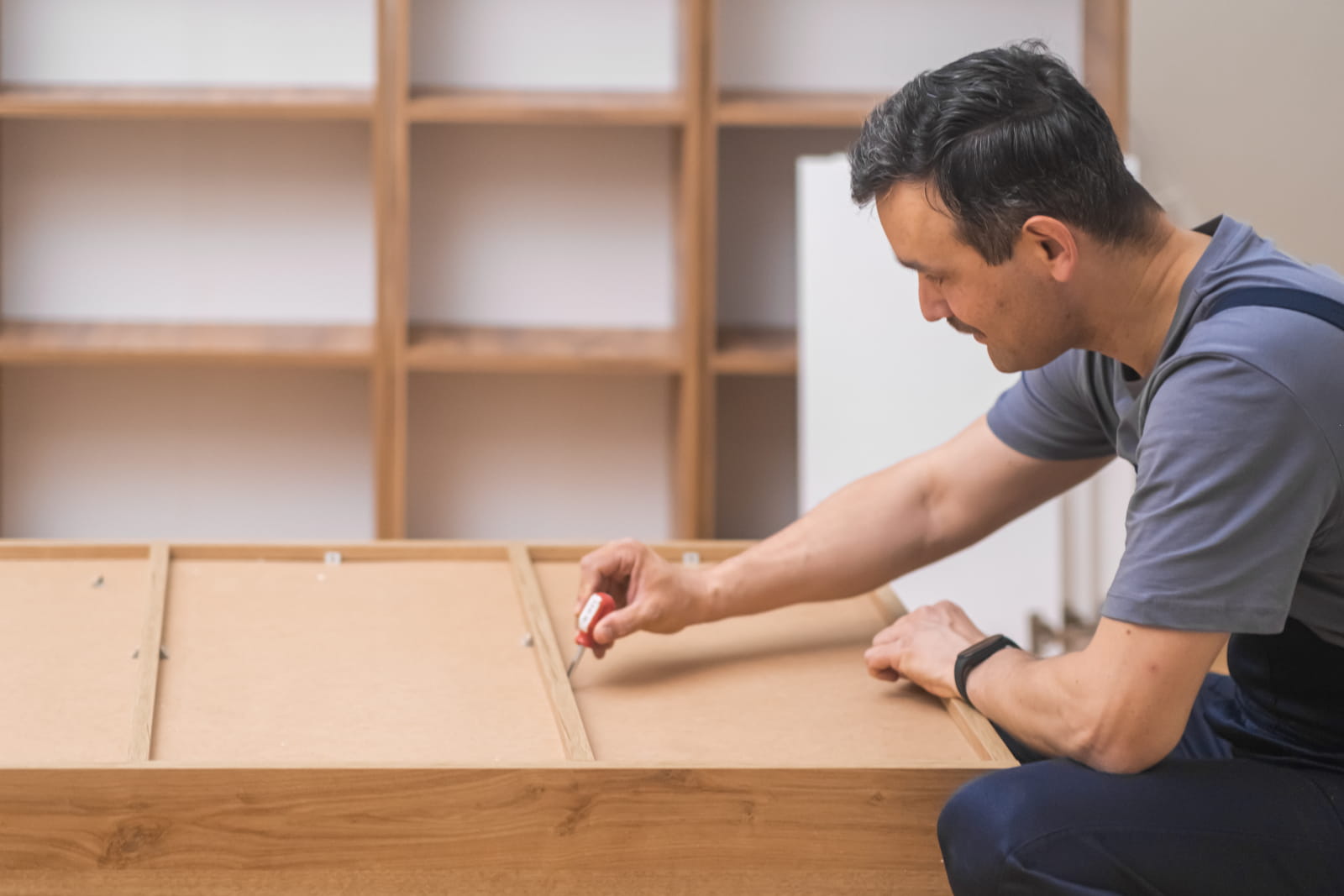
Choosing Office Furniture For Productivity, Comfort And Longevity
Choosing the right office furniture for productivity can have a much bigger impact on a workplace than simply improving how it looks. Desks, chairs, storage and shared furniture affect comfort, movement, concentration and how easily people complete everyday tasks. They also influence how efficiently businesses use expensive office space and how easily that space can adapt as working patterns change.
The key is to choose furniture around people and the work they actually do. Ergonomics, durability, layout, storage, technology, materials and future flexibility all deserve consideration. There is good reason to take these factors seriously. In Great Britain alone, 511,000 workers were suffering from work-related musculoskeletal disorders in 2024/25, while work-related illness and workplace injuries contributed to 40.1 million lost working days. Thoughtful workplace decisions will not solve every health or productivity issue, but they can create a much better environment in which people can work.
Start With How People Actually Work
Before looking at finishes or furniture catalogues, understand what happens in the office. A finance team working with several screens has different requirements from a team that spends much of the day brainstorming together. Reception areas, private offices, meeting rooms and shared workstations all need furniture suited to the activities taking place there.
Working patterns should also shape the plan. Hybrid working is now a significant part of modern office life. Between January and March 2025, 28% of working adults in Great Britain worked on a hybrid basis. This makes it increasingly important to understand how many permanent desks are genuinely required and where more flexible furniture could offer better value.
Consider:
- How many employees use the office on a typical day.
- Which teams need to sit close together.
- Whether employees need permanent or shared workstations.
- How much focused and collaborative work takes place.
- What equipment each role requires.
- How many meetings happen in person.
- Where employees need storage.
- How headcount or working patterns may change.
Furniture choices should follow these answers. If employees regularly collaborate, shared tables and flexible project spaces may be valuable. If most work requires intense concentration, comfortable individual workstations and quieter areas should take priority. The aim is to fit furniture around work, rather than forcing work around furniture.
It is also worth observing the current office before replacing anything. Empty desks, overcrowded meeting rooms, cluttered walkways or unused breakout areas can reveal where the real problems lie. These observations provide a stronger basis for investment than assumptions about what a modern office is supposed to look like.
Choose Office Furniture for Productivity Through Better Ergonomics
Ergonomics should be central when selecting office furniture for productivity. A chair used for several hours a day needs to support the person sitting in it, while desks need suitable space for screens, keyboards and other equipment. Adjustable seating, lumbar support, sufficient legroom and sensible workstation heights can help employees find more comfortable working positions.
The scale of the issue is worth considering. Official UK data recorded 511,000 workers suffering from work-related musculoskeletal disorders in 2024/25. Separate 2024 health data found that 17.9% of adults in England reported a long-term musculoskeletal condition. Furniture is only one of many contributing factors, but uncomfortable or static working positions can make physical strain harder to manage.
Movement matters too. Research reviewing 53 studies of sit-stand desks found particularly promising effects on changing sitting behaviour and reducing discomfort, although evidence of direct productivity improvements was much weaker. That distinction is useful. A sit-stand desk should not be sold as a magic productivity solution. Its practical value is that it gives employees another way to vary posture and avoid remaining in one position throughout the day.
Plan the Space Before Buying the Furniture
Good furniture can still perform badly in a poor layout. Measure the space, understand movement routes and identify where people naturally gather before deciding how many desks or chairs will fit. Space planning should consider circulation, accessibility, storage, departmental relationships and the different activities taking place throughout the day.
Hybrid work makes this especially important. With 28% of working adults in Great Britain hybrid working in early 2025, traditional one-person-one-desk assumptions will not suit every organisation. Some businesses may benefit from fewer permanent workstations and more shared, meeting or collaborative settings, although actual employee attendance should always guide the decision.
Avoid measuring success by how many desks fit into the floor plan. Efficient space is space that gets used effectively. A slightly lower desk density may provide better circulation, quieter working conditions and more useful collaborative areas. Analyse how frequently different spaces are occupied, then match the furniture mix to real demand.
Create Different Settings for Different Tasks
People rarely perform one type of work all day. A typical employee may move between focused individual work, video calls, team discussions, meetings and informal conversations. Providing different environments gives employees the option of choosing a setting that suits the task instead of asking one workstation to do everything.
There is evidence that this matters for concentration. A study of 1,078 workers in shared and open-plan offices found that irrelevant speech was associated with greater noise annoyance and reported reductions in performance, with 69% of workers in shared offices and 66% in open-plan offices reporting loss of concentration as a consequence.
A varied workplace might include:
- Ergonomic individual workstations for everyday tasks.
- Quiet areas for concentrated work.
- Meeting rooms for formal discussions.
- Flexible project tables for teamwork.
- Informal seating for quick conversations.
- Private areas for calls.
- Breakout spaces for rest and social interaction.
- Shared workstations for hybrid employees.
The idea is not to create unnecessary rooms or fill the office with different furniture styles. Each setting should solve a genuine workplace requirement. A quiet area, for example, needs more than a different chair. Its location, acoustics and surrounding traffic must also support concentration.
Flexible spaces can perform several roles when floor area is limited. Lightweight tables, movable seating and modular furniture can allow one area to support meetings in the morning and project work later in the day. This makes the workplace more adaptable without demanding more space.
Think About Comfort Beyond the Desk and Chair
A comfortable workstation sits within a wider environment. Noise, lighting, temperature, natural light and circulation can affect the experience just as much as furniture. Positioning an excellent ergonomic chair in a noisy walkway is unlikely to produce an ideal place for concentrated work.
Research involving 1,078 shared and open-plan office workers found clear differences in perceived noise annoyance and performance where irrelevant speech was present. Furniture placement can help manage this by keeping collaborative areas away from quiet work zones and using cabinets, screens or other elements to create sensible boundaries.
Natural light deserves attention as well. One workplace study comparing employees with and without significant window exposure found that those receiving more workplace daylight tended to report better sleep and quality-of-life outcomes. When planning furniture, think about where workstations sit in relation to windows, glare, artificial lighting and noise instead of planning each element separately.
Choose Materials That Can Handle Daily Use
Materials have a major influence on how long furniture lasts. A surface in a heavily used shared workspace must cope with a different level of wear from a table in an occasional meeting room. Consider scratching, moisture, cleaning requirements, movement and general daily handling before selecting finishes.
Longevity also has an environmental benefit. Available waste data shows just how significant furniture disposal can become. In 2018, 12.1 million US tons of furniture and furnishings entered the municipal waste stream, representing 4.1% of total municipal solid waste. Around 80.1% was landfilled.
When comparing materials, look at:
- Expected daily usage.
- Resistance to scratches and stains.
- Ease of cleaning.
- Structural strength.
- Repairability.
- Suitability for the surrounding environment.
- Expected lifespan.
- Responsible sourcing and end-of-life options.
A premium natural finish may make sense in a client-facing space, while a highly durable commercial surface may work better at a busy shared desk. Material choices should reflect both practical demands and the desired appearance of the office.
Think beyond what looks good when new. Ask how the surface is likely to look after several years of regular use. Furniture that continues to perform and present well for longer can reduce replacement costs, disruption and unnecessary waste.
Look Beyond the Upfront Price
Buying solely according to price can create false savings. Furniture that needs replacing after a short period may ultimately cost more than a better-made option with a higher initial purchase price. Compare expected lifespan, warranties, maintenance requirements, repairability and construction quality alongside cost.
Waste figures illustrate why longevity matters. Furniture and furnishings accounted for around 12.1 million US tons of municipal waste in 2018, compared with 2.2 million tons in 1960. While these figures cover more than office furniture, they demonstrate the wider consequences of replacing large furniture items instead of extending their useful lives.
Think in terms of cost per year rather than cost on purchase day. A desk that costs more but lasts significantly longer may offer better value. The same applies to seating. A chair that retains its support, can be adjusted for different users and has replaceable components may prove far more economical over its lifetime.
Make Storage and Technology Part of the Plan
Storage requirements have changed as offices have become more flexible. With 28% of Great Britain’s working adults hybrid working in early 2025, some workplaces no longer need a pedestal or cabinet beside every permanent desk. Shared lockers, central storage and carefully positioned cabinets may make better use of floor space.
Technology should be considered before desks are installed. Employees need practical access to power, screens and charging without cables covering work surfaces or creating hazards below them. Think about what equipment each workstation needs and how cables will travel through or around the furniture.
Storage can also help shape the office. Cabinets and shelving can separate teams or create boundaries between work settings without requiring permanent walls. The result can be a cleaner, more organised workplace in which storage performs more than one function.
Use Flexible Furniture to Plan for Change
Today’s workplace may not suit the organisation in three years. Hybrid working provides a clear example of how quickly behaviour can shift. By early 2025, 28% of working adults in Great Britain were hybrid workers, and that share had gradually increased since 2022.
Flexible furniture reduces the need to start again whenever circumstances change. Modular desks, movable tables and reconfigurable meeting furniture can help accommodate growing teams, departmental moves or changing attendance patterns. The goal is not constant rearrangement, but the ability to adapt when necessary.
Plan around likely future scenarios. Ask what happens if headcount increases, fewer employees need permanent desks or a department moves to another part of the building. Furniture that can respond to several possibilities may deliver greater longevity than highly fixed solutions.
Let Furniture Support the Brand Without Sacrificing Function
The office communicates what an organisation values. Colour, materials, furniture styles and layout can create a sense of professionalism, creativity, warmth or energy. However, visual identity needs to work alongside practical performance.
Workplace experience matters because people remain one of an organisation’s most important resources. Global research has repeatedly linked stronger employee engagement with better performance outcomes, including productivity, profitability and absenteeism. Furniture cannot create engagement by itself, but the physical workplace is one of the everyday environments employees interact with.
Use brand expression selectively. Reception areas, meeting spaces and collaborative zones may offer strong opportunities for distinctive materials and finishes, while task workstations should prioritise comfort and functionality. A good workplace does not ask employees to sacrifice usability for appearance.
Consider Custom Furniture Where Standard Options Fall Short
Standard furniture is often the quickest and most practical answer, but it cannot solve every space-planning challenge. Unusual dimensions, specialist equipment or awkward areas may require bespoke desks, cabinets, counters or joinery to use the available space effectively.
Custom furniture can be particularly useful when floor space is valuable. Hybrid work has already changed how many businesses use their offices, with 28% of working adults in Great Britain working on a hybrid basis in early 2025. Using every square metre intelligently can therefore matter more than simply filling the office with standard workstations.
Custom solutions can help with:
- Awkward corners and unusual room dimensions.
- Integrated storage.
- Specialist equipment.
- Reception counters.
- Shared work surfaces.
- Built-in cabinetry.
- Brand-specific materials and finishes.
- Space-saving workplace solutions.
The strongest bespoke pieces solve a practical problem. Customisation should make the workspace more useful, not simply make furniture more complicated. Start with the operational requirement and develop the design around it.
It is also important to think about future use. Highly specialised furniture may become difficult to reuse if the organisation changes. Where possible, combine bespoke fit with enough flexibility to keep the furniture useful for years.
Test Important Furniture Before Making a Large Commitment
Furniture specifications can tell plenty, but they cannot fully explain how a chair feels after several hours. Testing high-use products is especially worthwhile where large quantities are being purchased. Employees can provide useful feedback about support, adjustability and everyday practicality.
This becomes more important in the context of workplace health. Great Britain recorded 511,000 workers suffering from work-related musculoskeletal disorders in 2024/25. Ergonomic furniture cannot prevent every problem, but testing helps avoid investing heavily in products that employees struggle to adjust or use comfortably.
Run a small trial when possible. Let people with different heights and roles use the furniture, then ask specific questions about adjustment, comfort, desk space and usability. Practical feedback before a large order is much cheaper than discovering problems after the entire office has been furnished.
Think About Sustainability Over the Furniture’s Full Life
Sustainability is not simply about buying something labelled recycled. Durability, repairability, reuse and eventual disposal all matter. Furniture that stays useful through several workplace changes may have greater long-term value than products that need regular replacement.
The scale of furniture waste provides useful context. In 2018, approximately 12.1 million US tons of furniture and furnishings entered municipal waste streams, with about 9.68 million tons going to landfill. Those figures make longevity and reuse important considerations when planning large furniture purchases.
Look for furniture that can remain relevant as the office evolves. Replaceable parts, robust finishes, modular designs and adaptable configurations can extend useful life. Sustainability and financial value often point in the same direction: buy carefully, maintain properly and avoid replacing furniture unnecessarily.
Why Should You Partner With Turnkey Interiors?
At Turnkey Interiors, we believe office furniture should form part of a complete workplace strategy. We consider how people work, how teams interact, how space is being used and where a business may need to adapt in the future before developing the final solution.
This integrated approach is particularly relevant as office patterns become more complex. With hybrid working now accounting for 28% of working adults in Great Britain in early 2025, workplace planning increasingly needs to balance occupancy, flexibility and different types of work rather than relying on a traditional fixed-desk model.
We can support clients with:
- Workplace and space planning.
- Commercial and corporate interior design.
- Furniture planning and specification.
- Custom business furniture.
- Bespoke joinery.
- 3D visualisation and design development.
- Budget planning and costing.
- Procurement and implementation.
- Construction and fit-out.
- Project management through to handover.
By bringing these services together, we can look beyond individual products and consider how every part of the workplace fits together. Furniture can then be chosen according to employee needs, workflow, brand identity, available space, budget and future growth.
We also develop custom furniture and joinery where standard products do not provide the right answer. This allows us to respond to unusual dimensions, specific storage requirements or distinctive design needs while keeping functionality and longevity at the centre of the decision.
Make Every Furniture Decision Work Harder
Choosing office furniture for productivity means looking beyond appearance and considering how each decision affects comfort, movement, concentration, space utilisation and future change. Evidence around musculoskeletal health, hybrid working, workplace noise and furniture waste reinforces the value of thoughtful planning. Furniture should work for the people using it today while remaining useful as the organisation evolves.
At Turnkey Interiors, we bring space planning, interior design, furniture, bespoke joinery and project delivery together to create workplaces that balance people and business needs. Get in touch with us to discuss how we can help create a comfortable, productive and long-lasting workplace designed around the way your organisation really works.
FAQs About Office Furniture for Productivity
How Does Office Furniture Affect Productivity?
Office furniture can support productivity by reducing unnecessary physical strain, making everyday tasks easier and helping employees move between different types of work. Start with adjustable chairs, suitable desk heights, enough working space and layouts that minimise avoidable distractions. Furniture should also match the task. Focused work needs supportive workstations, while collaboration may need shared tables or flexible seating. Storage and cable management can reduce clutter and improve usability. The aim is not to find one perfect furniture range, but to create a workspace where people can work comfortably, move easily and access what they need throughout the working day.
What Should I Look for When Choosing Ergonomic Office Furniture?
Look for adjustability rather than assuming one chair or desk will suit everyone. A good office chair should support the lower back, allow practical seat-height adjustment and help users position their feet and arms comfortably. Desks should provide enough space for screens, keyboards and daily equipment without forcing awkward reaching. Monitor positioning and legroom also matter. Ergonomics is best viewed as matching the workstation to the person and their tasks, rather than buying a product labelled ergonomic. Where several people share desks, adjustable furniture becomes even more valuable because each employee can set up the workstation to suit their body.
How Can Office Furniture Improve Workplace Well-Being?
Comfortable office furniture can contribute to employee well-being because people spend long periods interacting with their workstations. Poorly suited furniture may encourage awkward postures, unnecessary reaching or prolonged static positions, while adjustable furniture gives employees greater control over how they work. Well-being also depends on the surrounding environment, including lighting, noise, temperature, movement and access to suitable spaces for focused or collaborative tasks. Furniture should therefore form part of a wider workplace plan. Choosing supportive seating, practical desks and flexible settings can help create an environment that feels easier to use and better suited to everyday working needs more effectively.
How Do I Choose Office Furniture That Will Last?
Durability should be judged by how and where the furniture will be used. Shared desks, meeting tables, reception furniture and breakout seating may experience much heavier use than furniture in private offices. Check the quality of frames, joints, surfaces, upholstery and moving parts, and consider how easy each item is to clean, maintain or repair. Warranties can also provide useful information about expected performance. Instead of focusing only on the purchase price, consider the likely cost over the furniture's full working life. Well-made, repairable furniture that remains useful through layout changes can provide stronger long-term value and reduce unnecessary replacement.
How Should Office Furniture Be Arranged for Better Productivity?
A productive office usually needs more than one type of setting. Start by identifying where employees need concentrated individual work, collaboration, meetings, calls, storage and informal interaction. Place noisy collaborative areas away from spaces intended for concentration where possible, and keep walkways clear so furniture does not interrupt movement. Hybrid workplaces may also benefit from shared workstations, lockers and furniture that can be rearranged as attendance changes. Avoid measuring space efficiency simply by the number of desks that fit. A good layout uses available floor area to support real work patterns, movement, accessibility and different activities throughout the working day.
When Should I Consider Custom Office Furniture?
Custom office furniture is worth considering when standard products cannot use the available space effectively or meet a specific operational requirement. Bespoke desks, storage, reception counters and joinery can work around unusual dimensions, specialist equipment or workflows. Customisation can also help integrate furniture with a company's interior design and brand identity. However, bespoke furniture should solve a clear practical problem rather than add complexity without purpose. Consider whether the item can adapt if teams, technology or working patterns change. The strongest custom solutions combine efficient use of space, durability, comfort and visual consistency while remaining useful for many years long-term.


Leave a Reply