

Insights to Office Space Planning and Design for Businesses
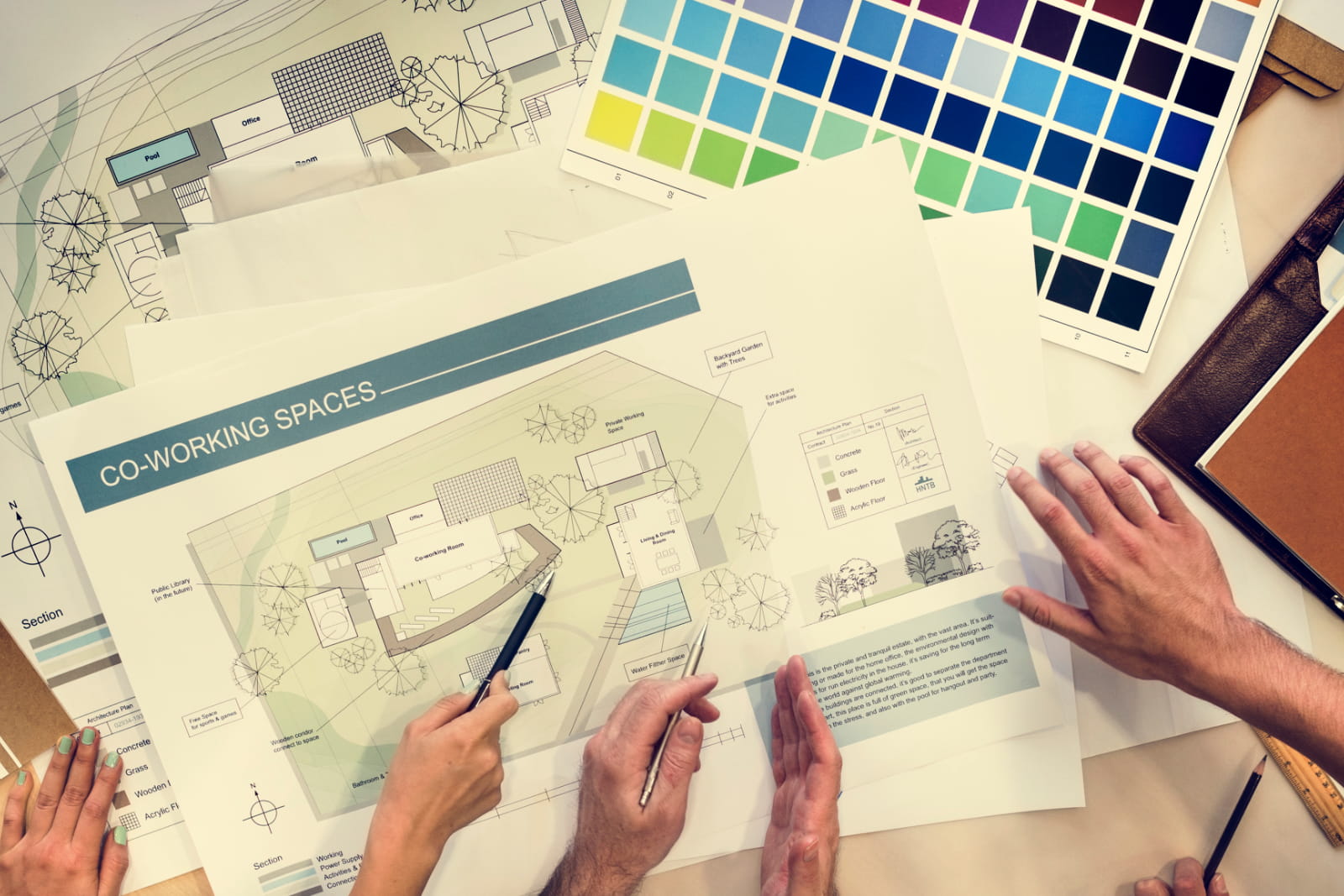
Space planning is one of the most practical ways for businesses to create offices that work better for their people, their budget, and their long-term goals. A well-designed workplace is not only about choosing attractive finishes or arranging desks neatly. It is about understanding how people work, how teams interact, where focus happens, and how every square metre can support daily business performance.
As workplace habits keep changing, space planning has become a key part of business strategy. Hybrid work, rising property costs, staff wellbeing, and the demand for flexible offices all mean companies need to think more carefully about their physical environment. The right office can support productivity, attract people back into the workplace, and create a stronger sense of culture and connection.
Why Space Planning Matters for Modern Businesses
Office design has moved far beyond simple desk placement. In the past, many workplaces were planned around fixed headcount, private offices, and standard meeting rooms. Today, businesses need spaces that support focused work, team sessions, private calls, client meetings, informal collaboration, and changing attendance patterns throughout the week.
Real-world workplace insights show why this matters. Research referenced in the supplied information suggests that office demand could fall by 13% to 20% by 2030, while around $800 billion in office real estate value could be affected. This makes efficient use of office space more important than ever. Businesses cannot afford to carry unused areas, poorly planned rooms, or layouts that no longer match how their teams work.
Good space planning also affects the employee experience. A badly planned office can create noise, crowding, wasted time, poor movement, and frustration. A better planned office helps staff find the right place for the right task, move easily between areas, and feel more comfortable during the working day. When the office supports people properly, it becomes a place they actually want to use.
Key Principles of Effective Office Space Planning
Effective space planning starts with understanding the business before drawing the layout. Different companies need different environments. A legal or financial firm may need privacy, acoustic separation, and formal meeting spaces, while a creative, tech, or sales-focused business may need more open collaboration areas and flexible team zones. The best office design reflects how the company works, not just what looks good on a floor plan.
A strong layout should also balance comfort with commercial value. This means thinking about employee wellbeing, future growth, furniture, workflow, technology, natural light, acoustics, storage, and accessibility. When all these pieces work together, the office becomes easier to use and more cost-effective to manage.
- Create clear zones for focused work, collaboration, meetings, calls, and informal work.
- Use ergonomic furniture to support comfort and reduce physical strain.
- Plan natural light, airflow, temperature, and acoustics carefully.
- Make sure walkways are clear, logical, and accessible.
- Match the layout to the company’s culture, brand, and working style.
- Include flexible areas that can change as teams grow or shift.
- Avoid wasted space by measuring how each area is actually used.
- Build in enough storage to keep the office organised.
- Plan meeting rooms around real usage, not assumptions.
- Consider inclusivity, privacy, and quiet areas from the start.
These principles help businesses avoid the common mistake of designing an office around furniture first and people second. A beautiful office can still fail if teams cannot focus, meeting rooms are always full, or shared spaces do not support real work. The goal is to create a workplace that feels natural to use.
Space planning should therefore be seen as a business decision. It can help reduce unnecessary real estate costs, improve staff satisfaction, and create a more adaptable office. When layout, furniture, infrastructure, and employee needs are planned together, the final result is far more likely to support long-term performance.
Space Planning for Hybrid and Flexible Work
Hybrid work has changed what businesses need from their offices. Some days may be quiet, while others may be full of meetings, collaboration, shared desk use, and team activity. This means a fixed one-desk-per-person model may no longer be the best use of space for many companies.
Workplace data referenced in the supplied material shows that 75% of companies now use unassigned seating for at least some employees. It also notes that collaboration areas have increased by 44% since 2021, while private offices have reduced by 19%. These figures point to a clear shift towards more shared, flexible, and team-focused office layouts.
For businesses, this means the office must offer more than a place to sit. It should provide touchdown desks, quiet rooms, meeting spaces, video call rooms, breakout areas, and social zones. A hybrid-ready workplace gives people a reason to come in because it supports the work they cannot always do as well from home.
Practical Steps for Better Office Design
A good office project should start with an honest review of the current space. This includes measuring the office, checking how rooms are used, reviewing staff movement, identifying underused areas, and gathering feedback from employees. People who use the office every day often know exactly where the problems are.
Once the existing issues are clear, businesses can begin shaping a better layout. This should take into account team size, future growth, hybrid patterns, meeting room demand, storage, lighting, technology, comfort, and budget. Planning these details early helps prevent costly changes during construction or fit-out.
- Audit the current layout and identify crowded, wasted, or awkward areas.
- Measure the space properly and review usable square metres.
- Gather employee feedback through surveys, workshops, or interviews.
- Study how departments interact and where collaboration happens.
- Review meeting room use and check whether rooms are the right size.
- Plan IT, power, lighting, aircon, and connectivity before finalising layouts.
- Choose furniture that supports comfort, flexibility, and durability.
- Use visual layouts or 3D concepts to test ideas before implementation.
- Phase the rollout if the office must stay operational during the project.
- Review the completed space and make improvements where needed.
The most successful projects are based on evidence rather than guesswork. If a company knows which areas are underused, which teams need privacy, and when the office is busiest, it can make much smarter design choices. This improves the final layout and helps control costs.
Implementation is just as important as planning. Even a strong design can become stressful if procurement, construction, supplier coordination, health and safety, and handover are not managed properly. A smooth process depends on clear planning, transparent costing, regular communication, and skilled project management.
Space Planning Trends Businesses Should Consider
Modern offices are becoming more flexible, more human-centred, and more focused on wellbeing. Businesses want spaces that look professional, but they also want offices that help people feel comfortable, productive, and connected. This is why workplace design now pays closer attention to light, air, acoustics, movement, and social interaction.
Many current office trends are practical rather than decorative. They help businesses make better use of space, support changing work habits, and create environments that can adapt over time. The most useful trends are the ones that solve real workplace problems.
- Hybrid-ready layouts with shared desks and flexible meeting areas.
- Touchdown spaces for short visits and mobile workers.
- Biophilic design, including plants, natural light, and natural textures.
- Wellness-focused areas that support comfort and mental wellbeing.
- Multi-purpose zones such as cafés, lounges, and breakout areas.
- Sustainable materials and energy-efficient design choices.
- Inclusive layouts with accessible routes and quiet rooms.
- Modular furniture that can be moved or reconfigured.
- Strong acoustic planning for privacy and focus.
- Brand-led design that reflects company culture and identity.
These trends show that the office is no longer a fixed environment. It is a living workplace that should change as teams, technology, and business goals change. The best spaces are designed to flex without needing a full redesign every time the company grows or working patterns shift.
For many businesses, the smartest approach is to combine practical upgrades with future-ready thinking. This may include improving natural light, reducing wasted areas, upgrading shared spaces, adding flexible furniture, or modernising older buildings. Small decisions can have a big impact when they are part of a clear workplace strategy.
Who Provides Office Space Planning and Design for Businesses?
Turnkey Interiors provides office space planning and design services for businesses that want practical, attractive, and future-ready workplaces. We help clients create offices that reflect their brand, culture, workflow, operational goals, and the needs of their people.
Our space planning approach includes tailored layouts, workplace strategy, occupancy planning, 3D visualisations, and continuous measurement. We focus on creating workplaces that are efficient, comfortable, scalable, and suited to the way teams actually work.
- We create tailored office layouts for different business needs.
- We help clients reduce wasted space and improve space utilisation.
- We use 3D visualisations to make proposed designs easier to understand.
- We support hybrid-friendly layouts and flexible working models.
- We align office design with brand identity, culture, and daily workflow.
- We provide office construction, fit-out, refurbishment, and project management.
- We offer bespoke furniture, joinery, and practical workplace solutions.
- We support building modernisation, including façade upgrades, lobbies, common areas, and white boxing.
- We assist landlords, building managers, and tenants with functional upgrades.
- We manage projects with transparent costing, procurement, quality control, and handover support.
Because we offer design, construction, furniture, joinery, building modernisation, and project management, we can support a project from concept to completion. This helps create a smoother process, stronger accountability, and a finished space that matches the original vision.
Our goal is to create workplaces that are not only visually appealing, but also useful, efficient, and ready for change. Whether a business is relocating, refurbishing, expanding, or modernising, we help turn the workspace into a stronger business asset.
A Practical Solution
Space planning gives businesses a clear and practical way to improve how their offices look, feel, and function. It supports better use of space, stronger collaboration, improved comfort, greater flexibility, and smarter long-term decision-making. A well-planned office can reduce waste, improve employee experience, and help the workplace adapt as business needs change.
At Turnkey Interiors, we help businesses create workplaces that support people, performance, and growth. Get in touch with us to discuss your space planning and office design needs, and let us help you transform your workspace into a place that works beautifully for your business.
FAQs About Space Planning
What Is Office Space Planning and Why Is It Important?
Office space planning is the process of designing and organising a workplace to maximise functionality, efficiency, and employee wellbeing. It involves analysing how people work, how teams interact, and how available space can best support business objectives. Effective space planning helps businesses reduce wasted space, improve collaboration, and create a more productive work environment. It also supports future growth by ensuring the office can adapt to changing needs. Rather than simply arranging furniture, space planning takes a strategic approach to workplace design, helping businesses improve performance, employee satisfaction, and the overall value of their office investment.
How Does Space Planning Improve Employee Productivity?
A well-planned office makes it easier for employees to perform their daily tasks efficiently. By creating dedicated areas for focused work, collaboration, meetings, and informal interactions, businesses can reduce distractions and support different working styles. Good space planning also considers factors such as lighting, acoustics, ergonomics, and workplace flow, all of which influence productivity. When employees have access to comfortable workstations and suitable environments for different activities, they can work more effectively. An organised office reduces frustration, improves communication, and helps create a positive workplace culture that encourages engagement and high performance.
When Should a Business Invest in Office Space Planning Services?
Businesses should consider office space planning whenever they are relocating, expanding, downsizing, refurbishing, or adapting to new ways of working. It is particularly valuable when employee numbers change, hybrid work policies are introduced, or existing offices no longer meet operational needs. Space planning can also help businesses make better use of their current premises before committing to additional space. Investing in professional planning early in a project can prevent costly mistakes, improve budget control, and ensure the office supports long-term business goals. Even small layout changes can significantly improve workplace efficiency and employee experience.
What Is Included in Professional Office Space Planning Services?
Professional office space planning services typically begin with an assessment of the existing workplace, including measurements, occupancy requirements, workflow analysis, and employee needs. Designers then develop layouts that improve functionality, collaboration, comfort, and space utilisation. Services often include workplace strategy, furniture planning, occupancy profiling, concept development, and 3D visualisations that allow businesses to understand the proposed design before implementation. Many providers also assist with project management, construction coordination, furniture procurement, and fit-outs. The goal is to create a workplace that aligns with business objectives while supporting employee wellbeing, operational efficiency, and future growth.
How Does Space Planning Support Hybrid Working Environments?
Hybrid working has changed the way offices are used, making flexibility a key consideration in workplace design. Space planning helps businesses create environments that support both in-office and remote employees by providing a mix of work settings. This may include hot desks, touchdown spaces, collaboration zones, quiet rooms, meeting areas, and video conferencing facilities. Instead of allocating a permanent desk to every employee, businesses can design offices around actual attendance patterns and workplace activities. This improves space utilisation while ensuring employees have access to the right environment for focused work, teamwork, and client interactions.
How Long Does an Office Space Planning Project Take?
The timeline for a space planning project depends on the size of the office, the complexity of the requirements, and the scope of the work involved. Smaller projects may take a few weeks to complete, while larger office redesigns or relocations can take several months. The process generally includes consultation, workplace analysis, concept development, design refinement, approvals, and implementation planning. If construction, refurbishment, or furniture installation is required, additional time may be needed. Working with an experienced office space planning provider helps keep the project on schedule and ensures the final workspace meets both immediate and long-term business needs.


Leave a Reply