

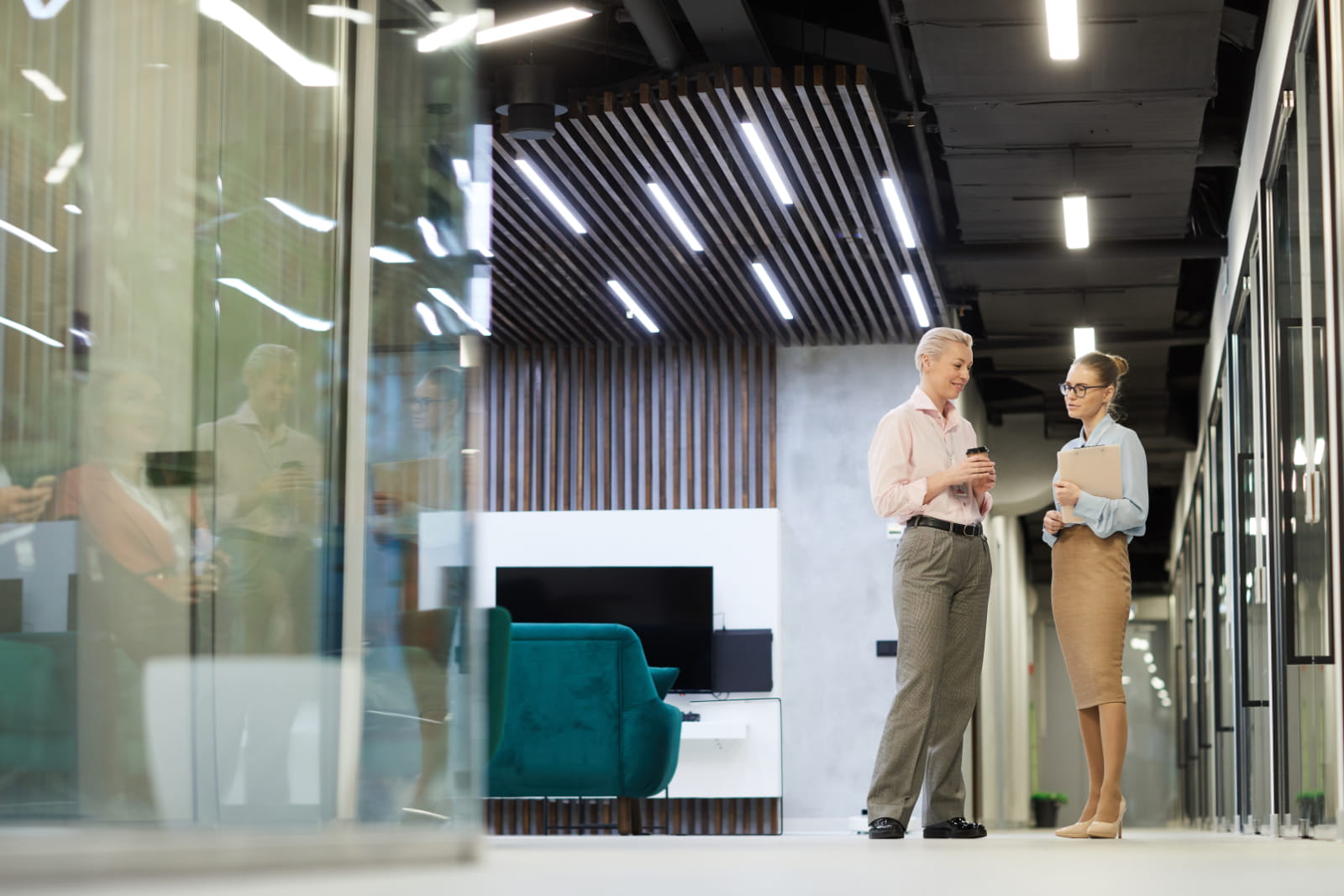
Finding Office Interior Design Firms That Include Lighting Solutions
Finding interior design firms that understand lighting is one of the smartest steps a business can take when planning a new office, refurbishment or fit-out. Lighting affects far more than visibility. It shapes mood, supports focus, reduces eye strain, improves comfort and helps a workplace feel polished, professional and practical.
The best office interiors do not treat lighting as a last-minute add-on. They bring it into the design process early, alongside space planning, furniture, finishes, branding, energy use and employee wellbeing. When these parts work together, the result is a workspace that looks good, works hard and supports people throughout the day.
Why Lighting Matters in Modern Office Design
Good lighting has become a key part of modern office design because it influences how people feel and perform at work. Bright, flat lighting can cause glare and visual fatigue, while poorly lit areas can make tasks harder and reduce energy levels. A better approach is to use layered lighting, where general lighting, task lighting, feature lighting and natural light all work together.
Lighting also helps define the personality of a space. Warm tones can make pause areas and reception spaces feel more relaxed, while cooler white light can support alertness in focused work zones. In open-plan offices, lighting can guide people through the space, highlight collaboration areas and make different work settings feel clear and intentional.
- It supports focus by giving people the right amount of light for desk work, meetings and detailed tasks.
- It improves comfort by reducing glare, heavy shadows and overly harsh brightness.
- It helps shape mood by using warmer or cooler tones in the right areas.
- It supports energy efficiency when LED fittings, sensors and daylight planning are used well.
- It strengthens the look of a workplace by making finishes, furniture and brand features stand out.
Lighting is also linked to sustainability. Global energy data shows that lighting in buildings and outdoor applications accounted for around 8% of global electricity demand in 2024, equal to about 2,200 terawatt hours. That means lighting choices can have a real impact on running costs and carbon targets, especially in larger offices.
For businesses, this makes lighting both a design choice and an operational decision. A beautiful office that wastes energy, causes glare or leaves people feeling tired is not really working hard enough. The goal is to create lighting that feels good, performs well and supports the wider purpose of the workplace.
What To Look For in Interior Design Firms With Lighting Expertise
When comparing interior design firms, look for teams that can explain how lighting will support the layout, brand identity and daily use of the office. A good firm should understand practical lighting needs such as desk work, meeting rooms, circulation routes, breakout areas, reception spaces and collaborative zones.
It is also worth checking whether lighting is part of their full design process rather than a separate technical task. The strongest results usually come from early planning, where lighting is considered alongside the space plan, ceiling design, furniture layout, finishes and electrical requirements.
- Ask whether lighting is included from the concept stage.
- Check whether the firm considers glare, shadows, colour temperature and brightness levels.
- Look for experience in commercial, corporate and office fit-out projects.
- Ask how lighting will support employee wellbeing and productivity.
- Make sure the team can balance practical lighting with the overall look and feel of the space.
- Look for clear layouts, specifications and visualisations before work begins.
A strong design partner should be able to talk about both the creative and technical sides of lighting. For example, many office tasks need around 300 to 500 lux, depending on whether the work is screen-based, paper-based or more detailed. This kind of knowledge helps avoid spaces that look attractive but do not support real working needs.
The right firm should also be honest about budget, installation and maintenance. Lighting affects ceilings, wiring, switching, controls, furniture placement and future flexibility. If these details are not managed properly, the result can be costly to change later.
Key Questions To Ask Before Choosing a Firm
A useful first question is whether the firm can design a lighting scheme that balances comfort, aesthetics, energy efficiency and compliance. Office lighting should not only look impressive in a presentation. It should support long working hours, reduce eye strain and help people move comfortably through the workspace.
It is also helpful to ask how they approach different areas of the office. A boardroom, open-plan desk area, quiet room, reception space and staff café should not all be lit in the same way. Each space has a different purpose, so the lighting should match how people use it.
Businesses should also ask how lighting supports long-term efficiency. Modern LEDs can use at least 75% less energy than incandescent lighting and last far longer. In practical terms, that means better lighting can improve the feel of the office while also helping to reduce ongoing running costs.
Office Lighting Solutions That Interior Design Firms Should Understand
Modern office lighting can include a wide range of solutions, each with a different purpose. Architectural lighting helps blend form and function by integrating light into the structure of the space. Linear lighting and light-line systems can create clean, continuous illumination, especially in corridors, open-plan offices and feature ceilings.
Task lighting, pendant lighting, spotlights and feature lighting add flexibility and personality. Desk lamps support focused work, pendant lights can define collaboration or café-style areas, and spotlights can highlight artwork, signage or brand details. This layered approach helps a workplace feel less flat and more considered.
Lighting also needs to work with natural daylight. Offices with good daylight can feel more open and comfortable, but direct sunlight may cause glare on screens or create hot spots. Good design balances daylight with artificial light, using layout, blinds, finishes and lighting zones to keep the space comfortable throughout the day.
Lighting for Productivity, Wellbeing and Comfort
A productive office is not always the brightest office. In fact, too much brightness can be just as uncomfortable as too little light. The goal is to create balanced lighting that gives people enough visibility without harsh glare, dark corners or strong shadows.
Recommended office lighting levels often sit around 300 lux for mainly screen-based tasks and 500 lux for general office or paper-based work. More detailed tasks may need higher levels, while circulation routes and informal areas can usually work with lower levels. This is why one blanket lighting plan is rarely the best answer.
Wellbeing also matters. Workplace wellbeing research has repeatedly linked office design factors such as lighting, air quality, layout and views with staff health, satisfaction and performance. Lighting is only one part of the picture, but it is one of the most visible and immediate ways to make a space feel better to use.
Why Space Planning and Lighting Should Work Together
Lighting only works properly when it is planned around how the office will actually be used. A row of desks, a meeting pod, a boardroom, a reception counter and a breakout lounge all need different lighting conditions. That is why space planning is so important.
Good space planning helps identify where people work, meet, move, relax and collaborate, so the lighting can support each activity properly. It also helps businesses avoid wasted energy and underused areas by making sure every part of the office has a clear purpose.
- Desk areas need balanced, low-glare lighting that supports concentration.
- Meeting rooms need flexible lighting for discussion, presentations and video calls.
- Reception areas need lighting that creates a strong first impression.
- Breakout spaces can use softer lighting to feel more relaxed.
- Circulation areas need safe, clear and consistent lighting.
- Collaboration zones need lighting that feels energetic without becoming harsh.
When layouts are designed around real occupancy, workflow and future growth, lighting can be zoned more intelligently. This supports better comfort and can help reduce unnecessary running costs. It also makes the office easier to adapt as teams grow, shrink or change the way they work.
For hybrid workplaces, this matters even more. Many offices now need to support fewer fixed desks, more shared areas and a wider variety of work settings. Lighting should help each zone feel useful and inviting, rather than treating the whole office as one large, uniform space.
Design, Fit-Out and Refurbishment Considerations
Lighting decisions can affect almost every part of a fit-out or refurbishment. Ceiling layouts, bulkheads, wiring, switches, sensors, furniture placement and finishes all influence how the final result will feel. If lighting is left too late, the design may need compromises that affect comfort, cost or appearance.
Energy performance is another key factor. Official energy guidance shows that LED lighting can use up to 90% less energy than traditional incandescent lighting in some applications. For businesses running large offices for long hours, the difference can become significant over the life of the workspace.
A well-managed fit-out should therefore connect design intent with practical delivery. The lighting plan should be easy to understand, priced clearly and coordinated with the construction programme. This helps reduce delays, rework and surprises once the project reaches site.
How Turnkey Interiors Supports Office Design With Lighting Solutions
At Turnkey Interiors, we understand that lighting is a vital part of a successful workplace. We do not see it as a separate finishing touch. We look at how lighting supports productivity, employee wellbeing, brand identity, collaboration and efficient use of space.
We have been operating since 2001 and have built our reputation as a leading corporate interior design and fit-out company in Southern Africa. With offices in Johannesburg and Cape Town, our in-house teams guide clients through the full process, from the first consultation and strategic design concept to space planning, transparent budgeting, procurement, installation and final delivery.
- We design workspaces that align with each client’s brand, culture and operational goals.
- We plan spaces around real working habits, team needs and future growth.
- We use visualisation to help clients understand layouts before implementation.
- We manage design, construction, furniture, joinery and project delivery as one joined-up process.
- We focus on productivity, comfort, collaboration and long-term value.
- We support refurbishments, relocations, new offices and building modernisation projects.
Our design service focuses on creating spaces that are functional, beautiful and aligned with each client’s identity. We consider how every detail works, from the overall layout to the materials, furniture, lighting feel and user experience. This helps create offices that are not only attractive, but also practical and easy to use.
We also provide construction, bespoke furniture and joinery, and building modernisation services. This allows us to handle everything from office refurbishments and full fit-outs to white boxing, lobby upgrades, common-area improvements, custom furniture and tailored workplace solutions.
Our Services and Expertise
Our services are built around the full workplace journey. We help clients with commercial interior design, corporate interior design, company interior design and space planning. This means we can support a business whether it is moving into a new office, refurbishing an existing one, modernising a building or improving the way teams use space.
Our space planning service focuses on measurable value. Better planning can reduce unnecessary real estate costs, improve energy efficiency, support hybrid working and help facilities teams avoid wasted resources. It can also create a better employee experience by making the office easier, clearer and more enjoyable to use.
Our process is structured and practical. We begin with consultation and measurement, then move into design conceptualisation, customised space planning, transparent costing, procurement and installation. This gives clients a clear path from idea to finished workspace, with fewer unknowns along the way.
Where To Find the Right Interior Design Firms
The best place to start is by looking for interior design firms with proven experience in commercial, corporate and company interior design. A strong firm should be able to show completed projects across different sectors and explain how each design solved real business challenges.
Lighting should be part of that discussion from the beginning. Ask how the firm plans for desk areas, meeting rooms, reception areas, breakout zones and circulation spaces. Ask how they balance natural light with artificial light, and how they reduce glare without making the office feel dull.
It is also important to choose a firm that understands the link between design and business performance. Office design affects staff experience, client impressions, productivity, space use and operating costs. Since workplace design research links the built environment with health, satisfaction and job performance, choosing the right partner is a business decision, not just a design preference.
Signs You Have Found the Right Partner
The right partner will ask detailed questions before offering solutions. They will want to understand the company’s goals, culture, team structure, workflow, brand and future plans. They will also be transparent about budget, timelines and practical constraints, helping the client make informed choices from the start.
Another strong sign is a clear process. Look for a team that follows a structured path, including consultation, needs assessment, design conceptualisation, space planning, costing, procurement and project management. This makes the journey easier and helps ensure the final workspace is not only attractive, but also efficient, comfortable and built for long-term value.
- They include lighting early in the design process.
- They can explain how lighting supports productivity, comfort and brand identity.
- They understand space planning, not just finishes and furniture.
- They provide clear visuals, budgets and project steps.
- They manage practical delivery as well as creative design.
- They think about future growth, hybrid work and long-term value.
- They communicate clearly and keep the project moving.
A good partner should make the process feel organised rather than overwhelming. Office projects involve many moving parts, from layout and furniture to construction and final installation. The right team brings those parts together so the client can make confident decisions.
The best outcome is a workplace that feels intentional from the moment people walk in. Lighting, space planning, furniture, finishes and brand details should all support the same goal: creating a workplace that helps people do their best work.
Lighting The Way Forward
Choosing interior design firms that include lighting solutions can make a major difference to the success of an office project. Lighting affects productivity, comfort, mood, sustainability and how people experience the space every day. When it is planned properly, it becomes part of the design language of the workplace rather than just a practical requirement.
The right firm will understand that an office is not only a place to sit and work. It is a business tool, a brand experience and a daily environment for employees. With thoughtful lighting, careful space planning and a clear design process, a workspace can become more efficient, more inviting and more valuable over time.
At Turnkey Interiors, we create workspaces that are designed to perform beautifully and function smoothly. Whether a business is relocating, refurbishing, expanding or starting from scratch, we bring the design, fit-out, space planning and project delivery expertise needed to make the process simple and effective.
We would love to help shape a workspace that supports your people, reflects your brand and works for the future. Get in touch with us today to explore how we can transform your office into a smarter, more inspiring environment.
FAQs About Interior Design Firms
What Should Interior Design Firms Know About Office Lighting Solutions?
Interior design firms should understand that lighting is not only decorative. It affects focus, comfort, wellbeing, brand image and energy use. A strong office lighting plan should combine general lighting, task lighting, feature lighting and natural light so each area supports its purpose. Desks, meeting rooms, reception spaces and breakout zones all need different lighting levels and moods. Firms should also consider glare, shadows, colour temperature, maintenance, switching and future flexibility. The best results happen when lighting is planned early with the layout, furniture, ceilings, finishes and electrical requirements, rather than added at the end of the project unnecessarily later.
How Do Interior Design Firms Include Lighting in an Office Fit-Out?
Good interior design firms include lighting from the first planning stages of an office fit-out. They begin by understanding how the space will be used, then match lighting to workstations, meeting rooms, circulation routes, reception areas and social spaces. They coordinate lighting with ceiling layouts, furniture placement, power points, controls and finishes. This avoids awkward fittings, dark corners and glare on screens. Lighting choices are also reviewed against the client’s budget, brand style and energy goals. When the same team manages design and fit-out delivery, the lighting plan is easier to install, adjust and maintain over time successfully throughout projects.
Why Is Lighting Important When Choosing Interior Design Firms?
Lighting is important when choosing interior design firms because it has a direct effect on how people experience the workplace. Poor lighting can cause eye strain, headaches, tiredness and lower concentration, while balanced lighting can make a space feel clearer, calmer and more productive. Lighting also affects how colours, materials, furniture and branding appear. A firm with lighting knowledge can create different moods for focus areas, meeting rooms, lounges and client-facing spaces. This helps the office work better throughout the day. It also supports energy efficiency, especially when LED fittings, zoning and daylight planning are used properly from day one.
What Questions Should Businesses Ask Interior Design Firms About Lighting?
Businesses should ask interior design firms how lighting will support productivity, comfort, brand identity and long-term running costs. Useful questions include: Will lighting be planned from the concept stage? How will glare and shadows be reduced? What lighting levels are suitable for desk areas and meeting rooms? How will natural light be used? Can the design adapt if teams grow or layouts change? It is also worth asking how the firm will present the lighting plan before installation. Clear drawings, specifications and visualisations help decision-makers understand what they are approving and avoid expensive changes during construction later on site too.
Can Interior Design Firms Improve Energy Efficiency With Lighting?
Yes, interior design firms can improve energy efficiency through smarter lighting choices and better space planning. LED fittings use far less energy than older lighting options and are well suited to offices with long operating hours. However, efficiency is not only about the fitting itself. Good design also considers daylight, zoning, controls, occupancy patterns and how different areas are used. For example, meeting rooms, corridors and breakout spaces do not always need the same lighting intensity as desk areas. By planning these zones properly, businesses can reduce waste, lower running costs and create a more sustainable workplace overall for everyone.
How Do I Find Interior Design Firms That Provide Lighting Solutions?
To find interior design firms that provide lighting solutions, look for companies with proven experience in office, commercial and corporate interiors. Their portfolio should show more than attractive finishes. It should demonstrate thoughtful layouts, comfortable working areas, clear circulation, branded spaces and well-planned lighting. Check whether they offer space planning, fit-out, refurbishment, furniture, joinery and project management, as this usually means lighting can be coordinated properly with the full design. During early conversations, ask how they approach task lighting, ambient lighting, glare control, energy efficiency and future flexibility. A confident answer is a strong sign of expertise and care too.


Leave a Reply