

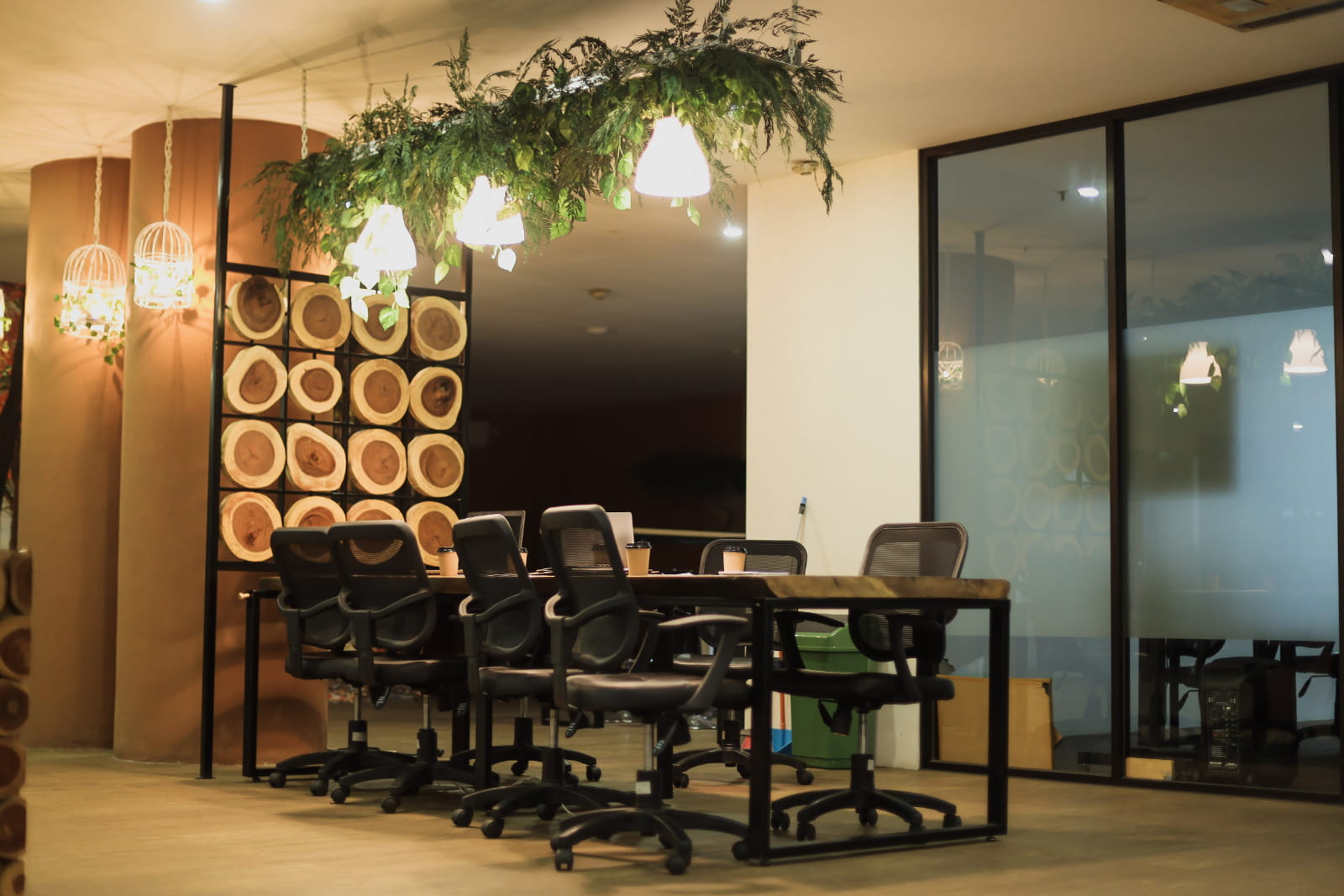
Sustainable and Eco-Friendly Company Interior Design Services
Sustainable and eco-friendly office design services are offered by specialists who know how to make workspaces healthier, smarter and kinder to the environment. Today, company interior design is not only about making an office look good. It is about creating a workplace that uses fewer resources, supports staff wellbeing and helps a business work in a more responsible way.
This matters because the modern office has changed. Some teams work fully in the office, some work from home and many work in a hybrid setup. No matter how people use the space, a sustainable office should help them feel comfortable, focused and motivated while also reducing waste, energy use and long-term running costs.
What Makes Office Design Sustainable?
Sustainable office design starts with better planning. It looks at how a workspace uses energy, water, materials, furniture and natural resources before any major design choices are made. Instead of adding a few green touches at the end, sustainability should shape the full project from the first layout discussion to the final installation.
A sustainable office also needs to work in real life. It should be practical, easy to maintain and flexible enough to support future business changes. This is where company interior design becomes especially useful, because the design must balance environmental goals with staff comfort, budget, brand identity and day-to-day operations.
- Use recycled, reclaimed or responsibly sourced materials.
- Choose low-VOC paints, adhesives, flooring and finishes.
- Improve natural light and reduce the need for artificial lighting.
- Install LED lighting, motion sensors and efficient climate control.
- Use modular furniture that can be moved, reused or adapted.
- Add plants, natural textures and biophilic design features.
- Reduce water waste with efficient taps, toilets and kitchen fittings.
- Plan recycling points and paperless workflows into the office layout.
The best sustainable offices are not complicated for the sake of it. They make simple, sensible choices that add up over time. A well-designed office can reduce waste, improve air quality, lower utility costs and create a more enjoyable workplace for employees.
Why Sustainable Company Interior Design Matters
Sustainable company interior design matters because people spend many hours in the workplace. A dull office with poor lighting, bad air quality and uncomfortable furniture can leave employees feeling tired, distracted and uninspired. A healthier office, on the other hand, can support better focus, stronger morale and a more positive workplace culture.
It also matters because sustainability is now part of how businesses are judged. Clients, employees and stakeholders increasingly expect companies to show responsibility in practical ways. A greener office is a visible sign that a business cares about its people, its costs and its environmental impact.
- Better air quality can help create a healthier indoor environment.
- Natural light can improve mood, focus and comfort.
- Ergonomic furniture can support posture and reduce discomfort.
- Energy-efficient systems can lower monthly operating costs.
- Flexible layouts can reduce the need for frequent renovations.
- Recycling and waste systems can make greener habits easier.
- Sustainable interiors can strengthen brand reputation.
- Healthier workspaces can support staff satisfaction and retention.
Real-world workplace data often links greener offices with better staff outcomes. In the information reviewed, green offices were associated with improved productivity, fewer sick days and better workplace satisfaction. While exact results depend on the building, team and design quality, the overall message is clear: sustainable offices can benefit both people and business performance.
How to Choose Sustainable Materials for the Office
Material choice is one of the most important parts of sustainable office design. Every desk, chair, floor finish, wall panel and fabric has an environmental impact. Choosing recycled, reclaimed or renewable materials can help reduce the amount of new raw material needed for a project.
Materials such as bamboo, cork, reclaimed wood and recycled metal are often used because they combine durability with lower environmental impact. Low-VOC paints and finishes are also important because they help protect indoor air quality. This is especially useful in enclosed office environments where people spend long periods of time.
Durability matters just as much as sourcing. A cheap product that needs to be replaced quickly can create more waste and cost more over time. A better approach is to choose strong, repairable and adaptable furniture that can stay useful as the business changes. This helps extend the life of the fit-out and reduces unnecessary replacement.
How Energy Efficiency Supports Better Office Design
Energy efficiency is one of the easiest ways to make an office more sustainable and cost-effective. Lighting, heating, cooling and everyday equipment all affect how much energy a workplace uses. When these elements are planned properly, the office can feel comfortable without wasting power.
Natural light should be used wherever possible. Large windows, open layouts, glass partitions and reflective surfaces can help daylight travel further through the office. Where artificial lighting is needed, LED lighting and motion sensors can reduce electricity use while keeping the workspace bright and practical.
- Position workstations to make better use of daylight.
- Use LED lighting throughout the office.
- Add motion sensors in meeting rooms, bathrooms and low-use areas.
- Use task lighting for focused work zones.
- Improve insulation to reduce heating and cooling demand.
- Use efficient HVAC systems and smart temperature controls.
- Create lighting zones so only occupied areas are lit.
- Track energy use to find waste and improve performance.
The information reviewed suggested that smart energy management systems can reduce power consumption by up to 30%, while solar panels and better windows can help lower power bills by up to 35%. These figures show why energy efficiency should be part of the design conversation from the start, not treated as an afterthought.
How Biophilic Design Improves the Workplace
Biophilic design brings nature into the office. This includes indoor plants, green walls, natural light, wood, stone, bamboo, soft natural fabrics and outdoor work areas. These elements make the office feel warmer, calmer and more human.
The benefits are not only visual. Plants can help improve the feeling of freshness in a space, natural light can support mood and focus, and natural textures can make the office feel less harsh. In busy workplaces, these small design choices can make a noticeable difference to how people feel during the day.
Real-world figures shared in the source material linked green office features with stronger workplace performance, including productivity improvements of up to 26% and reduced sick time of up to 25%. While results vary by workplace, the principle is practical: when people feel better in a space, they are more likely to work better in that space.
What Practical Steps Can Businesses Take?
A business does not need to do everything at once. The best starting point is to review the current office and identify where the biggest improvements can be made. This may include energy use, waste, furniture, lighting, air quality, water usage or how well the layout supports staff.
Small changes can still have a strong effect. Replacing single-use items, adding recycling points, switching to digital documents and choosing more efficient lighting are all achievable steps. Bigger changes, such as a full refurbishment, can then build on these habits with more sustainable materials, layouts and systems.
- Review current energy, water and waste habits.
- Replace old lighting with LED lighting.
- Add recycling stations in easy-to-reach areas.
- Reduce paper use through digital processes.
- Choose reusable kitchen items instead of disposable ones.
- Install low-flow taps and dual-flush toilets.
- Add indoor plants and natural textures.
- Choose modular furniture for future flexibility.
- Improve ventilation and indoor air quality.
- Involve employees in greener workplace habits.
A long-term sustainability plan works best when people understand why it matters. Staff should know how to use recycling stations, save energy, reduce waste and look after the workspace. When sustainability becomes part of everyday office culture, it is much easier to maintain.
Why Flexible Layouts Help Reduce Waste
Flexible office layouts make a workspace easier to adapt. This is useful because businesses change over time. Teams grow, departments move, hybrid work patterns shift and meeting needs evolve. A rigid office can become outdated quickly, while a flexible office can change without needing a full renovation.
Modular partitions, movable furniture, multipurpose rooms and hot-desking areas can all help reduce wasted space. They also reduce the need to strip out and rebuild sections of the office whenever the business changes. This saves money, time and materials.
From a sustainability point of view, flexibility is a major advantage. Office refurbishments can create large amounts of waste, especially when furniture, flooring and partitions are removed too often. Designing for adaptability helps keep materials in use for longer, which supports a more circular and responsible approach.
Company Interior Design Services and Expertise at Turnkey Interiors
At Turnkey Interiors, we provide company interior design services that help businesses create practical, attractive and future-ready workspaces. We bring design, construction, furniture, joinery, building modernisation and project management together under one turnkey solution, giving clients a smoother process from concept to completion.
We have been operating since May 2001 and have built strong experience in commercial interiors, office fit-outs, refurbishments and workspace transformation. Our approach focuses on people, performance and purpose, which means every design choice should support how the business works and how employees use the space.
- We manage space planning and design conceptualisation.
- We assist with costing, procurement and implementation.
- We provide project management from start to finish.
- We offer design, construction, furniture and joinery expertise.
- We support building modernisation and workspace upgrades.
- We create bespoke environments aligned with client needs.
- We focus on quality, timing, accountability and clear communication.
- We can act as the main contractor for a simpler project process.
We understand that sustainable design needs to be realistic. Budgets, timelines, operational needs, brand identity and long-term flexibility all matter. That is why we help clients make practical choices that support both business goals and better workplace outcomes.
Partner with the Right Interior Design Team
So, who offers sustainable and eco-friendly office design services? The right answer is a company interior design specialist that can combine creativity, technical planning, project delivery and practical sustainability. A good sustainable office should reduce environmental impact, support employee wellbeing, improve efficiency and still feel like a space people enjoy using every day.
At Turnkey Interiors, we help businesses rethink their workspaces with purpose, care and practical insight. If you are planning a refurbishment, relocation or new office fit-out, get in touch with us. We would be glad to help you create a workspace that works better for your people, your business and the planet.
FAQs About Company Interior Design
What Is Eco-Friendly Office Interior Design?
Eco-friendly office interior design is the process of creating workspaces that reduce environmental impact while supporting employee comfort, health and productivity. It includes choices such as recycled materials, energy-efficient lighting, low-VOC paints, indoor plants, better ventilation, water-saving fixtures and flexible layouts. The aim is to use fewer resources without sacrificing style or function. Good company interior design also considers how the office will adapt over time, so fewer materials are wasted during future changes. A sustainable office should feel practical, attractive and healthy, while helping the business lower running costs and show environmental responsibility in everyday workplace decisions too.
Why Is Sustainable Company Interior Design Important?
Sustainable company interior design is important because the workplace affects both people and the planet. A greener office can help reduce energy use, water waste, landfill waste and the need for frequent refurbishments. At the same time, it can create a healthier environment for employees through better air quality, natural light, ergonomic furniture and biophilic design. Businesses also benefit from lower operating costs and a stronger reputation with staff, clients and visitors. When sustainability is built into the design from the start, the office becomes more efficient, more future-ready and better aligned with responsible business practices and long-term growth goals.
How Can Office Interiors Be Made More Eco-Friendly?
Office interiors can be made more eco-friendly by starting with practical design choices. Businesses can use recycled or responsibly sourced materials, choose low-VOC finishes, install LED lighting, add motion sensors, improve natural light and include plants throughout the workspace. Water-saving taps, dual-flush toilets, recycling stations and reusable kitchen items also support greener daily habits. Furniture should be durable, repairable and modular, so it can be reused as the business changes. The most effective approach is to plan sustainability across the full office design, not just add a few green features after the main work is complete at the end properly.
What Materials Are Best for Eco-Friendly Office Design?
The best materials for eco-friendly office design are those that are renewable, recycled, reclaimed, durable or responsibly sourced. Popular options include bamboo, cork, reclaimed wood, recycled metals, recycled fabrics and certified timber. Low-VOC paints, adhesives and finishes are also important because they help protect indoor air quality. Sustainable materials should not only look good, but also last well in a busy office environment. Choosing strong, timeless and repairable products reduces the need for regular replacement. This helps businesses cut waste, lower long-term costs and create interiors that feel warm, modern and environmentally responsible for staff and visitors every day thoughtfully.
Can Eco-Friendly Office Design Improve Productivity?
Yes, eco-friendly office design can support productivity by creating a healthier and more comfortable place to work. Natural light, fresh air, indoor plants, good acoustics, ergonomic furniture and calm natural materials can all help employees feel more focused and less stressed. Biophilic design, which brings nature into the office, is often linked with better mood, creativity and workplace satisfaction. Energy-efficient systems can also keep the office comfortable without wasting resources. While design alone cannot solve every workplace challenge, a well-planned sustainable office can remove many distractions and help people do their best work more consistently each day at work too.
Who Offers Sustainable and Eco-Friendly Office Design Services?
Sustainable and eco-friendly office design services are offered by experienced company interior design specialists who understand both sustainability and practical workplace needs. The right partner should be able to guide material choices, space planning, lighting, ventilation, furniture, waste reduction and project delivery. They should also understand budgets, timelines and how employees use the office every day. Turnkey Interiors offers this type of complete service, helping businesses plan and deliver workspaces that are attractive, functional and more environmentally responsible. A strong design partner makes sustainability easier to apply from the first idea through to final installation and handover for clients confidently.


Leave a Reply