

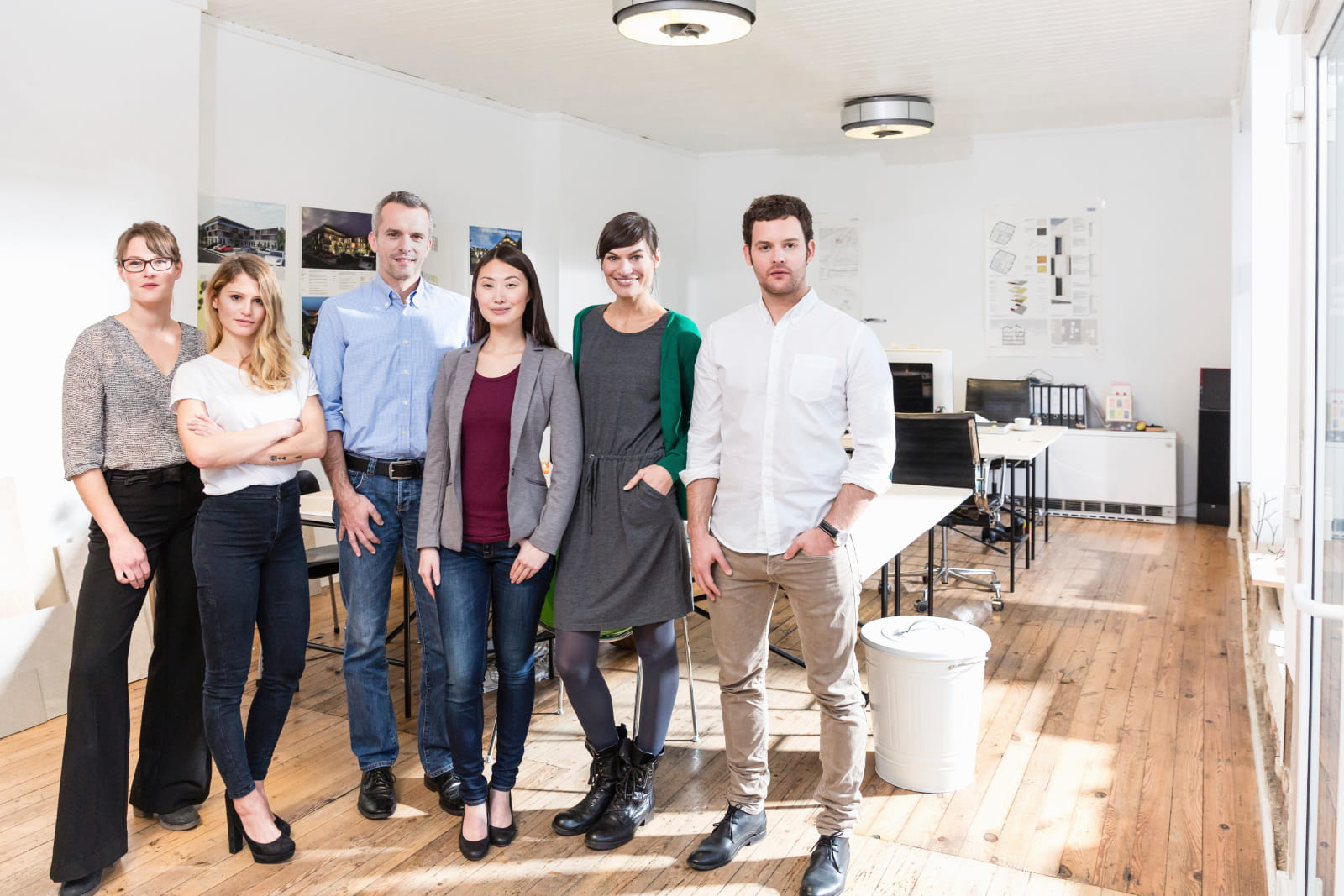
Design, Build, Move In: The Power of Turnkey Office Interior Design
Turnkey office interior design gives businesses a simpler way to create a workplace that is ready to use from day one. Instead of managing separate designers, contractors, suppliers, furniture providers and site teams, a turnkey approach brings the full project together under one clear process. The result is a more organised journey from first idea to final handover.
This matters because modern offices have to work harder than ever. They need to support focused work, collaboration, hybrid teams, staff wellbeing, brand identity and client confidence. When design, build, procurement, furniture and project management are handled as one service, businesses can avoid many of the delays, gaps and headaches that often come with office projects.
What Does Turnkey Office Interior Design Mean?
Turnkey office interior design means a workspace is planned, designed, built, furnished and handed over as a ready-to-use environment. The idea is simple: once the project is complete, the business can move in and start working. This can include space planning, design concepts, costing, procurement, construction, furniture, joinery, installation, project management and final snagging.
This approach is different from a traditional office project, where the client may need to deal with several separate providers. One team may handle the design, another may manage construction, another may supply furniture, and another may deal with specialist installations. That can work, but it often puts pressure on the client to connect the dots, manage timelines and make sure nothing gets missed.
The need for a more joined-up process is clear in today’s workplace. Research into hybrid work and office occupancy shows that businesses are rethinking how much space they need, how that space is used and how it supports different work activities. A turnkey model helps because these decisions are not treated separately. They are planned together, so the finished office is practical, cost-aware and aligned with real business needs.
Why Businesses Are Choosing Turnkey Office Interior Design
Businesses are choosing turnkey office interior design because office projects can quickly become complex. A move, fit-out or refurbishment usually involves layout planning, design decisions, budgets, approvals, contractors, furniture, compliance, health and safety, timelines and final handover. When these parts are managed separately, small delays or missed details can affect the whole project.
There is also more pressure on the office to prove its value. Global workplace research shows that employee engagement remains a major business concern, with engagement linked to productivity, performance and wellbeing. At the same time, office planning research shows that organisations are focusing more on space optimisation and better occupancy planning. This means the office has to be designed with purpose, not just filled with desks.
Common Reasons Businesses Choose a Turnkey Approach
- They want one team to manage the full project.
- They need clearer control over budgets and timelines.
- They want to reduce disruption to daily operations.
- They are relocating, expanding, downsizing or refurbishing.
- They need a workspace that supports hybrid working.
- They want stronger brand alignment across the office.
- They need better use of existing space.
- They want a smoother route from design to handover.
A turnkey approach is especially useful when time is limited. Business leaders and office managers often do not have the capacity to chase suppliers, solve site issues, track deliveries and coordinate every trade. With one accountable team managing the full process, the business can stay focused on its people, clients and operations while the workspace takes shape.
The Main Benefits of a Turnkey Office Interior Design Project
The main benefit of a turnkey office interior design project is control. When one team manages the design, costing, construction, procurement, furniture and installation, there is a clearer line of responsibility. This helps reduce confusion, improves communication and makes it easier to keep the project moving in the right direction.
It also supports better decision-making. Workplace data shows that many businesses are moving away from simply cutting office costs and are instead focusing on how to optimise space. That means businesses need to know which areas are used, which areas are underused and which spaces support the best employee experience. Turnkey design helps turn those insights into practical layout and build decisions.
Key Benefits of Turnkey Office Interiors
- One point of accountability from start to finish.
- Clearer budgeting and fewer unexpected costs.
- Faster decision-making through a joined-up process.
- Better coordination between design and construction.
- More consistent finishes, furniture and branding.
- Less time spent managing contractors and suppliers.
- Improved space planning for hybrid and flexible work.
- A smoother handover into a ready-to-use office.
The value is not only in convenience. A well-managed turnkey process can also protect the investment. Poor planning, late changes, furniture that does not fit, unclear scopes and trade delays can all add cost. By dealing with these risks early, a turnkey team helps create a workplace that is more functional, more cohesive and more likely to perform well over time.
How Turnkey Office Interior Design Supports Better Space Planning
Space planning is one of the most important parts of office interior design because it affects how people move, meet, focus and collaborate. A good layout can reduce wasted space, improve facilities management and help businesses rightsize their office footprint. In a workplace shaped by hybrid habits, this has become even more important.
Recent occupancy research shows that organisations are paying closer attention to utilisation, data accuracy and portfolio optimisation. In simple terms, businesses want to know whether their offices are being used properly and whether the layout supports the way people actually work. This is where space planning becomes a business tool, not just a design task.
A turnkey approach connects space planning to the rest of the project. The layout is not created in isolation and then passed on to others to figure out. It is linked to construction, furniture, joinery, services, budget and programme planning. This makes it easier to create spaces for focused work, informal meetings, collaboration, client interaction, quiet time and future growth.
The Role of Design, Fit-Out and Refurbishment
Design is where the workplace strategy starts to become visible. It brings together brand identity, culture, workflow, staff needs and practical requirements. Good office design should help people understand the business when they walk in, but it should also support everyday tasks in a natural and comfortable way.
Fit-out turns the design into a working environment. This may include partitions, flooring, ceilings, lighting, electrical work, meeting rooms, kitchens, reception areas, furniture and custom joinery. Refurbishment is slightly different because it works with an existing space, but the goal is often the same: improve function, update the look and make the office better suited to current business needs.
The need for thoughtful design is backed by workplace experience data. Research has shown that many employees see informal, unplanned meetings as an important part of their work, while a strong office environment can support knowledge-sharing and teamwork. That means offices should not be planned only around desk numbers. They should include spaces that encourage the behaviours businesses want more of.
Why Furniture and Joinery Matter in Office Interior Design
Furniture has a direct impact on comfort, usability and productivity. Desks, task chairs, meeting tables, soft seating, storage, reception counters and breakout furniture all shape how people experience the office. If furniture is chosen too late, it may not fit the layout, support the workflow or match the design intent.
Custom joinery can solve problems that standard furniture cannot. Bespoke boardroom tables, reception desks, storage units, kitchens, counters and fitted elements can make better use of available space. They also help create a more polished and brand-aligned environment, especially in client-facing areas.
There is also a practical cost and quality argument. When furniture and joinery are managed as part of a wider turnkey process, lead times, finishes, measurements and installation can be planned more carefully. This reduces the risk of delays, poor fit or mismatched details. For businesses investing in long-term workspace improvements, that level of coordination matters.
How Turnkey Interiors Help Control Costs and Timelines
Cost control starts with a clear scope. Many office projects become expensive because decisions are made too late, responsibilities are unclear or separate suppliers price different parts of the work without seeing the full picture. A turnkey process helps by linking the budget to the design, build, procurement and installation plan from the start.
Timelines are also easier to manage when one team controls the full sequence of work. Procurement, construction, furniture delivery, custom joinery, inspections, snagging and handover all need to happen in the right order. If one part slips, the whole programme can be affected. Turnkey project management helps reduce that risk by keeping the moving parts aligned.
This matters in real business terms. Global workplace research has shown that low employee engagement can carry a major productivity cost, while workplace planning research continues to highlight the importance of better office utilisation. A delayed, poorly planned or disruptive office project can affect staff, clients and operations. A well-run turnkey project helps reduce that disruption and gets the business into a usable space sooner.
Which Companies Offer Turnkey Office Interior Design Projects?
Companies that offer turnkey office interior design projects usually provide more than design advice. They bring together the practical services needed to take a workspace from concept to completion. This may include consultation, space planning, design conceptualisation, costing, procurement, construction, furniture, joinery, building modification, project management and final handover.
At Turnkey Interiors, we offer full-service commercial, company and corporate interior design projects for businesses that want one accountable partner. We work across office construction, space planning, building modernisation, furniture and joinery, fit-out and refurbishment. This means we can support anything from small workplace changes to complete office transformations.
What We Bring to Turnkey Office Projects
- Commercial interior design experience.
- Space planning tailored to business needs.
- Office construction and refurbishment support.
- Transparent costing and procurement.
- Project management from start to finish.
- Furniture and custom joinery solutions.
- Building modification and modernisation expertise.
- Offices in Johannesburg and Cape Town.
- A practical understanding of South African workplace needs.
We also understand that a workspace must support people, performance and purpose. Our process is built around clarity, quality and accountability, so clients can focus on their core business while we manage the details. From design and costing to implementation and handover, we help create offices that are functional, future-ready and aligned with each client’s brand and operational goals.
What to Expect From the Turnkey Office Interior Design Process
A strong turnkey process starts with consultation. This is where the project team learns about the business, its goals, culture, staff needs, brand identity, budget and timeline. This stage is important because the office should not be based on guesswork. It should be shaped around how the business works now and how it expects to grow.
The next stage is usually design and space planning. This can include floor plans, workplace strategy, layouts, finishes, furniture direction and visual concepts. The aim is to give the client a clear view of how the office will look and function before implementation begins. With more businesses using hybrid work patterns, this stage should also consider occupancy, collaboration needs, quiet zones and adaptable spaces.
Once the design and budget are approved, the project moves into procurement and delivery. Materials, furniture, trades, joinery and site work are coordinated according to the programme. Project management then keeps the process on track through reporting, quality checks, health and safety oversight, snagging and final handover. The result should be a finished office that is ready for people to use.
How to Know If Turnkey Office Interior Design Is Right for You
Turnkey office interior design is a good fit if your business wants a structured, low-stress project with one responsible team. It is especially useful for relocations, new office fit-outs, refurbishments, downsizing projects, expansions and workplace upgrades. It can also help businesses that need to move quickly or cannot afford major disruption.
It is also useful when the office needs to support more than one type of work. Workplace research shows that modern offices need to support collaboration, focused work, informal interaction and employee experience. If the space is not planned properly, teams may struggle with noise, poor flow, unused areas or a lack of suitable meeting space.
Before starting, it helps to define your goals clearly. Think about how many people will use the office, how often they will be there, what kind of work they do, what clients should experience and what the business may need in the next few years. A clear brief helps a turnkey partner create an office that looks good, works well and supports long-term value.
A Smarter, Simpler Way
Turnkey office interior design gives businesses a smarter, simpler way to create workplaces that are ready to perform from day one. It brings design, build, procurement, furniture, project management and handover into one joined-up process. That helps reduce stress, improve accountability and create a more consistent final result.
If your business is planning a move, fit-out, refurbishment or full workplace transformation, we can help make the process clearer and easier. At Turnkey Interiors, we manage the details so you can stay focused on running your business. Get in touch with us to discuss your next office interior design project, and let’s create a workspace that supports your people, reflects your brand and helps your business move forward.
FAQs About Office Interior Design
What Does a Full-Service Office Interior Designer Do?
A full-service office interior designer manages the complete workplace design journey, from the first consultation to final handover. This can include space planning, design concepts, budgeting, furniture selection, procurement, contractor coordination, fit-out, styling and project management. Instead of only giving layout advice or product recommendations, a full-service designer helps turn the idea into a finished, usable office. For businesses, this reduces the need to deal with multiple suppliers and makes the process easier to control. The goal is to create a workplace that supports productivity, brand identity, staff wellbeing and long-term business needs while reducing stress for the client overall.
Is Hiring a Full-Service Interior Designer Worth It?
Hiring a full-service interior designer is worth it if your business wants a smoother, more professional office project. Office interiors involve many moving parts, including layout, compliance, furniture, lighting, construction, finishes, timelines and budgets. Without experienced management, mistakes can become expensive and delays can disrupt operations. A full-service designer helps prevent these issues by planning the project properly, coordinating suppliers and making sure the final space works as intended. The value is not only in how the office looks, but in how well it functions, supports employees and reflects the business. It can save time, money and unnecessary project stress.
What Is the Difference Between Turnkey and Traditional Office Interior Design?
The main difference is the level of involvement and responsibility. Traditional interior design may focus on concepts, finishes, drawings or recommendations, while the client often manages contractors, suppliers and installation separately. Turnkey office interior design goes further by handling the full process from design to build and handover. This usually includes planning, costing, procurement, construction, furniture, joinery and project management. For businesses, the turnkey route offers one point of accountability and a more joined-up experience. It is especially useful for office relocations, refurbishments and fit-outs where timing, cost control and business continuity are especially important priorities from start to finish.
How Long Does a Full-Service Office Interior Design Project Take?
The timeline for a full-service office interior design project depends on the size, complexity and condition of the space. A small office refresh may take a few weeks, while a larger fit-out, refurbishment or relocation can take several months. The process usually includes consultation, space planning, design development, costing, approvals, procurement, construction, installation and snagging. Lead times for furniture, custom joinery and specialist materials can also affect the schedule. A full-service or turnkey approach helps because the programme is managed as one process, reducing delays between stages and keeping suppliers, contractors and decision-makers aligned throughout the project through to completion.
What Is Included in a Full-Service Office Interior Design Package?
A full-service office interior design package usually includes everything needed to plan, build and complete a workplace. This may cover consultation, needs assessment, space planning, design concepts, layout drawings, finishes, furniture selection, lighting planning, costing, procurement, contractor coordination, project management, installation and final handover. Some providers also include custom joinery, building modification, office construction and post-project support. The exact scope should always be confirmed before work begins. A clear package helps businesses understand what is included, what is excluded and how the project will be managed, making it easier to control budget, timelines, responsibilities, approvals and internal expectations across teams.
How Do I Choose the Right Full-Service Office Interior Designer?
When choosing a full-service office interior designer, look for experience in commercial spaces, clear project processes and strong project management capability. The right partner should understand space planning, workplace strategy, construction, furniture, compliance, budgeting and handover, not just design style. It also helps to review past projects, ask about timelines, understand how costs are managed and confirm who will be responsible for coordination. A good designer should listen carefully, explain options clearly and create a workplace that fits the business, not just current trends. The best choice is a team that offers creativity, accountability, practical delivery experience and communication.


Leave a Reply