

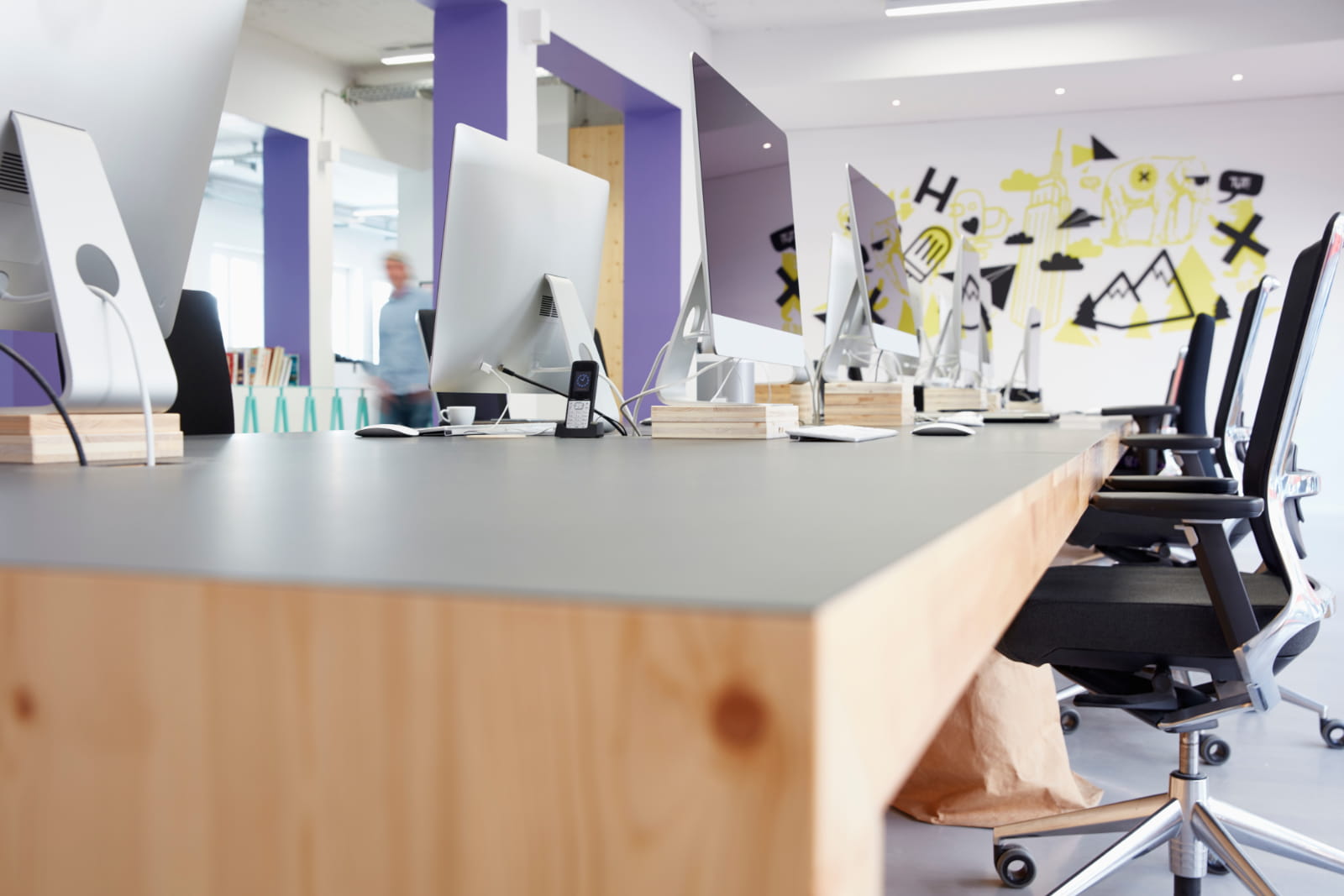
Identity to Productivity: The ROI of Custom Company Interiors
Custom interior design for companies is about far more than decorating walls or choosing furniture. A well-planned office can impact productivity, collaboration, employee well-being, and how your brand is perceived by visitors. Every decision, from the layout to lighting, communicates something about your company and influences daily performance.
Investing in custom company interiors is an investment in people and process. Workspaces designed to reflect your brand and support your teams can reduce absenteeism, improve focus, and foster a sense of pride in employees. Research shows that well-designed offices can boost productivity by up to 20% and reduce stress-related absence by as much as 25%. This makes interior design for companies a strategic choice rather than just an aesthetic one.
Why Interior Design for Companies Matters
Creating the right environment goes beyond looks. Offices that are carefully planned consider workflow, natural light, acoustics, and ergonomics. A poorly designed workspace can increase distractions and reduce efficiency, while a thoughtfully designed office supports employee focus and satisfaction.
Key Benefits:
- Aligns space with brand identity and company culture
- Reduces stress and improves employee comfort
- Supports operational efficiency and workflow
- Creates a welcoming environment for clients and visitors
By designing with purpose, companies can create spaces that improve engagement and retention. Offices that align with organisational goals encourage employees to perform better while supporting a professional image for clients and partners.
Thoughtful interior design for companies ensures that every area, from quiet zones to collaborative spaces, has a clear function. It maximises the utility of every square metre and prepares the workspace to grow alongside the business. Employees experience a more comfortable, effective, and motivating environment.
How Custom Interiors Improve Productivity
Custom interiors address the unique needs of teams and individuals. By tailoring spaces to specific workflows, companies can minimise wasted movement, reduce distractions, and support healthier work habits.
Key Strategies:
- Ergonomic furniture for comfort and reduced musculoskeletal strain
- Quiet zones for focused work
- Flexible layouts for changing team sizes and hybrid work models
- Natural light and biophilic elements to boost mood and energy
Data shows that incorporating ergonomic solutions can reduce musculoskeletal discomfort by up to 60% and absenteeism by nearly 40%. Employees in well-planned spaces also report higher satisfaction and focus, directly contributing to better output.
Investing in layouts and furniture that match business processes ensures that employees spend less time navigating the office and more time performing meaningful work. A productive workspace benefits the bottom line while also improving team morale.
Connecting Brand Identity With the Physical Workspace
Your office reflects your company’s values to both employees and clients. The colours, finishes, and furniture you choose can reinforce professionalism, creativity, or stability depending on your brand. Research indicates that first impressions form within seven seconds of entering a business space, highlighting the importance of visual alignment with brand identity.
Custom interiors allow every detail to support brand messaging. From reception areas to meeting rooms, carefully selected materials, colours, and layouts help employees and visitors immediately understand what your company represents.
A brand-aligned office also improves employee morale. Staff who feel connected to a workspace that represents the company mission tend to show stronger engagement. Organisations with strong internal branding have reported up to 28% higher employee engagement, linking the physical environment directly to culture and performance.
Creating Better Collaboration and Communication
Collaboration depends on the environment. Well-placed meeting rooms, breakout areas, and open workspaces encourage interaction while providing spaces for focused work.
Key Features:
- Open collaboration zones with flexible seating
- Informal lounges and breakout spaces for creative brainstorming
- Quiet rooms for confidential discussions or focused tasks
- Smart layouts that reduce unnecessary movement between teams
Designing collaboration into the office layout promotes idea sharing and team cohesion. When teams can interact easily without disrupting others, communication flows naturally.
Custom interiors ensure collaboration areas complement private workspaces. The balance of open and closed zones reduces distractions while fostering teamwork, making day-to-day operations smoother and more innovative.
The Role of Space Planning in Interior Design for Companies
Effective space planning is critical for office performance. Offices can waste up to 30% of space without careful design. Planning ensures that every square metre is functional and aligns with workflows, promoting efficiency and better employee experience.
Research highlights that workplaces with efficient space usage experience up to 25% higher collaboration and faster task turnaround. By organising departments strategically, teams communicate more easily, and employees can focus on tasks without unnecessary interruptions.
Future-proof planning also prepares offices for hybrid working and technological integration. Flexible layouts and modular furniture reduce the cost of future renovations, making the workspace adaptable to business growth and evolving needs.
Supporting Employee Wellbeing Through Better Design
Employee well-being is directly linked to workplace performance. Ergonomic furniture, access to natural light, clean air, and comfortable temperatures all improve health, focus, and productivity. Studies show that natural light alone can increase employee satisfaction and reduce fatigue.
Incorporating biophilic elements such as plants and natural materials reduces stress and supports creativity. Quiet zones and flexible seating options give employees choice, allowing them to work in an environment that suits the task at hand.
Wellbeing-focused design is not a luxury but a business imperative. Offices that support health and comfort see lower absenteeism, higher retention, and stronger engagement from staff, ultimately benefiting the company as a whole.
Future-Proofing the Workplace
Business needs evolve, and the office must evolve too. Workspaces that can adapt to growth, hybrid working, and technological changes reduce long-term costs and disruptions.
Flexible workstations, modular furniture, and multi-purpose areas allow businesses to scale and reorganise without major renovations. Research indicates that companies that plan for scalability early spend 20–40% less on future refurbishments.
By integrating future-ready design principles, companies ensure that their workspace remains efficient and relevant, supporting long-term productivity and operational flexibility.
Custom Furniture and Joinery That Works Harder
Bespoke furniture ensures functionality and aesthetic alignment. Off-the-shelf solutions may not suit specific workflows or branding requirements.
Key Elements:
- Reception counters and boardroom tables designed for workflow and style
- Storage and desking optimised for space utilisation
- Ergonomic seating tailored for comfort and productivity
- Modular joinery to allow reconfiguration as needs change
Custom pieces improve ergonomics, support daily operations, and reinforce brand identity. Long-lasting materials reduce replacement costs and maintenance, providing better value over time.
Investing in bespoke joinery also allows for quicker project completion and tighter quality control. In-house production ensures that furniture fits the intended space perfectly and supports the company’s operational needs.
Where To Get Customised Interior Design Solutions For My Office?
Turnkey Interiors offers full-service solutions for businesses seeking custom office interiors. Their expertise spans design, fit-out, refurbishment, furniture, joinery, construction, and building modernisation.
Key Offerings:
- Consultation and space planning tailored to brand and workflow
- Design conceptualisation with 3D visualisations
- Transparent costing and procurement management
- Project management and on-site construction oversight
- Custom furniture and joinery produced in-house
Turnkey Interiors manages projects from concept to completion, providing accountability and reducing the need to coordinate multiple service providers. Their solutions ensure the office reflects the brand, supports employees, maximises space, and is adaptable for the future.
Partnering with Turnkey Interiors means working with a team that prioritises efficiency, quality, and client satisfaction. Their turnkey approach ensures that businesses receive a complete, customised interior design solution that aligns with operational goals and enhances workplace performance.
Make The Right Investment
Custom interior design for companies transforms workspaces into environments that reflect brand identity, improve productivity, and enhance employee well-being. Investing in well-planned, tailored interiors pays off by creating spaces where people feel motivated and valued.
A thoughtfully designed office reduces wasted space, supports collaboration, integrates future-ready features, and aligns with the company culture. If your team is ready to create a workspace that works for people and for the business, we encourage you to get in touch with Turnkey Interiors. Together, we can develop a customised interior design solution that turns your office into a productive, inspiring, and flexible environment.
FAQs About Interior Design for Companies
What is custom interior design for companies and why is it important?
Custom interior design for companies is the process of creating tailored office environments that align with a business’s brand, culture, and workflow needs. It goes beyond aesthetics, ensuring that spaces are functional, efficient, and conducive to employee productivity. By incorporating ergonomic furniture, strategic layouts, and collaborative zones, companies can improve staff engagement, reduce stress, and enhance team performance. Additionally, well-designed interiors communicate professionalism to clients and visitors, reinforce brand identity, and future-proof the office by accommodating growth, hybrid work, and evolving operational requirements.
How can interior design improve employee productivity?
Interior design influences productivity by creating environments that support focus, collaboration, and comfort. Thoughtful layouts minimise distractions, while ergonomic furniture reduces fatigue and musculoskeletal strain. Access to natural light, biophilic elements such as plants, and well-planned quiet zones further enhance concentration and overall well-being. Collaborative areas and flexible workstations encourage teamwork and communication, while clearly defined work zones ensure tasks are completed efficiently. Studies indicate that workplaces with good design can boost productivity by up to 20% and reduce absenteeism by 25%. Investing in interior design for companies transforms a workspace into a tool for better performance.
What are the benefits of custom furniture and joinery in office interiors?
Custom furniture and joinery ensure that every piece fits the office layout, supports workflows, and aligns with brand identity. Unlike standard off-the-shelf options, bespoke solutions can include boardroom tables, reception counters, storage units, and seating tailored to specific requirements. This optimises space, enhances ergonomics, and improves overall efficiency. High-quality materials and in-house production also reduce maintenance and replacement costs. Custom joinery supports both functionality and aesthetics, allowing for flexible, modular designs that can adapt to future changes. Ultimately, it ensures that the office works seamlessly for employees while projecting a polished, professional image to clients.
How does space planning factor into effective office design?
Space planning is a critical component of interior design for companies. It involves analysing how teams work, how departments interact, and how employees move through the office. Effective space planning maximises the use of every square metre, reduces wasted areas, and creates zones for focused work, collaboration, and relaxation. Hybrid-friendly layouts allow for flexible seating and changing team sizes. Proper space planning can improve workflow, enhance communication, and increase efficiency. Offices with optimised layouts experience higher collaboration rates and faster task completion. Investing in space planning ensures that interior design delivers both aesthetic appeal and measurable operational benefits.
Can interior design help attract and retain talent?
Yes, well-designed office interiors are a key factor in attracting and retaining top talent. Millennials and Gen Z employees, in particular, value workspaces that prioritise comfort, aesthetics, and well-being. Features such as natural light, ergonomic furniture, green spaces, collaborative zones, and flexible layouts create a positive, engaging environment. Employees feel more valued and motivated in spaces designed for their needs, which increases job satisfaction and reduces turnover. A visually appealing and functional office also signals to potential recruits that the company invests in its people and culture, strengthening employer branding and enhancing the organisation’s competitive advantage.
Where can companies get professional customised interior design solutions?
Companies seeking customised interior design solutions can partner with experienced full-service providers like Turnkey Interiors. They offer a comprehensive approach, including consultation, space planning, design conceptualisation, 3D visualisations, construction, project management, and bespoke furniture and joinery. Turnkey Interiors manages the entire process from concept to completion, ensuring brand alignment, functionality, and employee-centric design. Their expertise spans offices, retail spaces, and corporate environments, delivering future-ready layouts that accommodate hybrid working and growth. Partnering with professionals ensures a seamless project, reduced risk, and a workspace that is visually appealing, practical, and fully tailored to the company’s operational and cultural needs.


Leave a Reply