

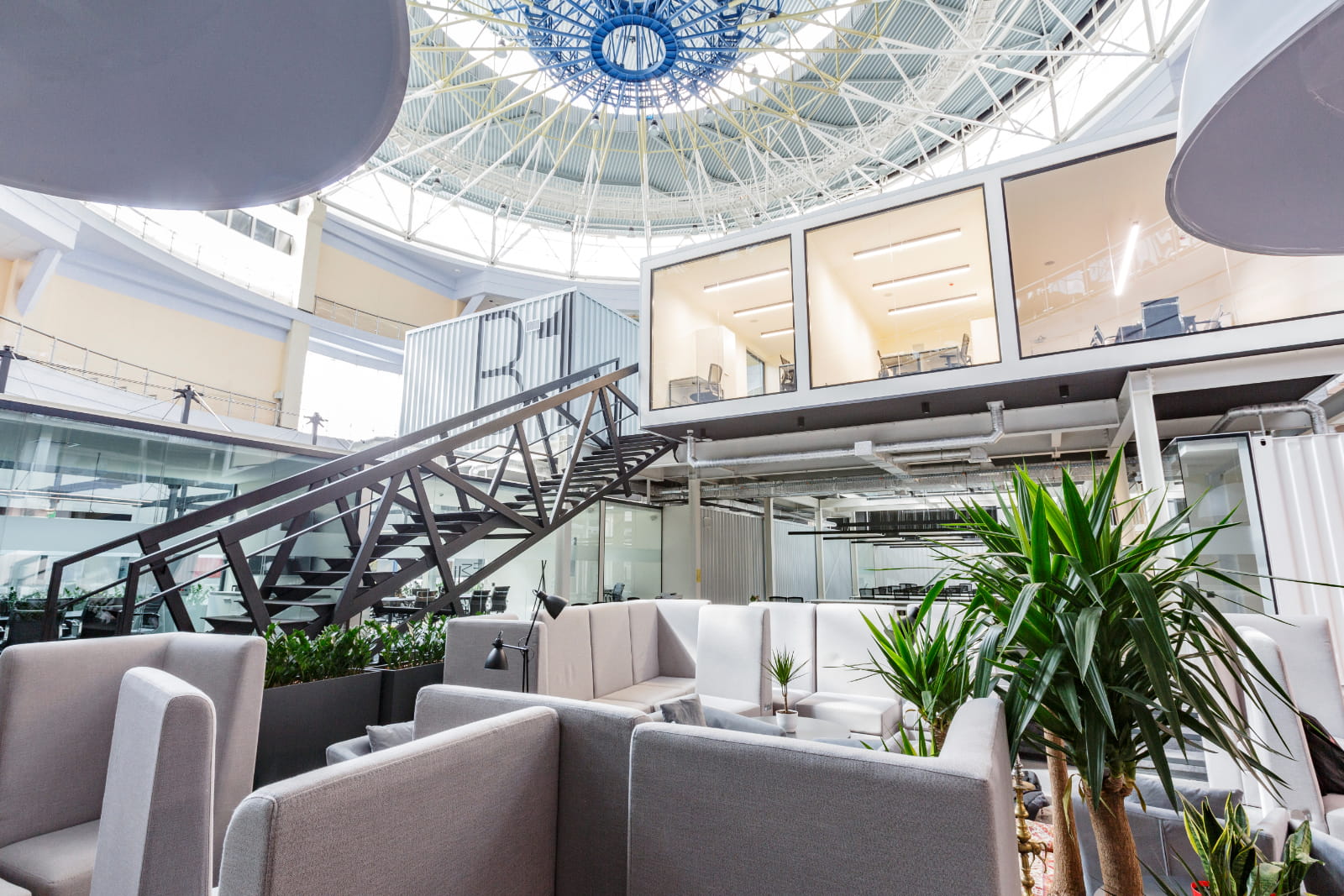
10 Company Interior Design Trends Shaping New Workspaces
Modern workplaces are changing quickly, and choosing the right company for interior design can help businesses create spaces that are flexible, practical, and built around people. Office design is no longer just about making a space look smart. It now affects productivity, wellbeing, collaboration, brand image, and how easily a business can adapt to future growth.
As teams shift between focused work, meetings, hybrid schedules, and shared spaces, the office needs to do more than provide desks and chairs. It should support the way people actually work every day, while still reflecting the company’s identity and long-term goals.
1. Flexible Layouts That Adapt With the Business
Flexible layouts are one of the most important trends in modern company interior design. Businesses change, teams grow, departments move, and hybrid working patterns shift, so fixed layouts can quickly become limiting. A future-ready office should be easy to adjust without needing a full redesign every time the business changes.
- Modular furniture that can be moved or reconfigured
- Multi-purpose meeting rooms
- Hot-desking areas for hybrid teams
- Movable partitions for adaptable zoning
- Breakout spaces that can double as informal meeting areas
- Scalable layouts that allow for future growth
A well-planned flexible layout helps businesses get more value from every square metre. It also allows employees to choose spaces that suit their tasks, whether they need to collaborate, focus, meet clients, or take a break. This is where a company for interior design can help create an office that stays useful as the business grows.
2. How a Company for Interior Design Supports Employee Wellbeing
Employee wellbeing has become a major focus in modern office interiors. A workspace that supports physical comfort and mental balance can improve morale, reduce stress, and help people stay productive throughout the day. This starts with simple but important choices, such as ergonomic chairs, good lighting, fresh air, and comfortable breakout areas.
- Ergonomic chairs and adjustable desks
- Wellness rooms or quiet rooms
- Comfortable lounge and pause areas
- Good ventilation and air quality
- Access to natural light
- Spaces that encourage movement during the day
Wellbeing-focused design shows employees that their comfort matters. It also helps businesses create a more positive work culture, where people feel supported rather than drained by their surroundings. Over time, this can contribute to better focus, stronger engagement, and improved staff retention.
3. Better Balance Between Collaboration and Focus
Open-plan offices can encourage communication, but they can also create noise and distraction if they are not carefully planned. The future of office design is about balance. Employees need places to connect, share ideas, and work together, but they also need quiet areas where they can concentrate without interruption.
- Open zones for teamwork and brainstorming
- Quiet rooms for focused work
- Meeting rooms for structured discussions
- Acoustic panels and sound control features
- Private pods for calls or deep work
- Flexible seating for different work styles
A balanced office gives employees more control over how and where they work. This is especially useful for teams with different roles, personalities, and daily tasks. A skilled company for interior design can plan these spaces carefully so collaboration improves without reducing focus.
4. Natural Light and Biophilic Design
Natural light is one of the most valuable features in a modern office. It helps make the workspace feel brighter, more open, and more welcoming, while also supporting mood and energy levels. Smart design can maximise daylight through desk placement, glass partitions, lighter finishes, and open circulation routes.
- Large windows where possible
- Glass partitions to allow light flow
- Indoor plants and greenery
- Natural textures such as wood and stone
- Living walls or planted feature areas
- Calming colours inspired by nature
Biophilic design brings natural elements into the workplace, helping to soften the corporate environment. Plants, natural materials, and organic textures can make an office feel warmer and less sterile. These details may seem simple, but they can make a big difference to employee comfort and the overall atmosphere of the space.
5. Smarter Technology Integration
Technology should be planned into the office from the start, not added later as an afterthought. A modern workspace needs reliable connectivity, accessible power, clean cable management, and meeting areas that support both in-person and remote collaboration. When technology is poorly integrated, it can make even a beautiful office frustrating to use.
- Strong connectivity throughout the office
- Charging points in practical locations
- Clean and hidden cable management
- Video conferencing-ready meeting rooms
- Smart lighting and climate control
- Secure access and efficient building systems
Smart technology integration keeps the office running smoothly. It helps employees move between tasks with fewer delays and gives meeting spaces the tools they need to function properly. A good company for interior design will consider technology early in the planning phase so it supports the design rather than disrupting it.
6. Brand Identity Built Into the Space by a Company for Interior Design
A modern office should reflect the business behind it. Brand identity can be built into the space through colours, finishes, signage, artwork, materials, and layout choices. This does not mean overloading the office with logos. The most effective branding is often subtle, consistent, and carefully placed.
- Brand colours used in selected accents
- Custom signage and feature walls
- Artwork that reflects company values
- Materials that match the brand personality
- Reception areas designed for strong first impressions
- Meeting rooms that reflect culture and purpose
Brand-led interiors help create a sense of pride for employees and a clear impression for visitors. When the design feels connected to the company’s values, the office becomes more than a workspace. It becomes a physical expression of the organisation’s culture, professionalism, and direction.
7. Sustainable and Future-Ready Interiors
Sustainability is becoming a core part of company interior design. A company for interior design can help businesses think more carefully about energy use, material choices, durability, and long-term value. A sustainable office is not only better for the environment, but it can also reduce waste and support a healthier workplace.
- Energy-efficient lighting
- Durable furniture with a longer lifespan
- Recycled or responsibly sourced materials
- Low-maintenance finishes
- Indoor greenery
- Flexible layouts that reduce the need for future rebuilds
Future-ready interiors are about making decisions that still make sense years from now. Instead of chasing short-lived trends, businesses should invest in design features that can adapt as needs change. This approach supports sustainability, protects budgets, and keeps the workspace relevant for longer.
8. Premium Materials and Quality Finishes
Premium materials are becoming more popular in modern office interiors, especially in reception areas, boardrooms, executive spaces, and client-facing environments. High-quality finishes help create a polished, professional impression and can make the workplace feel more established and credible.
- Stone, timber, metal, and glass finishes
- Bespoke joinery and fitted storage
- Durable flooring for high-traffic areas
- High-quality fabrics and soft furnishings
- Statement reception desks or boardroom tables
- Refined lighting and architectural details
The key is to balance style with practicality. Materials should not only look good, but also stand up to everyday use. When quality finishes are chosen carefully, they improve the look, function, and lifespan of the office, while helping the business present itself with confidence.
9. Storage and Clutter-Free Workspaces
Clutter can make even a well-designed office feel stressful and inefficient. Storage is now a major part of modern office planning because it affects both appearance and productivity. When everything has a clear place, employees can work more easily and the office remains neat throughout the day.
- Built-in cabinets
- Storage walls
- Under-desk storage
- Lockers for hybrid workers
- Hidden filing areas
- Cable management systems
A clutter-free workspace supports focus and gives the office a more professional feel. It also makes cleaning, maintenance, and day-to-day organisation much easier. A practical company for interior design can make storage part of the overall layout, so it adds function without making the space feel heavy or crowded.
10. Data-Led Planning and 3D Visualisation
Modern office design is becoming more strategic and informed. A company for interior design can help businesses understand how their space will work before they commit to a fit-out or refurbishment. This is where needs assessments, layout planning, workflow analysis, and 3D visualisation become extremely useful.
- Space planning based on team workflows
- Layout options before final approval
- 3D visualisations to preview the end result
- Building comparisons before relocation or refurbishment
- Budget planning linked to design priorities
- Clear project phases from concept to completion
This approach helps decision-makers feel more confident before work begins. It also reduces the risk of costly changes later in the project. With clear planning and visualisation, businesses can create a workspace that is practical, easy to understand, and aligned with their goals.
Which Service Providers Specialise In Modern Office Interiors?
Turnkey Interiors specialises in modern office interiors, company interior design, corporate interior design, commercial interior design, fit-out, refurbishment, furniture, joinery, and building modernisation. We work with businesses that want more than a good-looking office. Our goal is to create workspaces that support productivity, wellbeing, collaboration, brand identity, and future growth.
Our services cover the full process from consultation and design conceptualisation to space planning, transparent costing, procurement, implementation, and project management. We also offer 3D visualisations, bespoke furniture and joinery, strategic building comparisons, and future-ready workplace solutions. This means clients can move from idea to finished workspace with one experienced team managing the details.
With offices in Johannesburg and Cape Town, we understand the needs of South African businesses and the importance of practical, well-managed project delivery. Whether a company is refurbishing, relocating, expanding, or modernising an existing building, we help create interiors that are functional, polished, and aligned with the way the business works.
The Future of Modern Office Design
The future of company interior design is practical, flexible, and people-focused. Choosing the right company for interior design helps businesses create workspaces that support employees, reflect the brand, and adapt as teams and working styles change.
A modern office should do more than look impressive. It should improve daily workflow, encourage collaboration, protect focus, support wellbeing, and make better use of available space. If your workspace no longer supports the way your business operates, get in touch with Turnkey Interiors. We can help you create a modern, functional, and future-ready office that works for your people and your business.
FAQs About Company Interior Design
What is company interior design?
Company interior design is the planning and styling of a workplace to support business goals, employee comfort, productivity, and brand identity. It goes beyond choosing furniture or colours. A strong design considers layout, lighting, acoustics, storage, workflow, technology, wellbeing, and future growth. The aim is to create a workspace that looks professional and works efficiently every day. Good company interior design can improve collaboration, reduce clutter, support focused work, and create a stronger impression for clients and visitors. It also helps employees feel more connected to the company culture and more comfortable in their working environment.
Why is modern office design important for productivity?
Modern office design affects how people move, focus, communicate, and feel during the workday. A poorly planned space can create distractions, clutter, noise, and discomfort, which may reduce productivity. A well-designed office provides the right mix of collaborative areas, quiet zones, meeting rooms, breakout spaces, and ergonomic workstations. Lighting, ventilation, natural elements, and technology also play an important role in daily performance. When employees have access to spaces that suit different tasks, they can work more efficiently. Modern office design helps businesses create an environment where people feel supported, organised, motivated, and able to perform at their best.
What are the key elements of a successful office interior design?
The key elements of successful office interior design include strategic space planning, flexible layouts, ergonomic furniture, good lighting, acoustic control, smart storage, brand identity, technology integration, and employee wellbeing. Natural light, greenery, and sustainable materials are also important in modern workplaces. Each element should work together to create a space that is practical, attractive, and easy to use. The best office interiors are designed around how employees actually work, rather than appearance alone. This means considering movement, team workflows, meeting needs, privacy, collaboration, and future growth before finalising the layout, finishes, furniture, and overall design direction.
How can office design improve employee wellbeing?
Office design can improve employee wellbeing by creating a comfortable, healthy, and supportive environment. Ergonomic chairs, adjustable desks, good lighting, proper ventilation, and access to natural light can reduce physical strain and fatigue. Quiet rooms, breakout areas, and wellness spaces give employees places to recharge during the day. Plants, natural textures, and calming colours can also make the workplace feel more relaxed and inviting. When employees feel comfortable and supported, they are more likely to stay focused and engaged. A wellbeing-led office design can also help reduce stress, improve morale, and support better long-term staff satisfaction.
How does company interior design reflect brand identity?
Company interior design reflects brand identity through colours, materials, signage, artwork, layout, finishes, and the overall feeling of the space. A professional office should communicate what the business stands for without feeling forced or overbranded. For example, a company that values innovation may benefit from open collaborative zones and flexible furniture, while a more formal business may need refined meeting spaces and executive areas. Brand-led design helps create a consistent experience for employees, clients, and visitors. It also builds pride within the team by turning the workspace into a physical expression of the company’s culture and values.
When should a business hire a company for interior design?
A business should hire a company for interior design when relocating, refurbishing, expanding, modernising, or struggling with an inefficient workspace. Professional support is useful when the current office no longer supports team workflows, brand image, storage needs, technology, or employee wellbeing. An experienced design partner can assess the space, understand business goals, plan layouts, manage budgets, provide visualisations, and oversee implementation. This helps reduce costly mistakes and creates a smoother project process. Hiring experts is especially valuable when businesses need a future-ready office that balances function, comfort, visual appeal, compliance, and long-term adaptability.


Leave a Reply