

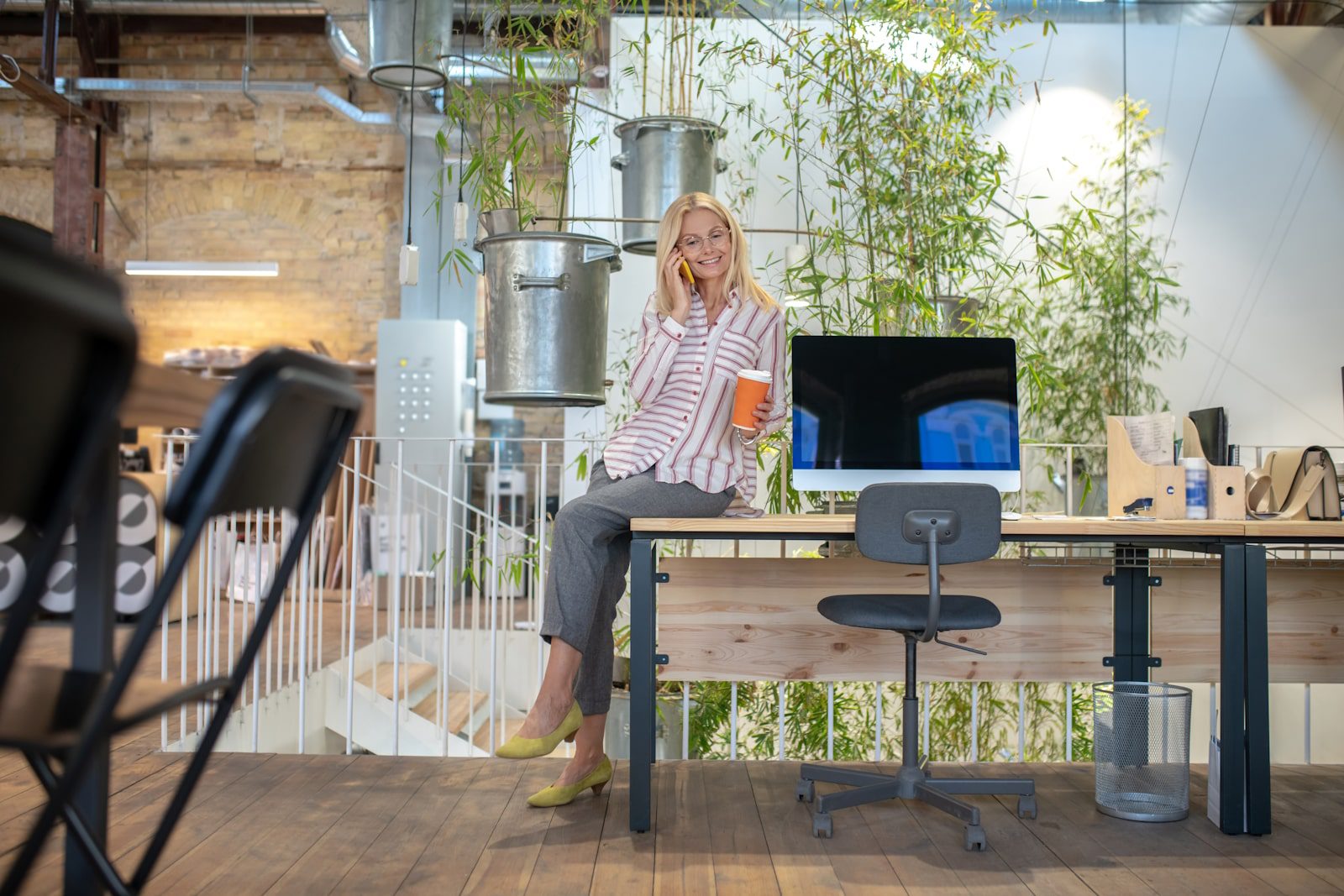
Why Sustainability Is Crucial To Interior Design Companies
In today’s world, sustainability is no longer optional for interior design companies. Clients now demand workspaces that look stunning, work brilliantly and actively reduce environmental harm. From cutting energy bills to attracting top talent, going green has become a core expectation rather than a bonus feature.
The great news is that sustainable design delivers real business advantages without sacrificing style or budget. When interior design companies embed eco-friendly thinking from the very start, they create offices that boost productivity, improve wellbeing, save money over time and position their clients as responsible employers in a climate-conscious market.
The Real Business Case for Sustainable Office Design
Sustainable offices deliver measurable financial and operational wins. Energy-efficient lighting, smart climate systems and clever daylight strategies can slash utility costs by 30% or more, while durable materials reduce the need for frequent replacements and repairs.
Green-certified workspaces also help companies win the talent war. Younger professionals actively seek employers who take climate action seriously, and a thoughtfully designed sustainable office signals genuine commitment. Research consistently shows reduced sick days, higher job satisfaction and productivity jumps of up to 15%.
Finally, sustainable design future-proofs the business. With rising energy prices and stricter environmental regulations on the horizon, offices built with efficiency and responsibility in mind avoid costly retrofits and stay compliant for decades.
Energy Efficiency and Smart Technology That Actually Work
Upgrading to LED lighting can cut electricity use by up to 75%, and pairing it with motion sensors and smart controls ensures lights and heating only run when needed. These simple changes deliver immediate savings and massive carbon reductions from day one.
High-performance glazing, zoned climate systems and renewable-energy readiness take efficiency further. Many of these solutions are now required by building codes or green certification standards, making them essential for forward-thinking businesses.
When interior design companies integrate these technologies at the design stage rather than as afterthoughts, clients enjoy lower running costs, smoother certification processes and a significantly smaller environmental footprint.
How Biophilic and Natural Elements Transform Workspaces
Bringing nature indoors through biophilic design is one of the most powerful tools available to interior design companies. Living walls, indoor plants, natural timber, reclaimed wood and abundant daylight do far more than improve aesthetics; they actively clean the air, lower stress hormones and enhance cognitive performance.
Studies reveal that employees in biophilic offices enjoy up to 15% higher wellbeing and 6–15% productivity gains, alongside fewer sick days. These natural elements create calmer, more creative environments that people genuinely want to work in.
- Living green walls and vertical gardens for air purification and visual impact
- Generous indoor plants chosen for low maintenance and high oxygen output
- Maximised natural light through strategic window placement and open layouts
- Natural materials such as bamboo, cork and reclaimed timber
- Water features or nature-inspired artwork to reinforce the outdoor connection
The result is a workspace that feels restorative rather than draining. Employees report better focus, fewer headaches and improved mood, while the business benefits from higher output and lower absenteeism.
Combining biophilic principles with energy-efficient lighting and smart sensors creates offices that are both healthier for people and kinder to the planet, proving that beauty and responsibility can go hand in hand.
Choosing Materials That Last and Protect the Planet
The materials selected by interior design companies have an enormous environmental impact. Choosing recycled metals, FSC-certified timber, Cradle-to-Cradle fabrics, bamboo flooring and low-VOC paints dramatically reduces embodied carbon while protecting indoor air quality.
Long-lasting, responsibly sourced materials also mean fewer replacements over time. This cuts both costs and landfill waste, aligning perfectly with circular-economy principles that clients increasingly demand.
- Recycled metal and glass for furniture frames and partitions
- Bamboo and cork as fast-growing, renewable alternatives to hardwoods
- Low-VOC or zero-VOC paints and finishes
- Cradle-to-Cradle certified fabrics and carpets
- Reclaimed timber for feature walls and bespoke joinery
- Modular furniture systems designed for disassembly and reuse
Repurposing existing pieces, reupholstering chairs and selecting modular systems extend the life of every fit-out. These choices reduce construction waste and save clients money while delivering beautiful, healthy spaces.
By prioritising durability and responsible sourcing from the outset, interior design companies help clients achieve genuine sustainability without compromising on style or performance.
Flexibility and Adaptability: The Sustainable Choice for the Long Term
Rigid, fixed layouts force expensive and wasteful refits every few years. In contrast, flexible design using modular furniture, movable walls and multipurpose zones allows offices to evolve naturally as teams grow or working patterns change.
This adaptability is one of the most sustainable decisions interior design companies can offer. It eliminates demolition waste, reduces embodied carbon from repeated refurbishments and keeps the workspace relevant for decades.
- Modular desking and storage that reconfigures in hours
- Movable acoustic partitions instead of permanent walls
- Sit-stand desks and height-adjustable benches
- Multipurpose breakout areas that double as meeting or event spaces
- Cable management built for easy future upgrades
Flexible offices also support hybrid working models by providing the right mix of focused, collaborative and social spaces. The result is a lower environmental impact and a higher return on the original investment.
Designing for change rather than permanence creates workspaces that stay useful, cost-effective and environmentally responsible throughout their entire lifecycle.
Who Offers Sustainable and Eco-Friendly Office Design Services?
We at Turnkey Interiors have placed sustainability at the heart of everything we do since 2001. As a leading South African design-and-build specialist, we deliver award-winning commercial and corporate workspaces that combine genuine environmental responsibility with outstanding aesthetics and performance.
Our complete turnkey service handles every stage from consultation and concept through to procurement, fit-out and handover, all with a sharp focus on reducing carbon footprints, improving indoor air quality and delivering measurable cost savings.
- Full end-to-end design, fit-out and refurbishment
- Responsible material selection including recycled and renewable options
- Extensive use of biophilic elements and natural light optimisation
- Energy-efficient lighting, HVAC and smart control integration
- Flexible, modular and future-proof layout planning
- Transparent budgeting and cost-efficient delivery
Every project benefits from director-level involvement, agile project management and a low-overhead model that keeps quality high and prices competitive. We create bespoke, people-centred offices that boost productivity, reflect brand values and stand the test of time, both functionally and environmentally.
Your Next Workspace Can Be Greener, Healthier and Smarter
Sustainability is now fundamental to the success of interior design companies and the clients they serve. A truly green office delivers lower running costs, happier and healthier teams, stronger employer branding and a significantly reduced environmental impact.
Workspaces built with responsibility in mind outperform traditional offices on every metric that matters. Choosing sustainability is no longer just the right thing to do; it is the smart way to build for the future.
If you are ready to transform your workspace into a beautiful, productive and genuinely sustainable environment, we would love to help. Contact the Turnkey Interiors team today for a free, no-obligation consultation and discover how easy it is to make sustainability work for your business.
FAQs About Interior Design Companies
What exactly is sustainable office design?
Sustainable office design creates workspaces that minimise environmental harm while maximising health, wellbeing and long-term cost savings. It includes using responsibly sourced or recycled materials, energy-efficient lighting and heating, biophilic elements such as plants and natural light, and flexible layouts that reduce the need for future refits. The goal is a beautiful office that performs brilliantly today and stays relevant for decades without wasting resources.
Do eco-friendly offices really cost more to build?
Upfront costs can sometimes be slightly higher because of premium sustainable materials and technology. However, the payback period is usually short. Energy-efficient lighting and smart systems can cut utility bills by 30–75%, durable materials reduce replacement costs, and flexible design avoids expensive refurbishments. Most clients find that a green office saves them money within just a few years.
How does sustainable design improve employee productivity?
Natural light, plants, cleaner air and quieter acoustics have been proven to raise productivity by 6–15% and wellbeing by up to 15%. Employees experience less stress, fewer sick days and better focus when the office includes biophilic elements and ergonomic, wellbeing-focused layouts. A sustainable office is effectively a performance-enhancing tool.
Can you make an existing office more sustainable without a full refurbishment?
Absolutely. Many interior design companies offer phased or lightweight upgrades such as adding biophilic features, switching to LED and sensor-controlled lighting, reupholstering furniture with eco fabrics, introducing modular storage, or installing living walls and better plants. These changes deliver big environmental and wellbeing wins with minimal disruption.
Are green certifications like LEED or WELL worth the effort?
Yes, especially for larger organisations. Certifications provide third-party proof of sustainability and health performance, help attract talent and clients who value responsibility, and often qualify companies for tax incentives or lower insurance premiums. Even if formal certification is not pursued, designing to those standards still delivers the same operational savings and wellbeing benefits.
How quickly can a sustainable office fit-out be completed?
With an experienced turnkey team that handles design, procurement and construction under one roof, most projects are delivered noticeably faster than traditional routes, often 25% quicker. Streamlined processes, pre-selected sustainable suppliers and director-level oversight keep everything on schedule without compromising quality.
Will a sustainable office still reflect our brand and look stylish?
Sustainable design has moved far beyond basic “green” aesthetics. Today’s eco-friendly materials, reclaimed timber, recycled metals, beautiful natural fabrics, combined with clever biophilic and lighting design create sophisticated, brand-aligned spaces that look and feel premium. Sustainability and style now go hand in hand.
Where do I start if I want a greener office?
The easiest first step is a no-obligation consultation with a specialist team that understands both sustainability and commercial workspace needs. They will assess your current space, listen to your goals and budget, and show exactly which sustainable solutions will deliver the biggest impact for your business.


Leave a Reply