

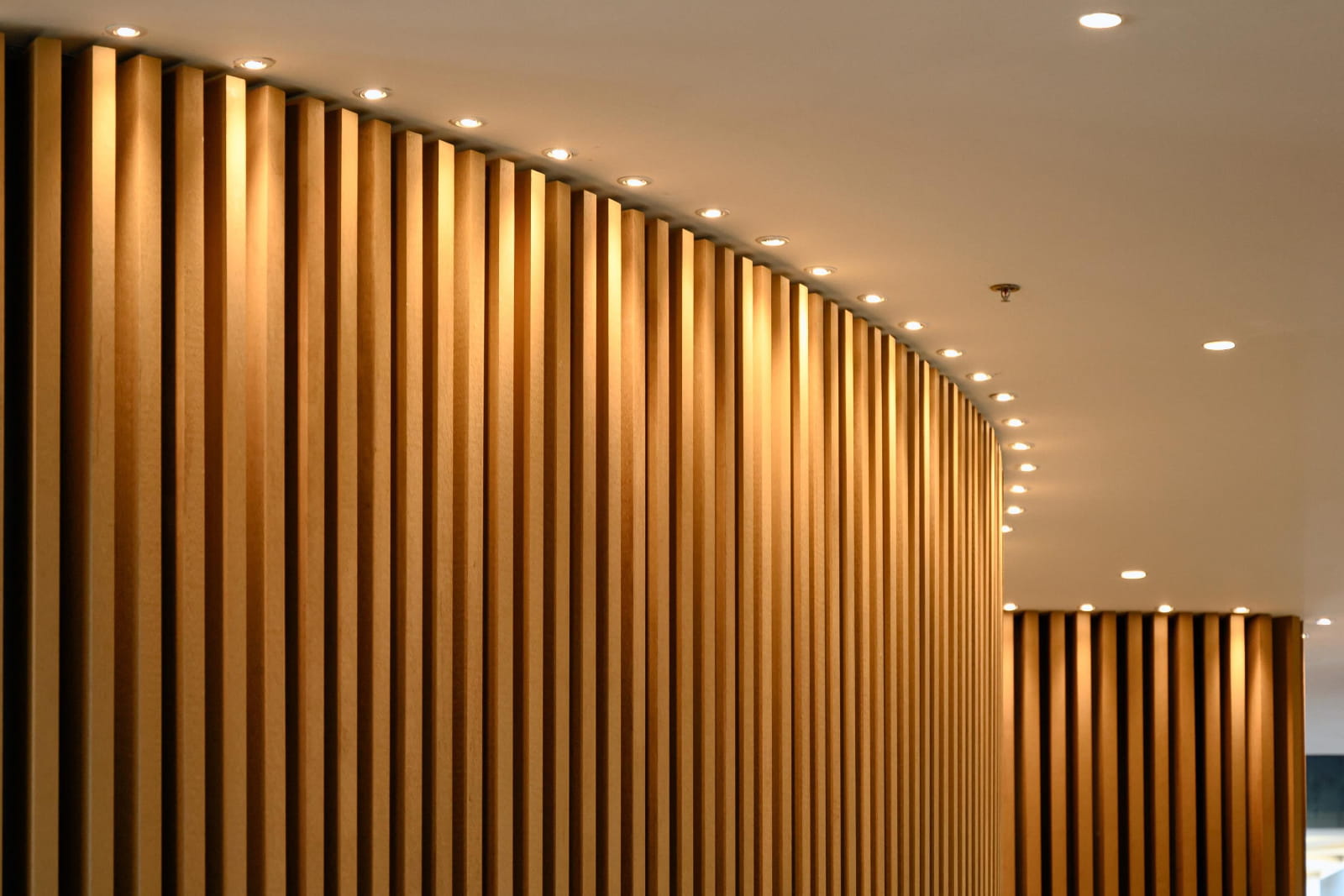
Office Interior Design Firms Utilising Lighting Solutions
Office interior design firms play a major role in creating workplaces that are practical, comfortable and visually strong. Lighting is one of the most important parts of this process because it affects how people see, work, move, focus and feel inside an office. When lighting is planned properly, it supports both the look of the space and the daily needs of the business.
Good lighting does far more than make a room brighter. It can help reduce eye strain, support safer movement, highlight brand features and create the right mood for different work zones. From reception areas to meeting rooms, quiet offices and collaborative spaces, lighting should be planned as part of the full interior design strategy.
Why Lighting Matters in Office Interior Design
Lighting has a direct effect on how people experience a workplace. In an office, poor lighting can make people feel tired, uncomfortable or distracted, while a well-planned lighting scheme can make the same space feel clearer, calmer and easier to use. Research into workplace lighting continues to link lighting quality with employee wellbeing and productivity, showing why it should be treated as a core design decision rather than a finishing touch.
Lighting also changes how interiors are perceived. It can make a small room feel more open, help a large room feel warmer and draw attention to important features such as signage, artwork, textures or brand walls. The way light falls on flooring, furniture, paint and finishes can either strengthen or weaken the design, so it needs to be considered early.
In commercial offices, lighting also supports practical performance. General office work often needs stronger lighting than informal lounge areas, while screen-based work, meeting rooms and circulation routes each require different levels of brightness. This is why office interior design firms need to match lighting choices to real tasks, not just visual preference.
How Office Interior Design Firms Use Layered Lighting
Layered lighting is one of the most effective ways to create a workspace that feels balanced and easy to use. Instead of depending on one central ceiling light, designers combine different lighting layers so each part of the office has the right level of brightness, focus and atmosphere.
This approach works especially well in modern offices because different areas have different purposes. A reception area may need warm, welcoming lighting, while a workstation area needs clearer task support. A boardroom may need adjustable lighting for presentations, discussions and video calls. Office interior design firms use layered lighting to make each zone more useful and more comfortable.
- Ambient lighting: Provides the base level of light across the room so people can move around safely and comfortably.
- Task lighting: Supports focused activities such as reading, writing, desk work, document review and meeting preparation.
- Accent lighting: Highlights features such as artwork, signage, textured walls, displays and architectural details.
- Decorative lighting: Adds personality through pendants, feature fittings or statement pieces that support the overall design.
- Natural lighting: Works with artificial lighting to make the office feel brighter, more open and more energising.
When these layers work together, the office becomes more adaptable. Staff can focus in work areas, relax in breakaway spaces and move through the building with ease. Layered lighting also helps the design feel richer because it adds depth, contrast and visual interest without making the space feel overdesigned.
Key Types of Lighting Used in Modern Workspaces
Before selecting specific fixtures, it helps to understand the different types of lighting used in office environments and how each one contributes to the overall design. Each lighting type serves a distinct purpose, and when combined thoughtfully, they create a balanced, functional and visually appealing workspace.
Ambient Lighting
Ambient lighting is the base layer that makes a space visible, safe and easy to navigate. It usually comes from ceiling lights, recessed fittings, pendants or other broad light sources. In an office, ambient lighting needs to be bright enough for general movement without feeling harsh or flat. This type of lighting sets the overall tone of the workspace and supports comfort as much as visibility. When designed well, ambient lighting creates a consistent level of brightness that allows other lighting layers to function effectively without overwhelming the space.
Task Lighting
Task lighting is more focused and is designed to support specific activities such as reading, writing, working at a desk, reviewing documents or preparing meeting materials. It is often provided through desk lamps, under-cabinet lighting or adjustable fixtures that can be directed where needed. Proper task lighting helps reduce eye strain and improves concentration by providing the right level of brightness exactly where it is required. It is especially important in workstations and meeting areas where detailed tasks are performed regularly.
Accent Lighting
Accent lighting is used to highlight features such as artwork, signage, textured walls, displays or reception areas. It adds depth and visual interest to the office by drawing attention to key design elements. This type of lighting helps create a more dynamic and engaging environment. It can also reinforce brand identity by emphasising specific colours, materials or architectural features within the space.
Decorative Lighting
Decorative lighting, such as feature pendants or statement fittings, can become part of the office identity when used carefully. These fixtures are often chosen for their visual appeal as much as their function. When integrated thoughtfully, decorative lighting enhances the overall design and adds personality to the workspace. It can help define zones, create focal points and contribute to a more memorable and distinctive office environment.
Balancing Function, Mood and Brand Identity
The best workplace lighting solutions do not focus on function alone. They also support the emotional and visual experience of the office. A business may want its office to feel calm, bold, premium, energetic, creative or professional, and lighting can help shape that feeling.
Brand identity is another important part of lighting design. A company’s colours, materials, reception signage, display areas and feature walls can all be strengthened with the right lighting. This is especially valuable in client-facing spaces where the office needs to make a strong first impression.
- Reception areas: Use warm and welcoming light to create a positive arrival experience.
- Workstations: Use clear and comfortable light to support focus without glare.
- Meeting rooms: Include adjustable lighting for presentations, workshops and discussions.
- Breakaway spaces: Use softer light to support informal conversations and relaxation.
- Brand features: Use accent lighting to highlight signage, values, displays or feature walls.
- Circulation areas: Use consistent lighting to support safe and easy movement.
When office interior design firms balance function, mood and identity, the workspace becomes more than a place to work. It becomes a physical expression of the business. The lighting should make daily tasks easier, but it should also help staff, visitors and clients understand the character of the organisation.
Technical Lighting Considerations for Office Interior Design Firms
Lighting may look simple from the outside, but it involves careful technical planning. Designers need to consider brightness levels, glare, colour temperature, light distribution, energy efficiency, emergency lighting and compliance. These details help make sure the space is not only attractive, but safe and practical.
In office settings, lux levels are especially important because different tasks require different levels of illumination. Guidance commonly places computer workstations around 300 lux, general office work around 500 lux and circulation areas around 100 to 200 lux. These figures show why one lighting level cannot suit every space.
- Lux levels: Match brightness to the task and the area of the office.
- Glare control: Reduce discomfort from direct fittings and reflected light.
- Uniformity: Avoid sharp contrasts between bright and dark areas.
- Colour temperature: Choose warmer or cooler light based on the space’s purpose.
- Emergency lighting: Plan escape route lighting early so safety is built into the design.
- Compliance: Consider relevant lighting standards when planning office interiors.
- Controls: Use dimmers, sensors or zoning where suitable to improve flexibility.
In South Africa, SANS 10114-1 is an important benchmark for artificial lighting of interiors, while SANS 10114-2 deals with emergency lighting. These standards cover areas such as illuminance, lighting quality, glare control and emergency lighting requirements, making them useful reference points for office interior design firms planning safe and suitable workspaces.
Energy Efficiency and Smarter Lighting Choices
Energy-efficient lighting is now a major part of office design. Businesses want spaces that look good and work well, but they also want to reduce unnecessary running costs. LED lighting is one of the most practical choices because it uses far less energy than older lighting options and can last much longer. Energy guidance notes that LED products can use at least 75% less energy and last up to 25 times longer than incandescent lighting.
Efficient office lighting is not only about changing bulbs. It also includes zoning, dimming, occupancy sensors and better use of natural light. If a meeting room is not used all day, the lighting should not need to operate at full brightness all day. If an office has strong daylight near windows, artificial lighting can be planned to support darker areas instead of flooding the whole space evenly.
These decisions can make a workplace more cost-effective over time. They can also improve comfort because staff get lighting that better matches the way each area is used. For office interior design firms, energy efficiency should be part of the design conversation from the start, especially when businesses are planning refurbishments, relocations or long-term workplace upgrades.
Where To Find Office Interior Design Firms That Include Lighting Solutions?
Turnkey Interiors provides commercial, company and corporate interior design services for businesses that need practical, brand-aligned and future-ready workspaces. We understand that lighting does not sit on its own. It connects with space planning, layout design, furniture, joinery, construction, building modernisation, productivity, employee wellbeing and brand identity.
We manage workplace projects from concept to completion, helping clients create offices that are functional, efficient and built around real business needs. Our services include consultation, needs assessment, design conceptualisation, space planning, transparent costing, procurement, implementation and project management. We also use 3D visualisations to help clients understand proposed layouts before work begins.
- Commercial interior design: We create business spaces that support productivity, customer engagement and brand identity.
- Company interior design: We design workplaces that encourage innovation, collaboration and employee pride.
- Corporate interior design: We align office interiors with corporate identity, scalability and long-term business needs.
- Space planning: We help businesses use their office footprint more effectively and reduce wasted space.
- Furniture and joinery: We provide bespoke solutions that support function, flow and visual appeal.
- Building modernisation: We help revitalise offices, lobbies, common areas and existing structures.
- Project management: We coordinate the process so clients have one accountable team from start to finish.
With offices in Johannesburg and Cape Town, and experience dating back to May 2001, we support businesses through office refurbishments, relocations, new builds and workplace improvements. Our approach is built around practical design, clear communication and workspaces that support the way modern teams need to operate.
Practical Questions to Ask Before Planning Office Lighting
Before choosing fixtures, it helps to understand how each area of the office will be used. Lighting should be shaped around real behaviour, not guesswork. A quiet work area, reception space, boardroom, kitchen, corridor and breakaway zone will all need different lighting choices.
Businesses should also think about flexibility. Modern offices often support hybrid working, changing team sizes and different types of activity throughout the day. This means lighting needs to adapt, not stay fixed in one mode. Office interior design firms can help identify these needs early and turn them into a more useful lighting plan.
- What tasks happen in each area of the office?
- Where do people need focused lighting for detailed work?
- Where should the lighting feel softer and more relaxed?
- Will staff use screens for long periods in this area?
- Does the space receive strong natural light during the day?
- Are there brand features, displays or walls that should be highlighted?
- Does the lighting need to support presentations or video calls?
- How can glare and reflections be reduced?
- Which areas need emergency lighting or clearer wayfinding?
- Can lighting controls improve energy use and comfort?
Asking these questions early helps prevent costly changes later. It also helps create a workspace where lighting supports the full design, rather than being added at the end. A practical lighting plan should improve comfort, guide movement, strengthen the brand and help staff use the office with ease.
Light Up Your Workspace
Office interior design firms that include lighting solutions can create workplaces that are more comfortable, efficient and visually effective. Lighting affects focus, mood, safety, energy use, brand experience and the way people move through a space. When it is planned properly, it supports both the design vision and the everyday needs of the business.
At Turnkey Interiors, we help businesses transform offices through thoughtful design, space planning, fit-out, refurbishment, furniture, joinery and building modernisation. If your workspace needs better lighting, stronger functionality or a full interior upgrade, get in touch with us. We would be happy to discuss your office needs and help create a workspace that works beautifully from every angle.
FAQs About Office Interior Design Firms
What Do Office Interior Design Firms Do?
Office interior design firms plan and create workspaces that support how a business works every day. Their role can include space planning, layout design, furniture selection, lighting solutions, finishes, branding, fit-out, refurbishment and project management. A good firm looks at the company’s goals, employee needs, workflow, client experience and future growth before creating a design. Lighting is often part of this process because it affects comfort, focus, safety and atmosphere. The best office interior design firms do not only make offices look attractive. They create practical work environments that help people work better and feel more comfortable.
Why Is Lighting Important in Office Interior Design?
Lighting is important in office interior design because it affects how people see, work, move and feel inside the space. Poor lighting can cause glare, eye strain, tiredness and discomfort, while good lighting can support focus, safety and mood. It also changes how colours, furniture, finishes and branding appear. A reception area may need warm lighting to feel welcoming, while workstations need clear lighting for daily tasks. Office interior design firms use lighting to support different zones, highlight key features and improve the overall workplace experience. It should be planned early, not added as an afterthought.
What Lighting Solutions Should Office Interior Design Firms Include?
Office interior design firms should include a mix of ambient, task, accent, decorative and natural lighting solutions. Ambient lighting provides general brightness across the office, while task lighting supports focused work such as reading, writing and screen-based tasks. Accent lighting highlights features such as signage, artwork, textured walls or reception areas. Decorative lighting adds personality through pendants or statement fittings. Natural light should also be considered because it can make offices feel brighter and more open. These layers should work together to create a workplace that is comfortable, practical, energy-efficient and suited to different activities throughout the day.
How Do Office Interior Design Firms Reduce Glare?
Office interior design firms reduce glare by carefully planning fixture placement, brightness levels, surface finishes and light direction. Glare can come directly from a light fitting or indirectly from reflective surfaces such as screens, glossy tables, glass walls or polished floors. Designers can reduce discomfort by using diffused fittings, suitable shielding, softer finishes and better lighting angles. They may also balance natural and artificial light to stop harsh daylight from affecting workstations. This is especially important in offices where staff use screens for long periods. Good glare control helps improve visual comfort, focus and overall employee wellbeing.
Can Office Interior Design Firms Help With Energy-Efficient Lighting?
Yes, office interior design firms can help businesses choose energy-efficient lighting that reduces waste and supports long-term value. This may include LED lighting, dimmable fittings, occupancy sensors, zoning and better use of natural light. Instead of lighting every area at full brightness all day, firms can plan systems around how each space is actually used. Meeting rooms, boardrooms, corridors and breakaway areas may all need different lighting controls. Energy-efficient lighting can lower running costs, reduce maintenance needs and improve comfort. It also supports more responsible office design, especially during refurbishments, relocations and full workplace upgrades.
Where Can I Find Office Interior Design Firms With Lighting Solutions?
Businesses looking for office interior design firms with lighting solutions can work with Turnkey Interiors. We provide commercial, company and corporate interior design services that include space planning, layout design, fit-out, refurbishment, furniture, joinery, building modernisation and project management. We understand that lighting forms part of the wider workplace design, supporting productivity, brand identity, comfort and employee experience. With offices in Johannesburg and Cape Town, we help businesses create practical, future-ready workspaces from concept to completion. Our team uses tailored design thinking and 3D visualisations to help clients understand their office before implementation begins.


Leave a Reply