How Hybrid Work Is Changing Office Design in South Africa
How hybrid work is changing office design is one of the biggest workplace shifts South African businesses are facing right now. Offices are no longer just fixed spaces filled with desks, boardrooms, and filing cabinets. They now need to support a more flexible working week, where employees split their time between home, the office, client sites, and shared work settings. This has changed how companies think about space, furniture, technology, comfort, collaboration, and the overall purpose of the office.
For businesses in Johannesburg, Cape Town, Durban, and other commercial hubs, the office now has to earn its place in the working week. It needs to offer something that people cannot easily get at home, such as better collaboration, stronger team connection, client-facing polish, mentoring, training, brand experience, and specialist work zones. That is why office design is becoming more strategic, more people-focused, and more closely linked to business performance.
Why Hybrid Work Is Changing Office Design
Hybrid work is changing office design because the old one-desk-per-person model no longer matches how many teams operate. Flexible working became much more common during and after the COVID-19 pandemic, and many businesses chose not to return to full-time office attendance. Globally, hybrid work remains a major pattern for office-based employees, with recent workplace research showing that around half of remote-capable workers are in hybrid arrangements.
This matters for South African businesses because workplace decisions are also shaped by long commutes, rising operating costs, load-shedding pressures, changing employee expectations, and the need to use office space more wisely. The office is no longer only a place where people complete individual tasks. It is becoming a hub for teamwork, culture, problem-solving, learning, and connection.
South Africa’s office market also shows why space strategy matters. Recent office vacancy reporting showed that national office vacancies improved to 13.3% in Q2 2025, the lowest level since late 2020, while later reporting showed a further decline to 12.8% in Q4 2025. This suggests that businesses are still using offices, but they are becoming more selective about which spaces make sense.
Smaller Offices Need to Work Harder
One of the clearest signs of how hybrid work is changing office design is the move towards smaller but more effective office footprints. Many businesses no longer need large spaces filled with permanent desks for every employee. If staff are only in the office on certain days, rows of assigned workstations can quickly become expensive dead space.
However, smaller does not mean less capable. A smaller office needs sharper planning because every square metre must support a clear purpose. Underused desks can be replaced with focus rooms, meeting pods, shared tables, breakout zones, client meeting areas, touchdown desks, and wellness spaces. This gives the office more value without simply increasing the floor area.
Key design priorities for smaller hybrid offices include:
- Replacing fixed desks with shared workstations and hot-desking areas
- Creating quiet rooms for focused work and confidential calls
- Adding flexible meeting spaces that support different group sizes
- Using modular furniture that can be moved or reconfigured
- Including touchdown desks for short office visits
- Improving storage so employees can work flexibly without clutter
- Using occupancy data to understand which areas are actually being used
- Planning circulation carefully so the office does not feel cramped on busy days
The goal is to make the office leaner, smarter, and more useful. When space is planned well, businesses can reduce wasted floor area while improving the employee experience. This is especially important in hybrid work environments where peak office days may feel very different from quieter days.
The Rise of Flexible and Activity-Based Workspaces
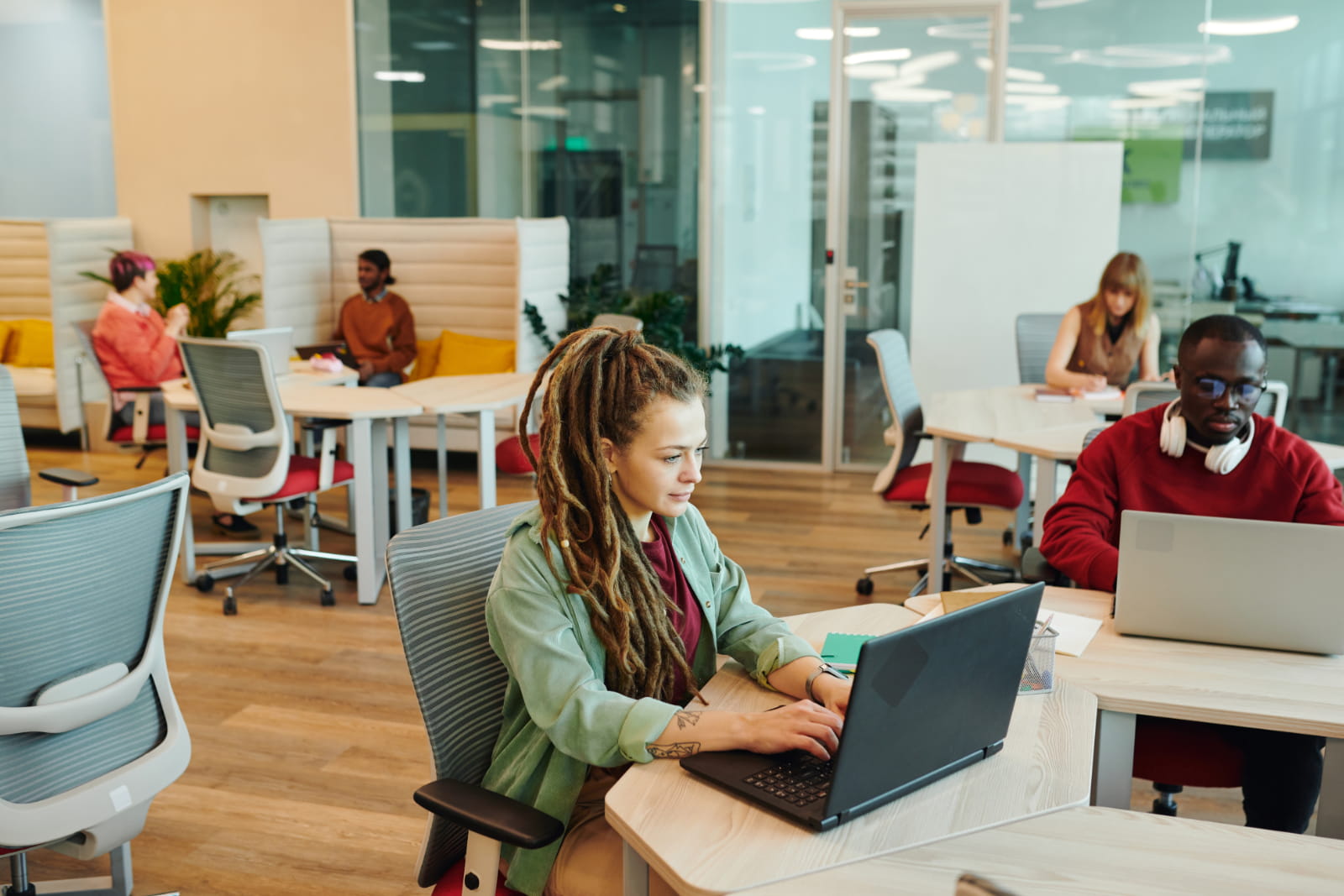
Activity-based working is a major part of how hybrid work is changing office design. Instead of giving every person a fixed desk, the office is divided into zones that support different tasks. Employees can choose where to work based on what they need to do that day, whether that means quiet focus, team discussion, a video call, a client meeting, or informal catch-up time.
This approach suits hybrid work because office attendance is no longer identical every day. Some days may involve workshops and group planning, while other days may require deep concentration. Activity-based design gives teams more choice and helps businesses avoid paying for spaces that only serve one purpose.
Global workplace research involving more than 16,000 office workers has reinforced the need for workplaces that support different work modes, not just desk-based work. Modern office design needs to account for collaboration, focus, learning, social connection, and individual productivity. (Gensler)
Collaboration Is Now the Main Reason to Come In
How hybrid work is changing office design can be seen most clearly in the way collaboration spaces are expanding. If employees commute to the office, the visit should feel purposeful. They should be able to do work that benefits from being together, such as brainstorming, project planning, mentoring, onboarding, client presentations, and problem-solving.
This is why many modern offices are shifting space away from rows of desks and towards project rooms, shared work tables, informal lounges, training areas, and central social spaces. These areas support planned collaboration, but they also encourage the spontaneous conversations that help teams stay connected.
The key is balance. Collaboration should not take over the whole office because employees still need privacy and focus. The strongest hybrid offices create a mix of energetic shared areas, quieter focus settings, and meeting spaces that work equally well for in-room and remote participants.
Privacy and Acoustic Control Matter More Than Ever
Open-plan offices may still be useful, but hybrid work has exposed their weaknesses. When several people take video calls in the same space, noise quickly becomes a problem. Employees also need privacy for confidential conversations, focused tasks, sensitive meetings, and deep work. Without proper acoustic planning, the office can become stressful and unproductive.
This is one of the reasons that led to how hybrid work is changing office design and has become such a practical issue. Good design now needs to manage sound as carefully as it manages layout, lighting, and furniture. Acoustic control is not only about blocking noise. It is about helping people choose the right setting for the task in front of them.
Useful acoustic and privacy features include:
- Phone booths for short calls and virtual meetings
- Focus pods for quiet individual work
- Acoustic wall panels and ceiling treatments
- Upholstered furniture that absorbs sound
- Meeting rooms with proper sound insulation
- Zoned layouts that separate quiet work from active collaboration
- Soft finishes, rugs, curtains, and screens where appropriate
- Clear rules around call areas and quiet zones
When privacy and acoustics are planned properly, the office becomes easier to use. People can collaborate without disturbing others, take calls without feeling exposed, and focus without constant interruption. This improves comfort, productivity, and the overall quality of the office experience.
Technology Has Become Part of the Layout
Hybrid work is changing office design by making technology part of the physical workplace, not just an IT add-on. Meeting rooms now need strong audio, clear video, reliable internet, suitable screens, easy access to power, and layouts that allow remote employees to participate properly. A hybrid meeting should not make remote team members feel like outsiders.
Technology also helps businesses manage the office more effectively. Desk booking, room booking, occupancy tracking, smart lighting, and climate control can all support better space use. These systems help companies understand which areas are busy, which rooms are underused, and where layout changes may be needed.
This is important because hybrid offices are more variable than traditional offices. If Tuesday to Thursday are busy, but Monday and Friday are quieter, the space needs to respond. Data-led planning helps businesses avoid guesswork and adjust their offices based on real behaviour.
Wellness Is Now a Workplace Priority
A major reason why hybrid work is changing office design is that employees now compare the office with the comfort and control they experience at home. If the workplace feels noisy, uncomfortable, badly lit, or poorly planned, people are less likely to see value in coming in. The office needs to support wellbeing, not drain energy.
Wellness-focused design looks at how the workplace affects the body and mind. This includes posture, movement, lighting, temperature, air quality, stress, comfort, and access to spaces where people can reset during the day. Poor design can contribute to fatigue, frustration, distraction, and lower morale.
Important wellness features include:
- Ergonomic chairs with proper support
- Height-adjustable desks and flexible work surfaces
- Natural light wherever possible
- Good ventilation and comfortable indoor temperatures
- Indoor plants and natural materials
- Quiet areas for focused work or decompression
- Breakout spaces for rest and informal connection
- Clear layouts that reduce clutter and visual stress
- Soft lighting in areas designed for calm or focused work
Wellness is not just a nice extra. It is part of how businesses attract employees back to the office and keep them engaged once they are there. A healthy, comfortable office can improve satisfaction, reduce strain, and help the workplace feel like a better alternative to working alone at home.
Biophilic and Sustainable Design Are Gaining Ground
Biophilic design is becoming more important as South African businesses look for offices that feel calmer, healthier, and more human. This design approach brings natural elements into the workplace through plants, timber finishes, natural textures, daylight, green walls, views, and earth-toned palettes. It softens the corporate feel of the office and helps create a more welcoming environment.
Sustainability is also shaping office design decisions. Businesses are paying closer attention to energy-efficient lighting, durable furniture, low-VOC finishes, locally sourced materials, and designs that can adapt instead of being replaced. This is practical as well as ethical, because a longer-lasting workplace can reduce waste and support better long-term value.
These changes reflect a wider shift in workplace expectations. Employees increasingly want work environments that feel responsible, healthy, and purposeful. Clients and visitors also notice when a workspace reflects care, quality, and long-term thinking.
Suburban Offices and Better Locations Are Becoming More Attractive
Hybrid work is changing office design, but it is also changing where offices make sense. If employees are not commuting every day, businesses can think more strategically about location. Accessibility, parking, transport links, nearby amenities, safety, and convenience all influence whether people want to use the office.
South African commercial nodes such as Bryanston, Century City, Sandton, and Rosebank remain attractive because they offer a mix of professional infrastructure and practical access. Suburban office parks can also reduce commuting pressure for some employees while still giving businesses a professional base for meetings, collaboration, and client engagement.
This means building selection has become part of workplace strategy. Before committing to a lease or fit-out, companies need to ask whether the location supports hybrid work, peak office days, client visits, future growth, and employee wellbeing. The right interior design can do a lot, but the building and location also need to support the way the business works.
Brand Identity Is Driving Office Design Decisions
The office has become a physical expression of the company’s identity. This is another important part of how hybrid work is changing office design. When employees, clients, and partners walk into a workplace, the space should communicate what the business stands for. It can express professionalism, creativity, reliability, warmth, stability, innovation, or a sense of local character.
Brand-led office design is not limited to logos on walls. It includes layout, colour, lighting, furniture, textures, meeting spaces, reception areas, social zones, and the way people move through the office. A workplace can tell a story about the business before anyone says a word.
Strong brand identity can be built through:
- Reception areas that create a clear first impression
- Colours and finishes that reflect the company’s personality
- Meeting rooms that suit the tone of client conversations
- Local art, textures, and materials that add authenticity
- Furniture styles that match the company’s culture
- Signage and wayfinding that feel polished and consistent
- Layouts that support the way the brand works and serves clients
- Social spaces that strengthen internal culture
When brand identity is built into the design, the office becomes more than a place to work. It becomes a space that helps employees feel connected to the business and helps visitors understand the company’s values. In a hybrid world, that sense of identity matters because people spend fewer days in the office and each visit needs to feel meaningful.
Office Design Needs Continuous Measurement
A hybrid office should not be treated as a once-off project that ends on handover day. Work patterns change, team sizes shift, and employees may use the office differently over time. That is why ongoing measurement is becoming an important part of modern space planning.
Businesses can track occupancy, meeting room demand, desk usage, employee feedback, comfort levels, and collaboration patterns. This data can show whether the office has too many desks, too few quiet spaces, not enough meeting rooms, or underused breakout areas. It turns office improvement into an ongoing process rather than a guessing game.
This is also where how hybrid work is changing office design becomes a long-term business issue. The best offices are not frozen in one layout. They are designed to adapt, improve, and respond as the organisation changes.
Who Provides Office Space Planning and Design for Businesses?
Turnkey Interiors provides office space planning and design for businesses that need practical, future-ready workspaces. We are a South African corporate interior design and fit-out company with offices in Johannesburg and Cape Town, and we have been operating since May 2001. Our team helps businesses plan, design, build, refurbish, furnish, and modernise commercial workspaces through a full turnkey approach.
We manage the process from consultation, space planning, design conceptualisation, costing, procurement, project management, furniture, joinery, construction, and final implementation. Our services include company interior design, corporate interior design, commercial interior design, space planning, construction, furniture and joinery, and building modernisation. We also use 3D visualisations and strategic planning to help clients understand proposed layouts before implementation, giving them more clarity and confidence during decision-making.
Our expertise is especially valuable for businesses that need:
- Office space planning for hybrid teams
- Company interior design that reflects brand identity
- Commercial interior design for offices, retail spaces, and showrooms
- Corporate interior design for professional work environments
- Design, fit-out, and refurbishment services
- Custom furniture and joinery
- Building modernisation, including lobbies and common areas
- Transparent costing and project management
- Future-ready layouts that can adapt over time
Working with one experienced team helps reduce complexity and improve accountability. Instead of separating design, costing, construction, furniture, and project management across multiple parties, we bring these elements together through a coordinated turnkey process.
How Turnkey Interiors Supports Hybrid Office Design
Our space planning services are especially useful for businesses adapting to hybrid work. We help clients understand how much space they have, how much is actively used, and how it can be improved. This supports better real estate decisions, reduced wasted space, stronger energy efficiency, improved employee experience, and more effective facilities management.
We also design workspaces that reflect brand identity, support productivity, improve collaboration, and make better use of every square metre. Whether a business needs hot-desking areas, quiet zones, boardrooms, custom joinery, flexible furniture, modernised lobbies, or a full office refurbishment, we help create spaces that are practical, attractive, and aligned with long-term business goals.
Our hybrid office design support can include:
- Measuring and analysing existing space
- Aligning layouts with workplace strategy
- Defining occupancy profiles for hybrid teams
- Creating quiet zones, focus rooms, and collaboration areas
- Planning hot-desking and touchdown spaces
- Designing ergonomic and wellness-focused work settings
- Using 3D visualisations to test layouts before implementation
- Managing procurement, construction, installation, and handover
This is how we help clients respond to how hybrid work is changing office design in a practical, structured way. The aim is not to follow every trend, but to create a workspace that supports real business needs, employee wellbeing, and long-term flexibility.
Designing Offices That People Actually Want to Use
How hybrid work is changing office design comes down to one simple idea: the office must now be worth the commute. Employees need spaces that help them focus, connect, collaborate, and feel supported. Businesses need offices that use space wisely, reduce waste, reflect the brand, and adapt as work patterns change.
This is not about adding trendy furniture or creating a showroom-style office that looks good but does not function well. It is about making practical choices that improve daily work. Flexible zones, acoustic control, ergonomic furniture, integrated technology, biophilic design, and thoughtful space planning all help create offices that people can use comfortably and confidently.
South African businesses that get this right will be better placed to manage hybrid teams, attract talent, reduce wasted space, and create stronger workplace culture. The office is not disappearing. It is becoming more intentional, more flexible, and more closely connected to business value.
The New Office Era Starts With Smarter Design
How hybrid work is changing office design is clear across South Africa. The most effective workplaces are no longer rigid, oversized, or purely desk-based. They are flexible, collaborative, wellness-focused, brand-led, and supported by smart planning. For businesses that want to attract people back to the office, the space must offer a better experience than simply working from home.
At Turnkey Interiors, we help businesses create offices that support how modern teams actually work. From space planning and interior design to fit-out, furniture, joinery, and building modernisation, we provide a complete turnkey solution. Get in touch with Turnkey Interiors today, and let us help you design a workspace that works harder for your people, your brand, and your business.
FAQs About How Hybrid Work Is Changing Office Design
How Is Hybrid Work Changing Office Design for South African Businesses?
Hybrid work is changing office design by shifting the focus from fixed desks to flexible, purpose-led spaces. Businesses no longer need every employee in the office every day, so layouts must support hot-desking, collaboration rooms, quiet zones, meeting pods, and informal breakout areas. The office now acts as a hub for teamwork, mentoring, client meetings, and culture-building rather than only individual desk work. Good space planning helps companies reduce wasted floor area, improve employee comfort, and make the office worth the commute. This is especially important in South Africa, where travel time and operating costs influence workplace decisions.
Why Is Collaborative Office Interior Design Important in a Hybrid Workplace?
Collaborative office interior design is important because hybrid teams need meaningful reasons to come together in person. If employees travel to the office, the space should support work that benefits from face-to-face interaction, such as brainstorming, training, project planning, onboarding, and problem-solving. This requires more than a standard boardroom. Businesses need flexible meeting rooms, shared work tables, breakout lounges, video-enabled spaces, and areas where informal conversations can happen naturally. Strong collaborative design also needs acoustic control and privacy, so teamwork does not disrupt focused work. A balanced layout helps people connect while still giving them room to concentrate.
What Role Does Space Planning Play in Hybrid Office Design?
Space planning plays a central role in hybrid office design because it helps businesses understand how much space they need and how that space should function. Instead of guessing, companies can assess occupancy patterns, meeting room demand, workflow, team needs, and underused areas. This makes it easier to decide where to place desks, quiet rooms, collaboration zones, storage, wellness spaces, and client-facing areas. Effective space planning also supports future growth, better energy use, reduced clutter, and improved facilities management. In a hybrid workplace, every square metre should have a clear purpose and support the way people actually work.
What Features Should a Hybrid Office Include?
A hybrid office should include a mix of spaces that support focus, collaboration, comfort, and flexibility. Useful features include hot-desking areas, touchdown desks, quiet rooms, phone booths, meeting pods, video-ready boardrooms, informal lounges, ergonomic furniture, good lighting, plants, and accessible storage. Modular furniture is also helpful because teams can reconfigure the office as needs change. Technology matters too, including reliable internet, room booking systems, screens, and clear audio for hybrid meetings. The best hybrid offices feel easy to use, comfortable to work in, and aligned with the company’s brand, culture, and long-term workplace strategy.


Leave a Reply