

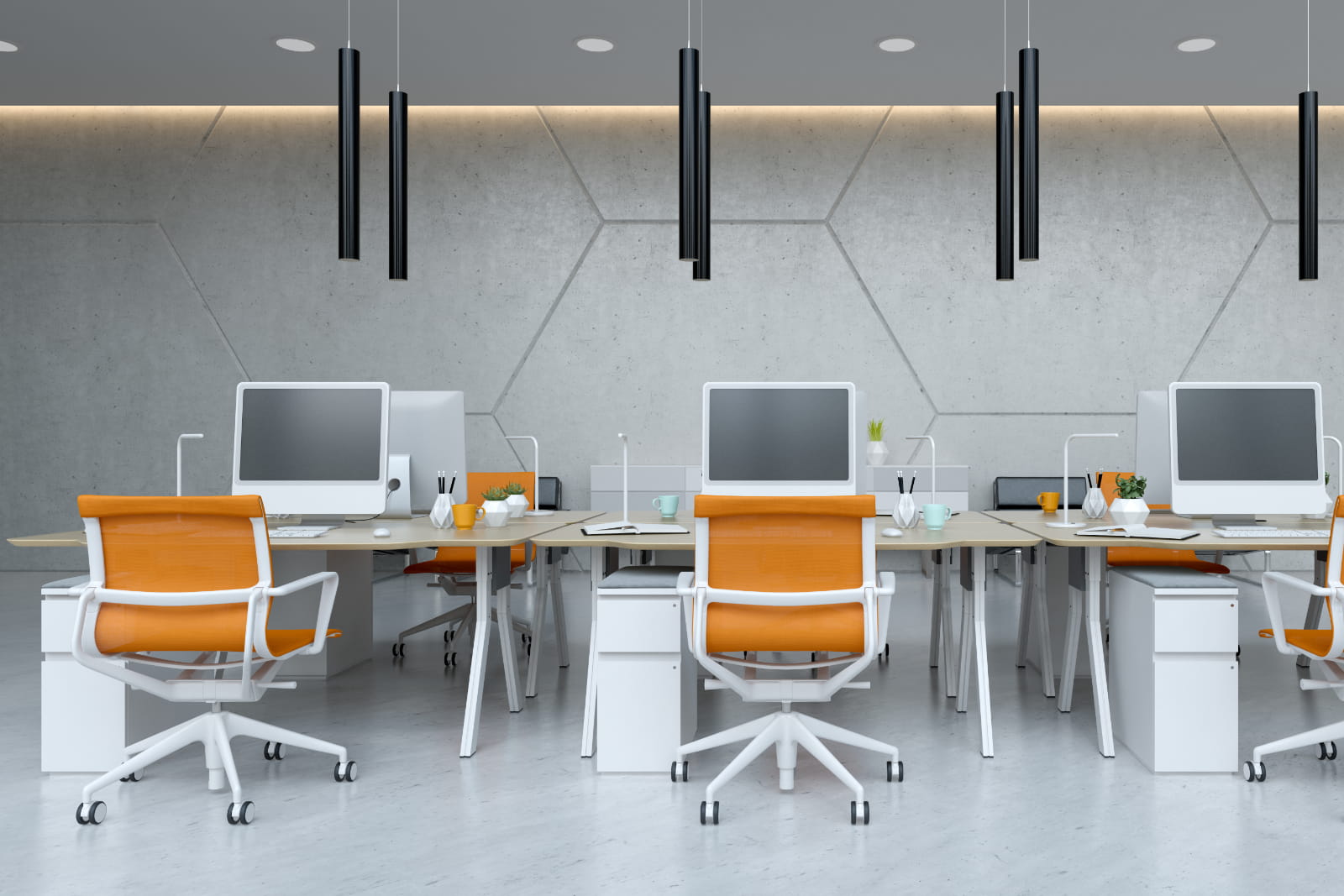
How Interior Design Firms Help Tech Companies Attract Top Talent
Interior design firms play a bigger role in tech recruitment than many people realise. Salary, flexibility and career growth still matter, but the workplace itself has become part of the offer. A well-designed office can show candidates that a company understands how people focus, collaborate, recharge and do their best work.
For tech companies, the office is no longer just a place with desks and meeting rooms. It is a physical expression of culture, ambition and care. When it is planned properly, it helps attract skilled people, support hybrid work and create a stronger reason for employees to come together.
Why the Office Still Matters in Tech Recruitment
The office still matters because tech talent has more choice than ever. Hybrid work has raised expectations, and employees now want the office to offer something they cannot easily get at home. That means better collaboration, stronger social connection, proper focus areas, reliable technology and a sense of belonging.
Research from Leesman found that the workplace experience has improved since 2019, but home working still scores higher than office working overall. This is a clear warning for tech employers. If the office is going to compete with home, it needs to be intentionally designed around people, not just around space.
What Candidates Notice First
- Whether the workplace feels modern, clean and organised.
- Whether there are quiet areas as well as collaboration spaces.
- Whether the office supports hybrid meetings properly.
- Whether the design reflects the company’s brand and culture.
- Whether employees look comfortable, focused and engaged.
These details shape first impressions. A candidate walking into a bright, flexible and well-zoned office will usually read that space as a sign of a forward-thinking company. A cluttered, noisy or tired office can send the opposite message, even if the business itself is doing exciting work.
Interior design firms help tech companies close that gap between what they say and what candidates experience. The right office design makes culture visible. It shows that the company has thought about how people actually work, which can make the opportunity feel more attractive and credible.
How Interior Design Firms Translate Culture Into Space
Interior design firms help turn abstract values into physical spaces. A company that talks about innovation needs areas for quick ideas, workshops and project sprints. A company that values precision and focus needs quiet rooms, acoustic control and calm work zones.
This is important because candidates often judge culture through the environment before they judge it through words. The reception area, meeting rooms, breakout spaces, colours, finishes and layout all communicate something about the company’s priorities.
Ways Culture Can Show Up in the Office
- Brand colours used with restraint and purpose.
- Reception areas that tell the company story.
- Team zones that reflect how departments work.
- Social spaces that encourage informal connection.
- Materials and finishes that support the company’s identity.
- Layouts that reflect trust, openness and collaboration.
A tech company’s space should never feel like a generic office with a logo added at the end. It should feel like the business has been translated into a workplace. This helps employees feel proud of where they work and helps candidates understand the company faster.
When the physical environment matches the brand and the working culture, it builds trust. People can sense when a space is authentic. Interior design firms make sure the office supports the company’s story without turning it into something forced or gimmicky.
Designing for Focus and Deep Work
Tech work needs serious concentration. Developers, engineers, analysts and product teams often need long blocks of uninterrupted time. If the workplace is too noisy or too open, productivity can drop quickly.
This is why open-plan offices need balance. They can support energy and teamwork, but they should never be the only option. A strong tech office gives employees choice, so they can move between shared spaces and quiet areas depending on the task.
Design Features That Support Focus
- Acoustic pods for calls and deep work.
- Quiet rooms away from busy walkways.
- Lower-noise work zones for technical teams.
- Soft finishes that reduce echo.
- Clear zoning between social and focused areas.
- Lighting that supports concentration without glare.
Focus design is not about isolating people. It is about protecting the kind of thinking that tech work requires. Employees should be able to join a brainstorm when needed, then step away and concentrate without friction.
For candidates, this matters because it shows respect for the work itself. A company that invests in deep-work spaces is showing that it understands the pressure and complexity of technical roles. That can be a strong signal to experienced talent.
Creating Collaboration Spaces That Actually Work
Collaboration does not happen just because people sit near each other. A Microsoft Work Trend Index report found that many employees see social connection and team collaboration as major reasons to come into the office. That means the workplace needs to support interaction in a way that feels useful, not forced.
Good collaboration spaces are designed around different types of teamwork. A quick project check-in does not need the same space as a full workshop. A hybrid meeting needs different tools and acoustics from a casual coffee chat. Interior design must make these moments easier.
Collaboration areas should include writable surfaces, flexible seating, proper lighting, good sound control and easy access to power. They should also be positioned carefully, so energetic team spaces do not disturb quiet work areas. This helps teams share ideas without creating constant background noise.
Supporting Employee Wellbeing Through Design
Wellbeing is now a major part of workplace strategy. Gallup reported that global employee engagement fell to 21% in 2024, with lost productivity estimated at hundreds of billions of dollars. For employers, this shows that engagement, wellbeing and performance are closely connected.
Office design can help by reducing stress and making daily work more comfortable. Natural light, better air quality, ergonomic furniture, plants, acoustic control and movement-friendly layouts all contribute to a healthier workplace. These are not luxury extras. They affect how people feel and perform.
The World Green Building Council has also highlighted that office factors such as air quality, lighting, views of nature and layout can affect health, satisfaction and job performance. For tech companies competing for skilled employees, a workplace that actively supports wellbeing can become a clear advantage.
Building Flexibility for Fast-Growing Teams
Tech companies change quickly. Teams grow, project needs shift and hybrid patterns keep evolving. A fixed office layout can become outdated before the furniture has even settled in.
Flexible design helps solve this problem. Modular furniture, movable partitions, adaptable meeting spaces and scalable workstations allow a workplace to change without constant disruption. This supports growth while protecting the original investment.
Flexibility also sends a message to candidates. It shows that the company is not stuck in old ways of working. A future-ready office suggests that the business is agile, practical and ready for what comes next.
Making the Office a Destination
The office has to earn the commute. Employees are more likely to come in when the space offers better connection, better resources and a better experience than working alone at home. This is especially true in tech, where many tasks can be done remotely.
A destination office does not need to be flashy. It needs to be useful, comfortable and energising. The aim is to create a place where people can collaborate, recharge, learn and feel connected to the wider business.
Features That Make the Office Worth Visiting
- Comfortable breakout spaces.
- Coffee and social areas.
- Wellness rooms or calm zones.
- High-quality meeting spaces.
- Project rooms for team sprints.
- Informal seating for quick conversations.
- Reliable spaces for hybrid collaboration.
These features help the office become more than a desk location. They support the human side of work, which is often harder to build through screens alone. This is where culture becomes more tangible.
Interior design firms help tech companies plan these spaces with purpose. Instead of adding perks randomly, they design environments that support connection, creativity and belonging. That makes the office more attractive to both current employees and future hires.
Using Technology Without Letting It Take Over
Tech companies need strong infrastructure, but the office should not feel dominated by cables, screens and clutter. Employees need power, connectivity and meeting technology to work smoothly, but these elements should be integrated neatly into the space.
A well-designed tech office includes smart cable management, convenient charging points, accessible power, strong video meeting spaces and tidy desk setups. These details reduce small frustrations that can build up across the day.
The best approach is to make technology feel seamless. It should support the work without becoming the focus of the room. When people can walk into a space and use it easily, the office feels more professional and less stressful.
Why Sustainability Matters to Top Talent
Sustainability matters because employees increasingly want their workplace to reflect responsible values. A company that invests in energy-efficient lighting, durable materials, natural finishes and healthier indoor environments shows that it is thinking beyond short-term appearance.
For tech companies, this can support both recruitment and retention. Many skilled candidates want to work for businesses that take environmental responsibility seriously. A sustainable office can help make those values visible.
Sustainable Design Choices That Add Value
- Energy-efficient lighting.
- Reused or responsibly sourced materials.
- Indoor planting and biophilic design.
- Low-impact finishes.
- Durable furniture that lasts longer.
- Layouts that reduce waste when teams change.
Sustainable design also supports employee wellbeing. Natural materials, daylight and greenery can make a workplace feel calmer, warmer and more human. That matters in high-pressure tech environments where people need to stay focused and energised.
Interior design firms can help companies make practical sustainability choices that suit the budget and the building. The goal is not to add green features for show. It is to create a healthier, more efficient and more future-ready workplace.
Where Can I Find Interior Designers Experienced With Tech Company Offices?
At Turnkey Interiors, we understand that tech company offices need more than attractive finishes. They need spaces that support focus, collaboration, wellbeing, flexibility and growth. With more than two decades of experience in commercial interior design and fit-outs, we create workplaces that align with business goals, company culture and the way teams actually work.
We offer a full turnkey solution, covering space planning, design, costing, procurement, construction, furniture, joinery and project management. This means our clients benefit from one point of accountability and a clearer process from concept to completion.
How We Support Tech-Focused Workplaces
- Strategic space planning for changing teams.
- 3D visualisations to support confident decisions.
- Custom furniture and joinery solutions.
- Construction and fit-out management.
- Building modernisation where needed.
- Future-ready layouts that support growth.
- Workspaces designed around people, performance and purpose.
Our approach is practical, collaborative and tailored. We know that every company has different teams, workflows, budgets and goals. That is why we focus on creating spaces that work properly, not just spaces that look good on day one.
We also understand the importance of timing, quality and clear communication. By managing the full process, we help reduce complexity and keep projects moving. For tech companies, that means a smoother workplace transformation with less disruption.
Let the Interior Speak for Itself
Interior design firms help tech companies attract top talent by creating workplaces that people want to join, use and stay connected to. The right office can support focus, improve collaboration, strengthen culture, promote wellbeing and show candidates that the company is serious about its people.
If a tech company is planning a new office, refurbishment or workplace redesign, we would be glad to help. Get in touch with Turnkey Interiors and let us work together to create a workspace that attracts great people, supports their best work and grows with the business.
FAQs About Interior Design Firms
What Do Interior Design Firms Do for Tech Companies?
Interior design firms help tech companies plan, design and deliver workplaces that support how technical teams actually work. This includes space planning, ergonomic furniture, acoustic control, collaboration areas, focus rooms, meeting spaces, breakout zones, lighting, branding and technology integration. For tech companies, the goal is not just to create an attractive office. The space must help people concentrate, share ideas, feel comfortable and adapt as teams grow. A good firm will also consider hybrid work, staff wellbeing, future expansion and company culture, making the office a practical business asset rather than just a visual upgrade for recruitment success.
Why Is Office Interior Design Important for Attracting Tech Talent?
Office interior design matters because skilled tech employees often judge a company by the quality of its workplace experience. A well-designed office can show that the business values focus, collaboration, wellbeing and modern ways of working. Candidates notice whether there are quiet areas, comfortable workstations, natural light, good meeting rooms and social spaces. These details suggest how much thought has gone into employee needs. In a competitive talent market, the office can help create a stronger first impression, support company culture and give people a clear reason to see the business as a desirable place to work long-term.
What Should a Tech Company Office Include?
A tech company office should include a balanced mix of spaces for focus, collaboration, social connection and recovery. Key areas often include open work zones, quiet rooms, phone booths, project rooms, meeting spaces, breakout areas, work cafés and flexible team zones. Ergonomic chairs, sit-stand desks, good lighting, acoustic treatments and integrated power are also important. The office should support hybrid meetings, quick brainstorming, deep technical work and informal team interaction. Instead of relying on one layout for everyone, the best tech offices give employees choice, helping them move between different settings throughout the day based on the task at hand.
How Much Flexibility Should a Tech Office Have?
A tech office should be flexible enough to adapt as teams, projects and working patterns change. Technology businesses often grow quickly, restructure teams or shift between remote, hybrid and office-based work. Flexible design can include modular furniture, moveable partitions, reconfigurable meeting rooms, scalable workstations and multi-purpose collaboration areas. This helps companies avoid costly redesigns every time their needs change. Flexibility also supports employees by giving them more choice in how and where they work. A future-ready office should not lock the business into one way of working, but allow the workplace to evolve naturally with its people and priorities safely.
How Can Interior Design Firms Improve Productivity in Tech Offices?
Interior design firms improve productivity by designing spaces that reduce friction and support different working styles. For tech teams, this often means separating noisy collaboration zones from quiet focus areas, improving acoustics, adding ergonomic workstations and ensuring easy access to power and connectivity. Good space planning can place teams near the people they work with most often, reducing wasted movement and improving communication. Lighting, air quality, natural materials and comfortable furniture also affect energy and concentration. When the office is easier to use and better matched to daily tasks, employees can spend more time doing meaningful work with fewer distractions.
How Do I Choose the Right Interior Design Firm for a Tech Office?
Choose an interior design firm that understands both workplace strategy and the specific needs of tech teams. Look for experience in commercial offices, space planning, fit-outs, ergonomics, acoustic design, hybrid working and project management. The right partner should ask about company culture, workflows, growth plans, budget and employee needs before proposing design ideas. It is also useful to work with a firm that offers 3D visualisations, transparent costing and full project delivery. For tech companies, the best design partner will create a workplace that supports focus, collaboration, wellbeing, scalability and long-term business performance from day one.


Leave a Reply