

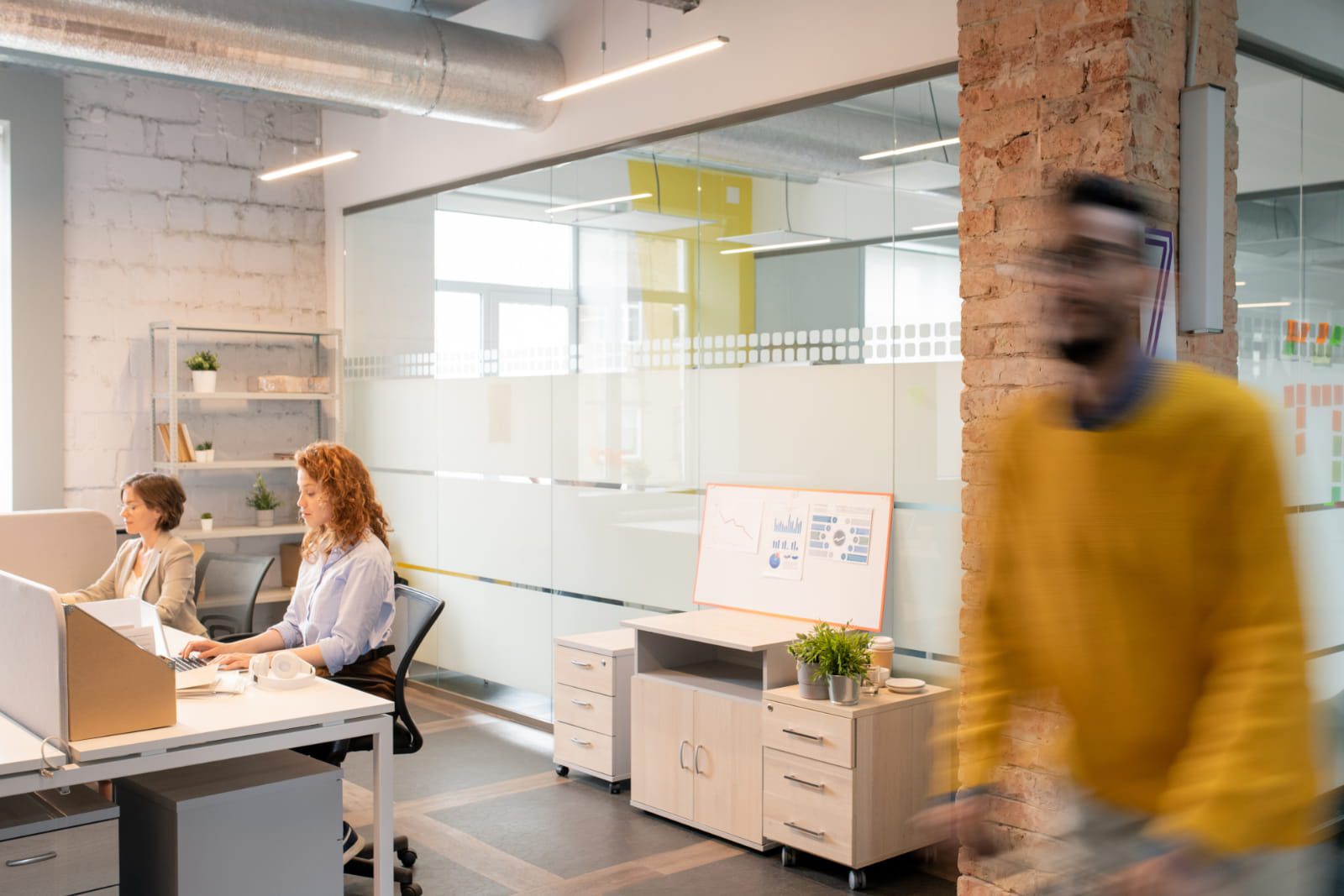
7 Ways Flexible Space Planning Improves Employee Productivity
Flexible space planning is essential for creating office environments that truly support employees. By designing workspaces that can adapt to changing needs, companies can encourage collaboration, focus, and efficiency across the entire team. Thoughtful space planning ensures that every square metre serves a purpose and helps employees perform at their best in a comfortable and motivating setting.
In today’s workplace, productivity is not just about working harder but working smarter. Flexible space planning takes into account different work styles, team dynamics, and hybrid working needs. By creating adaptable layouts, businesses provide employees with environments suited to both focused work and collaborative tasks, supporting overall efficiency and engagement throughout the working day.
1. Supports Different Work Styles
Flexible space planning recognises that employees have unique ways of working. Some require quiet areas for concentration, while others thrive in collaborative zones. By providing a range of work environments, businesses can ensure staff have the right space for the task at hand, which improves productivity and reduces stress.
When employees can choose a workspace that suits their style, they are more engaged and efficient. Proper zoning and thoughtful layout reduce distractions and create a sense of autonomy. Staff can move seamlessly between focus areas, collaboration zones, and casual breakout spaces, allowing them to work in the most effective way possible.
Key benefits include:
- Dedicated quiet zones for concentrated work
- Open areas for teamwork and brainstorming
- Breakout spaces for informal discussions
- Adjustable desks and seating arrangements for comfort
- Easily accessible resources and storage
Providing these options boosts morale and encourages employees to work efficiently. When people feel comfortable in their environment, they are more likely to perform at a high level. Flexible workspaces also allow teams to collaborate naturally without interrupting those who need focused time.
2. Encourages Collaboration
Collaboration drives creativity and innovation, and flexible space planning can make it easier for employees to work together. Open layouts, shared tables, and informal meeting spots promote spontaneous discussions and idea sharing, helping teams generate solutions quickly.
Strategically placed collaboration zones encourage cross-departmental interactions. Employees can move effortlessly from individual workstations to group discussions, saving time and supporting teamwork. Flexible layouts foster a culture of communication where ideas flow freely, leading to more dynamic projects and faster decision-making.
Creating spaces that balance collaborative and private work enhances workflow. Employees benefit from clear boundaries between focused work and team interactions. This approach allows companies to meet diverse work needs without sacrificing productivity or comfort.
3. Reduces Wasted Space
Efficient space planning helps businesses use every part of their office effectively. Poorly used areas can create a cluttered environment and reduce productivity. Flexible layouts, modular furniture, and adaptable zones ensure that no square metre is wasted, making the office feel open and organised.
Optimised spaces prevent employees from spending unnecessary time searching for available desks, meeting rooms, or resources. Strategic planning improves circulation, reduces bottlenecks, and makes the office easier to navigate, creating a more streamlined work environment.
Practical ways space planning reduces wasted space:
- Modular furniture that can be repositioned easily
- Multi-purpose areas for meetings, collaboration, or focus work
- Shared resources like printers and storage placed strategically
- Vacant corners repurposed for breakout or quiet zones
- Adjustable partitions to redefine zones as needs change
By using space efficiently, employees experience less frustration and distractions. The office becomes a more enjoyable and functional environment, allowing people to focus on their work instead of navigating inefficient layouts.
4. Supports Hybrid Work Models
Hybrid work models are increasingly common, with employees splitting time between office and remote work. Flexible space planning supports this by providing adaptable workstations, hot-desking areas, and collaborative zones that cater to varying schedules and occupancy levels.
Flexible layouts help balance office density, prevent overcrowding, and ensure that everyone has access to the space and resources they need. Employees can choose workstations that match their tasks, which improves focus and satisfaction.
Technology integration also plays a role. Modern offices can incorporate easily configurable spaces that connect on-site and remote workers seamlessly, making hybrid models productive without disruption to workflow or communication.
5. Improves Employee Well-Being
Employee well-being is closely linked to productivity. Flexible space planning contributes to comfort and mental health by offering quiet zones, ergonomic furniture, and natural lighting. Thoughtful layouts reduce physical strain and provide spaces where employees can recharge during the day.
Well-planned spaces help employees manage stress and maintain focus. Access to calming areas or breakout zones allows for brief restorative breaks, which can improve mood, energy, and engagement.
Ways space planning improves well-being:
- Ergonomic chairs and adjustable desks
- Quiet or meditation areas for mental breaks
- Clear walking paths to reduce physical strain
- Access to natural light and good ventilation
- Flexible workstations to accommodate personal comfort
Creating a workspace that supports well-being increases satisfaction and retention. Employees feel valued when their physical and mental needs are considered, leading to higher performance and stronger workplace culture.
6. Allows for Growth and Scalability
Businesses evolve, and flexible space planning ensures the office can grow without major disruption. Modular furniture, movable partitions, and multi-purpose areas allow teams to expand or rearrange layouts as needed.
Planning for scalability prevents costly renovations and ensures that workflow remains uninterrupted. Teams can continue working efficiently even as space requirements change.
A forward-thinking approach also aligns office layouts with long-term business objectives. Scalable designs support team growth, hybrid models, and evolving workflows while maintaining comfort and productivity.
7. Enhances Workflow Efficiency
Workflow efficiency is critical for productivity, and flexible space planning helps employees move through the office seamlessly. By considering circulation patterns, proximity to key resources, and logical department arrangements, offices can reduce wasted time and unnecessary movement.
Effective layouts minimise distractions and interruptions, allowing staff to focus on tasks without delays. Logical placement of resources and clear pathways ensure that employees can access what they need quickly and easily.
Ways to enhance workflow with space planning:
- Thoughtful desk placement to reduce movement between teams
- Strategic location of shared resources
- Clear pathways for safety and ease of access
- Zones arranged to support specific tasks or departments
- Flexible layouts that adapt to workflow changes
A well-planned office ensures smoother processes, better communication, and less frustration, enabling employees to perform at their peak consistently.
Who provides office space planning and design for businesses?
We offer expert office space planning and design solutions for businesses of all sizes. Our team manages every aspect of the process, from initial planning and 3D visualisations to layout optimisation, furniture selection, and full project implementation.
Our key services include:
- Comprehensive space planning tailored to your business needs
- Designing adaptable work zones to support different work styles
- Rightsizing layouts to maximise efficiency and reduce costs
- Scalable solutions to accommodate team growth
- Full turnkey project management from concept to completion
With over 20 years of experience, we combine creative design with practical functionality. Our approach ensures your office is productive, flexible, and inspiring, helping your team improve collaboration, well-being, and operational efficiency.
Turning Plans into Productive Workspaces
Flexible space planning plays a vital role in boosting employee productivity. By creating adaptable layouts, optimising workflow, and supporting different work styles, companies can foster collaboration, focus, and well-being. A well-designed office is not just functional but also engaging, helping employees perform at their best.
At Turnkey Interiors, we specialise in designing offices that meet the unique needs of modern businesses. From space planning to full project delivery, we help transform workspaces into environments that support productivity and employee satisfaction. Get in touch with us today and let’s create a flexible, efficient, and inspiring office for your team.
FAQs About Space Planning
What is space planning in an office context?
Space planning is the process of organising and optimising the layout of an office to make the most of every square metre. It involves designing work zones, pathways, collaborative areas, and private spaces to ensure the office is functional, efficient, and supports your team’s productivity. Good space planning also considers ergonomics, natural light, and workflow to create an environment where employees can perform at their best.
Why is space planning important for businesses?
Space planning is essential because the way a workplace is laid out directly impacts employee performance, engagement, and satisfaction. Efficient layouts reduce wasted space, promote better collaboration, support different work styles, and make offices safer and more comfortable. By planning effectively, businesses can also lower real estate costs, improve energy efficiency, and future-proof their workspace as teams grow or adapt to hybrid work models.
Example Title
What services are included in office space planning and design?
Office space planning and design services typically include:
- Assessing your team’s needs and workflow
- Designing functional zones for focused work, collaboration, and relaxation
- Furniture selection and ergonomic layout planning
- Lighting, acoustics, and circulation optimisation
- 3D visualisations and test-fit layouts
- Full project management for implementation from start to finish
How does flexible space planning improve productivity?
Flexible space planning allows offices to adapt to different tasks and work styles. By creating modular layouts, hot-desking options, quiet zones, and collaborative areas, teams can move seamlessly between focus and teamwork. This adaptability reduces distractions, speeds up decision-making, and makes employees feel more in control of their environment, which boosts overall productivity.
Can space planning help reduce office costs?
Yes. By identifying underutilised areas and optimising layouts, businesses can reduce the need for excess office space, lower energy consumption, and improve the efficiency of shared resources. Effective space planning ensures that every square metre serves a purpose, ultimately saving money on rent, utilities, and facilities management.
How long does a space planning project usually take?
The timeline varies depending on the size of the office and the complexity of the project. Initial assessments and layout concepts can take a few weeks, while full implementation, including furniture installation and fit-outs, may take several months. By using structured planning and 3D visualisations, we can ensure timelines are clear and projects stay on track.
Who can help with office space planning and design?
Professional office interior designers and fit-out specialists provide end-to-end space planning services. They combine strategic insight, creative design, and project management to deliver workspaces that are functional, flexible, and aligned with your company culture. Partnering with experienced professionals ensures your office is designed for productivity, employee well-being, and future growth.


Leave a Reply