

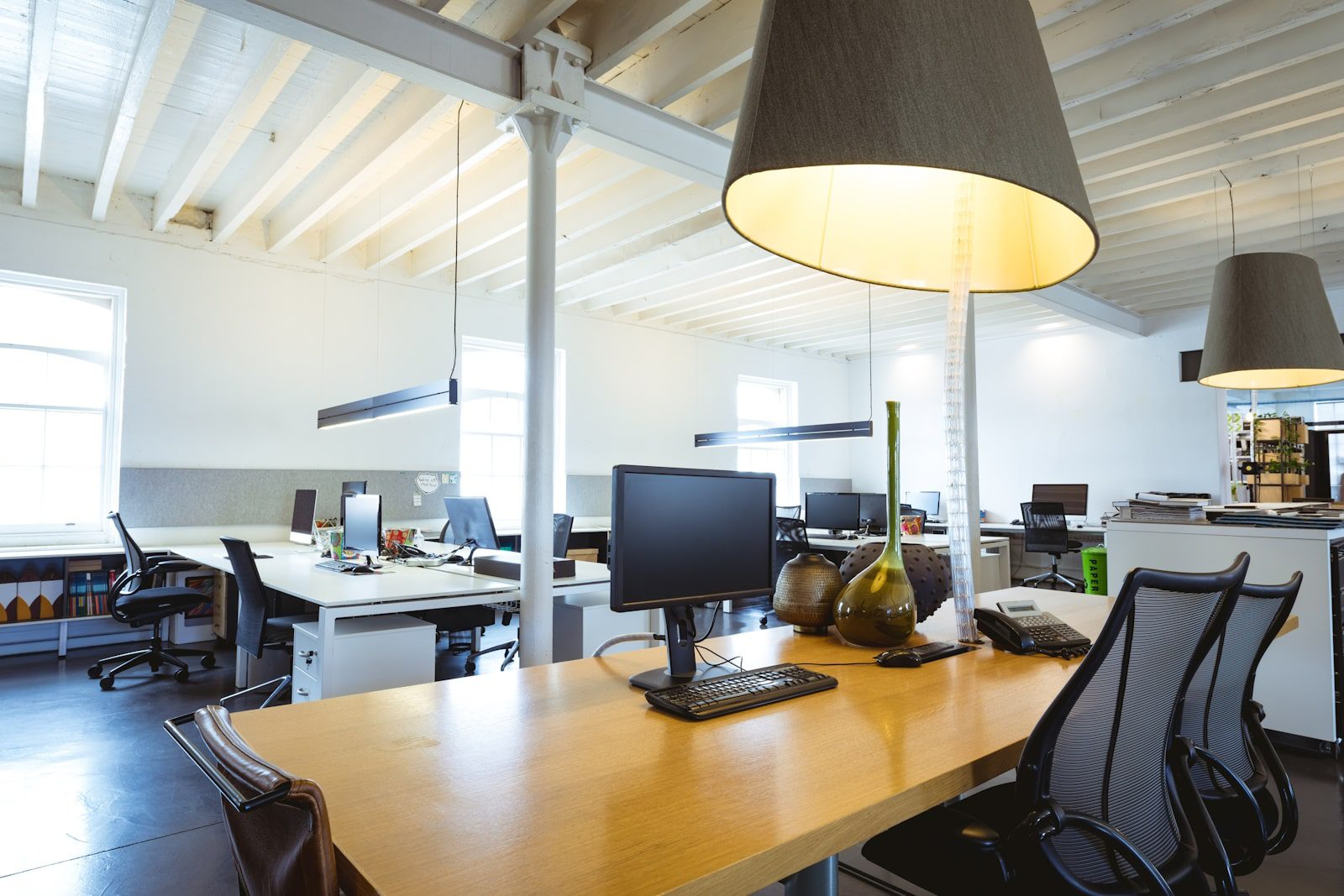
Daylighting Simulations and Design Decisions
Natural light is far more than an aesthetic choice, it is a performance driver that determines how spaces feel, function, and influence human wellbeing. When properly understood, daylight becomes a strategic design tool that shapes comfort, reduces energy costs, and enhances productivity. For a company of interior design, understanding how to integrate daylight into spatial planning is a competitive advantage. By using performance-based design methods, such companies can create workplaces that are not only visually appealing but scientifically optimised for user experience and efficiency.
Why Daylighting Simulations Matter
Daylighting simulations translate intuition into measurable performance. Instead of relying on assumptions, designers can visualise how natural light interacts with materials, geometry, and shading devices throughout the year. This data-driven process enables better decisions early in design, saving both time and resources.
For a company of interior design, daylight simulations unlock opportunities to merge aesthetics with sustainability. The results help balance human comfort, regulatory compliance, and energy efficiency. In South Africa, where climate and energy policy are closely linked, simulations also support compliance with SANS 10400-XA and SANS 204, which promote energy-efficient design practices across commercial buildings.
Fundamentals Of Daylighting
Understanding the science of natural light is the first step toward effective performance-based design. Daylight interacts dynamically with architectural form, material finishes, and surface geometry. By mastering these fundamentals, a company of interior design can create spaces that optimise light penetration, limit glare, and support occupant wellbeing.
Key fundamentals include:
- Solar geometry: The sun’s altitude and azimuth angles change daily and seasonally, influencing how light enters and travels within a space.
- Direct and diffuse light: Direct sunlight provides strong brightness but risks glare, while diffuse skylight creates even illumination. A balance of both is essential.
- Luminance and illuminance: Illuminance (lux) measures light on a surface, while luminance measures how bright that surface appears to the human eye.
- Glare and contrast: Excessive contrast or bright reflections cause visual discomfort and fatigue, impacting productivity and user satisfaction.
By analysing these factors through simulation, designers can adjust orientation, façade design, and materials to achieve balanced lighting conditions.
A company of interior design applying these principles can deliver environments that feel open and energising while remaining functionally efficient. Understanding the interplay between sunlight, material reflectance, and human perception lays the foundation for sustainable design decisions that endure over time.
Daylighting Metrics That Drive Decisions
Quantitative daylighting metrics transform subjective impressions into actionable insights. These measures allow designers to predict performance outcomes and meet international and local standards. For a company of interior design, mastering these metrics ensures each project achieves measurable comfort and energy goals.
Essential daylighting metrics include:
- Daylight Autonomy (DA): Percentage of occupied hours where natural light meets the required illuminance threshold (often 300 lux).
- Spatial Daylight Autonomy (sDA): Percentage of floor area achieving DA levels across the year, reflecting how much of the space is naturally daylit.
- Useful Daylight Illuminance (UDI): Classifies daylight into underlit, useful, or overlit ranges to identify glare and inefficiency.
- Daylight Glare Probability (DGP): Quantifies the likelihood that occupants will experience discomfort from excessive brightness.
- Unified Glare Rating (UGR): Commonly used to assess glare from both daylight and electric lighting sources.
These metrics form the foundation for green building certifications such as LEED and WELL, both of which encourage daylight performance targets aligned with human comfort.
When a company of interior design integrates these standards into its design workflow, it produces spaces that meet sustainability requirements while elevating the user experience. Data-backed design strengthens client trust and demonstrates professional accountability.
Integrating Daylight Simulation Into The Design Workflow
Integrating daylight simulations early and throughout the design process is essential for optimal outcomes. The most effective approach begins during concept development, when key parameters such as orientation and window-to-wall ratios can be adjusted easily.
During design development, simulations incorporate detailed materials, finishes, and furniture layouts. Annual climate-based simulations using EPW data reveal seasonal performance patterns, helping designers anticipate both summer glare and winter lighting challenges.
For a company of interior design, this integration streamlines decision-making and supports collaboration between architects, engineers, and clients. When daylight performance is tested in parallel with aesthetic design, it ensures the final result meets visual, environmental, and budgetary objectives.
Material And Surface Reflectance Matters
Surface reflectance determines how light behaves once it enters a space. High-reflectance ceilings distribute light evenly, while darker surfaces absorb it, reducing brightness. The correct balance creates visual harmony and prevents glare.
A company of interior design can enhance daylight efficiency by selecting materials with appropriate finishes and colours. For instance, matte finishes reduce reflections in open-plan workspaces, and light-coloured walls increase brightness without overpowering users.
These decisions not only impact comfort but also influence artificial lighting needs. Proper material specification can lower overall lighting energy use by 10-20%, demonstrating how detail-oriented design choices translate directly into measurable performance benefits.
Glare Control And Visual Comfort
Glare is one of the leading causes of occupant dissatisfaction in daylit offices. Controlling it requires both predictive modelling and thoughtful design solutions. Tools that calculate Daylight Glare Probability (DGP) and Unified Glare Rating (UGR) allow designers to identify and mitigate potential problem zones.
Effective solutions for a company of interior design include the use of automated blinds, external shading, light shelves, and fritted glazing. These elements redirect and diffuse sunlight, ensuring comfortable and visually balanced interiors.
When properly implemented, glare control strategies maintain high daylight autonomy while reducing visual fatigue. This approach aligns with South Africa’s growing emphasis on workplace wellbeing and energy performance in commercial buildings.
Climate-Based Simulation And Seasonal Variability
South Africa’s diverse climate zones, from coastal humidity to inland aridity, make climate-based simulations indispensable. By using weather files that model annual solar and atmospheric conditions, designers can test daylight strategies under realistic environmental conditions.
For a company of interior design, this ensures every project responds to local climate variations. Overhangs, louvers, and glazing selections are fine-tuned for the latitude, ensuring buildings perform optimally across all seasons.
Seasonal analysis also helps anticipate how daylight affects thermal comfort, allowing designers to balance cooling loads and lighting savings effectively.
Balancing Daylight With Artificial Lighting
Integrating daylight with artificial lighting creates consistency and efficiency. Automated lighting controls such as daylight sensors and dimming systems reduce electricity use when sufficient daylight is available.
A company of interior design can coordinate daylighting with lighting design early in the process, ensuring sensors, fixtures, and layouts work harmoniously. For example, perimeter lighting can dim independently from central zones, maintaining even illumination while reducing waste.
This integration not only meets the lighting requirements of SANS 10400-XA but can also achieve lighting energy savings of up to 55%, particularly in office environments with responsive lighting controls.
Daylighting, Energy Performance And Regulations
Good daylighting design directly influences a building’s overall energy profile. Natural light reduces the need for artificial lighting, yet improper design can increase cooling loads if solar heat gains are not controlled.
In South Africa, energy efficiency regulations such as SANS 204 guide designers on glazing performance, building orientation, and envelope specifications. By incorporating daylight simulations early, a company of interior design ensures that both lighting and HVAC systems operate efficiently without compromising comfort.
This holistic approach produces sustainable buildings that align with national energy goals while reducing operational costs.
Designing For Health And Circadian Rhythm
Daylight affects not only vision but also biological processes, influencing mood, sleep, and productivity. Integrating circadian design principles allows workplaces to promote occupant wellbeing.
Core strategies include:
- Morning light exposure: Position workstations near windows to provide bright, blue-enriched light during the first half of the day.
- Spectral balance: Use glazing that filters excessive UV but maintains natural daylight colour temperature.
- Visual connection: Ensure views of the sky or outdoor greenery to reduce eye strain and promote relaxation.
- Controlled evening lighting: Limit late-day exposure to high-intensity or blue light to support healthy sleep cycles.
By applying these strategies, designers can create biologically supportive spaces that foster concentration and wellness.
A company of interior design that incorporates circadian principles demonstrates a forward-thinking commitment to human-centred design. This not only enhances employee wellbeing but also strengthens corporate culture by aligning physical environments with people’s natural rhythms.
Case Studies And Evidence
Global and local research continues to demonstrate the measurable benefits of daylight integration. Studies show that daylight-responsive dimming systems can achieve lighting energy savings between 30-55%. Meanwhile, climate-based simulations of adaptive glazing systems have recorded up to 19% reductions in whole-building energy use.
For a company of interior design, these findings underscore the importance of simulation-driven design. By using data to inform decisions, designers can achieve spaces that are comfortable, compliant, and cost-efficient while reducing environmental impact.
Where To Find Office Interior Design Firms That Include Lighting Solutions
When seeking an office interior design partner that integrates lighting and performance-based solutions, Turnkey Interiors stands out as South Africa’s trusted leader.
Founded in 2001, Turnkey Interiors has evolved into a company of interior design recognised for innovation and excellence. Our philosophy is centred on people, performance, and purpose. We create intelligent workspaces that reflect organisational identity and enhance productivity.
At Turnkey Interiors, lighting is a key design pillar. We merge daylighting simulations with artificial lighting strategies to deliver environments that feel natural and dynamic. Using 3D visualisation and data-driven tools, we balance brightness, colour, and energy performance to craft workspaces that inspire.
Our turnkey approach covers everything, from concept design and costing to procurement and project management. Our Directors oversee every project to ensure precision and accountability. With transparency and a commitment to excellence, Turnkey Interiors remains the company of interior design that transforms workplaces into future-ready environments.
Illuminating the Future of Workplace Design
Daylighting design is both an art and a science, one that shapes how people experience and interact within built environments. Through simulation and performance-based decision-making, a company of interior design can create workplaces that are brighter, healthier, and more sustainable. The right approach transforms sunlight from a design variable into a measurable performance asset.
At Turnkey Interiors, we combine expertise in daylighting, lighting design, and spatial planning to craft intelligent, human-centred workplaces that meet South African regulatory standards while promoting wellbeing and productivity. Contact us today to see how our company of interior design can help you bring light, comfort, and efficiency into your workspace.


Leave a Reply