

10 Things You Didn’t Know About Interior Design for Companies
Creating a workspace that works for everyone is about more than just picking colours and furniture. Interior design for companies is a strategic tool that shapes the way people feel, collaborate, and perform. The right design can make employees feel inspired, increase productivity, and reinforce your brand identity. From layout and lighting to materials and greenery, every decision matters in creating an effective workspace.
Investing in professional interior design for companies is not just about aesthetics; it is about creating an environment that supports wellbeing, efficiency, and growth. Well-designed offices leave a lasting impression on clients, encourage staff engagement, and ensure that your workspace is both practical and inspiring. Understanding these ten lesser-known aspects of commercial interior design can help you transform your office into a space that truly works.
1. Interior Design for Companies Is a Strategic Investment
Many people assume office design is purely decorative, but interior design for companies is much more than that. Thoughtful workspace design enhances employee productivity, reduces absenteeism, and strengthens company culture. It ensures that workspaces align with organisational goals and foster collaboration while remaining comfortable and functional.
Investing in professional design creates measurable returns. Employees perform better when their environment supports focus and comfort, while clients perceive the company as organised and professional. Strategic interior design also signals that you value your team, creating a workplace that attracts and retains talent.
2. Colour Choices Affect Productivity and Mood
Colour is one of the most powerful tools in interior design for companies. It can influence mood, creativity, and concentration, which makes it essential to select palettes that suit the purpose of each workspace.
- Blues and greens are calming and promote focus.
- Yellow encourages energy and creative thinking.
- Red evokes passion and stimulates discussion, making it useful in collaborative spaces.
- Neutrals provide balance and can highlight other design elements.
By thoughtfully applying colour schemes, businesses can create atmospheres that align with the function of each area. The right colours improve employee wellbeing while enhancing the overall aesthetic and feel of the office.
3. Lighting Impacts Efficiency and Wellbeing
Lighting is more than a practical necessity; it is a vital component of interior design for companies. Natural light boosts serotonin levels, reduces stress, and enhances overall happiness. Artificial lighting must be carefully planned to avoid fatigue, glare, or discomfort, creating a welcoming and productive environment for employees.
Interior designers also use lighting to shape perception, highlighting key areas and creating the illusion of openness. Adjustable or layered lighting options can cater to different tasks and preferences, helping employees work more efficiently and comfortably. Proper lighting design increases focus, reduces errors, and contributes to a positive workplace experience.
4. Open Spaces Encourage Creativity and Collaboration
The way your office is laid out has a major impact on employee behaviour and satisfaction. Open, organised spaces encourage freedom and creativity, while cluttered or cramped layouts can increase stress and reduce efficiency. Interior design for companies balances collaborative areas with private workspaces to support different work styles.
- Clear pathways improve accessibility and flow.
- Flexible spaces allow employees to adapt their environment for meetings or solo work.
- Designated quiet zones enhance focus for complex tasks.
- Multipurpose areas encourage informal collaboration and social interaction.
Thoughtful space planning ensures every area serves a purpose. Employees feel more engaged and motivated when they can move around freely, work comfortably, and interact with colleagues in well-designed spaces.
5. Textures and Materials Influence Comfort
Materials affect how employees perceive and interact with a workspace. Soft, natural fabrics create comfort and a sense of ease, while hard or synthetic surfaces can feel cold and uninviting. Interior design for companies considers tactile experiences to make offices more pleasant and user-friendly.
Using sustainable, natural materials also benefits employee wellbeing. They are often more durable, comfortable, and eco-friendly. Small design choices in textures and finishes can elevate an office from merely functional to an inspiring environment where employees feel valued.
6. Greenery Boosts Calm and Productivity
Plants are a simple yet powerful tool in interior design for companies. They improve air quality, reduce stress, and create a calming atmosphere. Even small amounts of greenery can transform an office, making it a more inviting and productive place to work.
- Potted plants in meeting rooms enhance focus.
- Small plants in break areas encourage relaxation.
- Indoor trees or larger plants improve air quality.
- Biophilic design elements connect employees to nature, boosting wellbeing.
Greenery also has practical benefits, such as reducing humidity and filtering pollutants. Integrating plants strategically throughout the office creates a healthier and more enjoyable environment for employees and visitors alike.
7. Commercial Design Follows Strict Regulations
Interior design for companies is guided by strict safety and accessibility regulations. Hallways, emergency exits, and facilities must meet legal standards to ensure safety and inclusivity for all employees. Compliance with these regulations prevents legal issues and ensures that all team members feel safe and accommodated.
Designers incorporate fire safety measures, ventilation standards, and accessibility requirements seamlessly into office layouts. Following these rules ensures that the workspace is functional, safe, and welcoming, without compromising on aesthetics or employee comfort.
8. Technology Shapes Modern Workspaces
Modern workplaces increasingly rely on technology, making it an integral part of interior design for companies. Smart lighting, adaptable furniture, and interactive features create environments that respond to the needs of employees. Technology also helps streamline workflows, making offices more efficient and collaborative.
Designers carefully integrate tech solutions to avoid visual clutter and distraction. The goal is to enhance the employee experience, ensuring that technology adds convenience and functionality while supporting productivity and engagement across the office.
9. Sustainability Matters
Sustainability is no longer optional in interior design for companies. Using recycled materials, energy-efficient lighting, and layouts that maximise natural light reduces environmental impact while lowering operating costs. Sustainable offices also demonstrate corporate responsibility, which can positively influence employee engagement and brand perception.
Green design extends to furniture, finishes, and waste management practices. Offices built with sustainability in mind support employee wellbeing while contributing to long-term environmental goals. A well-planned sustainable office is both practical and inspiring
10. Collaboration Is Key to Successful Design
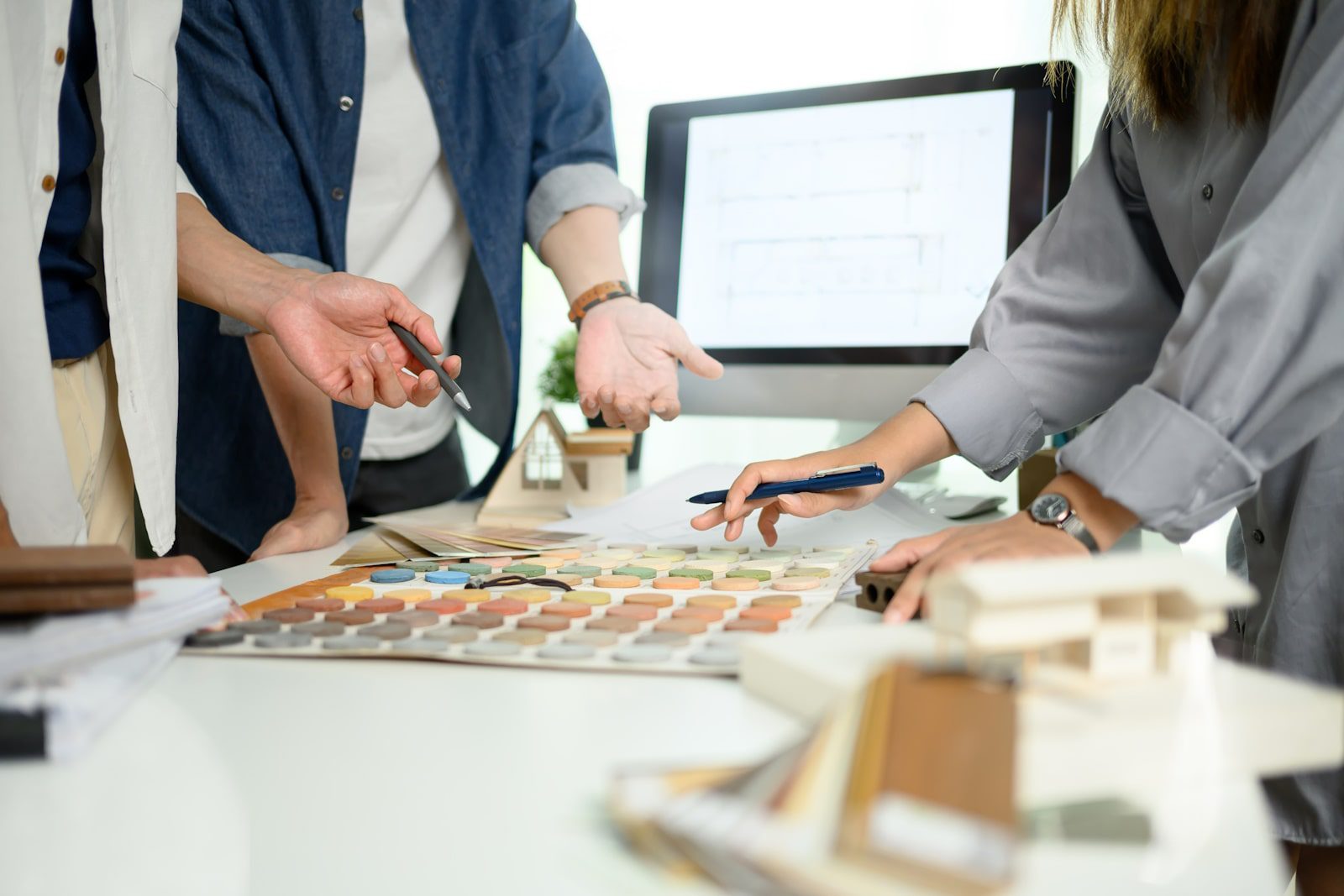
A successful interior design project relies on collaboration between designers, architects, engineers, and company stakeholders. Involving employees in the planning process ensures that the final workspace meets functional needs while reflecting company culture. Interior design for companies works best when all voices are considered.
Open communication helps align budgets, timelines, and operational requirements. Collaborative design results in spaces that are visually appealing, practical, and motivating. Engaging the people who use the space creates a sense of ownership and satisfaction once the office is complete.
Which Service Providers Specialise in Modern Office Interiors?
When it comes to interior design for companies, choosing the right service provider can make all the difference. Modern office interiors require expertise in layout planning, lighting, ergonomics, and technology integration. Working with a professional team ensures that your workspace is not only visually appealing but also functional, safe, and future-ready.
At Turnkey Interiors, we specialise in creating modern office interiors that truly work for your business. With nearly 24 years of experience in commercial interior design, we manage every stage of the process, from space planning and design conceptualisation to project management and implementation. We focus on creating bespoke environments that enhance employee engagement, boost productivity, and reflect your company’s culture. By working with us, you benefit from a turnkey solution that combines creativity, strategy, and practicality, giving your office a distinctive, high-performing edge. Get in touch with us today and let us help you transform your office into a space where your team can perform at their best.


Leave a Reply