

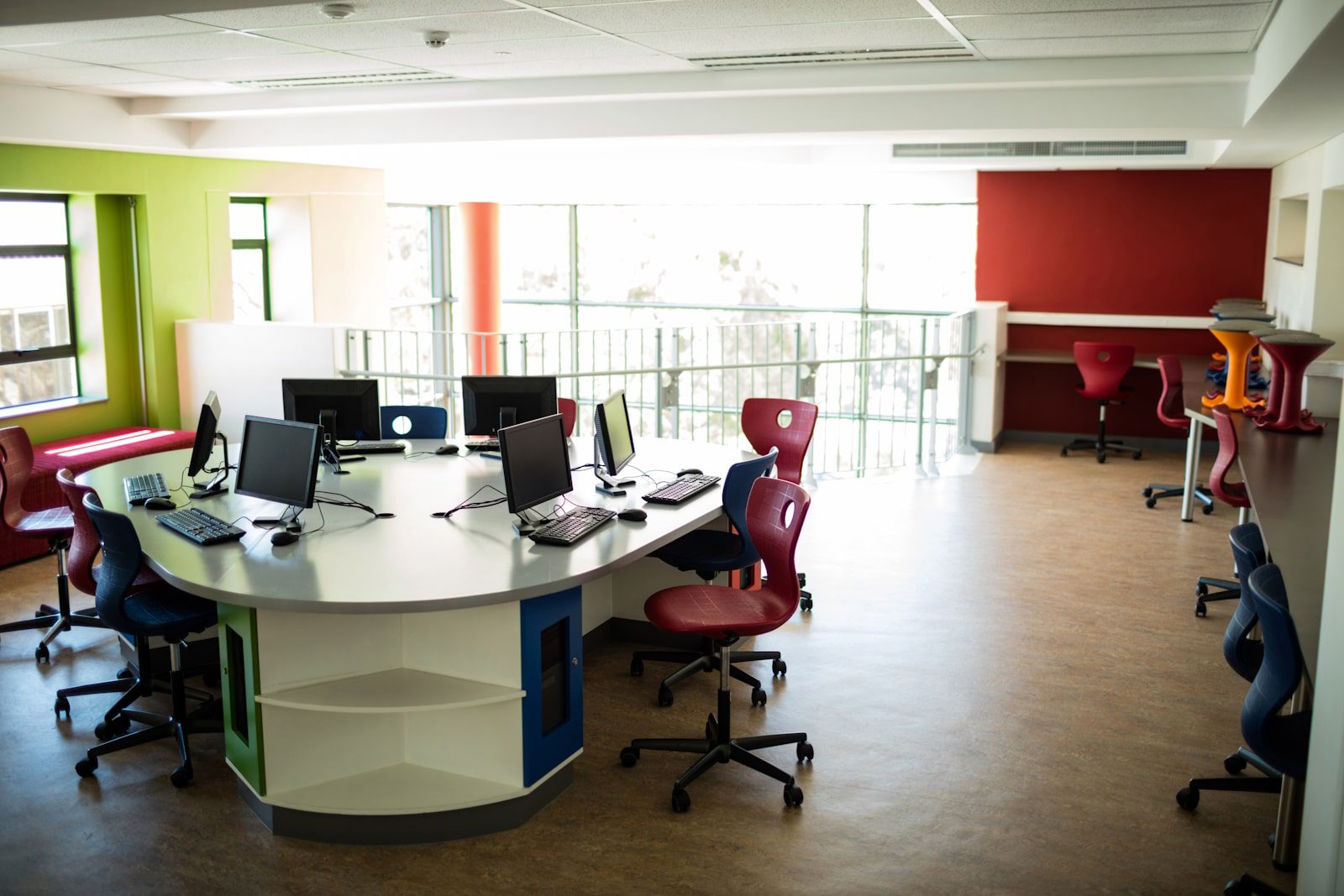
Collaboration Hubs: Connecting In-Office and Remote Teams
The modern workplace is undergoing a transformation, moving away from traditional office setups towards flexible, hybrid environments that accommodate both in-office and remote teams. This shift necessitates the creation of collaboration hubs designed to foster seamless interaction, inclusivity, and productivity. A firm for interior design plays a crucial role in crafting these spaces, ensuring they are equipped with the necessary technology and design elements to support diverse workstyles.
Technology-Integrated Meeting Spaces
In hybrid work environments, the quality of communication between in-office and remote team members is paramount. Meeting spaces must be equipped with advanced technology that ensures clear audio and video, allowing all participants to engage effectively. High-definition cameras, omnidirectional microphones, and large displays are essential components that bridge the gap between physical and virtual attendees. These technologies enable remote participants to feel as present as those in the office, fostering a sense of inclusivity and collaboration.
Moreover, integrating AI-driven systems can enhance the meeting experience by automatically adjusting camera angles and audio levels based on the number of speakers and their positions. This dynamic adjustment ensures that all voices are heard clearly, regardless of their location within the room. By prioritising technological integration, organisations can create meeting spaces that facilitate smooth and efficient hybrid collaborations.
Flexible Furniture Layouts
The adaptability of office furniture is a cornerstone of effective hybrid collaboration hubs. Modular desks, movable chairs, and writable surfaces allow for quick reconfiguration of spaces to suit different meeting types, team sizes, or hybrid workshops. This flexibility ensures that the workspace can evolve with the changing needs of the organisation, promoting both collaboration and individual focus.
Incorporating elements such as mobile partitions and adjustable seating arrangements further enhances the versatility of these spaces. These design choices enable teams to create environments that best support their specific tasks, whether it’s a brainstorming session, a formal presentation, or a casual discussion. A firm for interior design can assist in selecting and arranging furniture that maximises functionality and comfort, contributing to a productive and dynamic work environment.
Acoustic Optimisation
Effective communication in hybrid settings requires careful attention to acoustics. Implementing sound-absorbing panels, white noise systems, and zoning strategies can reduce distractions in open areas while maintaining clear audio for virtual meetings. Acoustic optimisation ensures that all participants, whether in the office or remote, can engage in discussions without audio hindrances, fostering a more inclusive and productive environment.
Strategic placement of microphones and speakers is also crucial in capturing and transmitting sound accurately. Ceiling-mounted microphones and distributed speaker systems can help achieve uniform audio coverage, ensuring that every participant’s voice is heard clearly. By addressing acoustic challenges, organisations can create meeting spaces that support effective communication and collaboration.
Visual Connectivity Solutions
Integrating multiple screens, shared digital whiteboards, and projection systems allows remote participants to collaborate in real-time with in-office teams. This visual connectivity ensures that all participants have equal access to information and can contribute effectively, bridging the gap between remote and in-office team members.
Utilising cloud-based collaboration tools enables seamless sharing of documents, presentations, and other resources, further enhancing the collaborative experience. These tools allow for real-time editing and feedback, ensuring that all team members can actively participate, regardless of their location. By prioritising visual connectivity, organisations can create meeting spaces that facilitate dynamic and inclusive collaboration.
Lighting and Ambience Control
Consistent, camera-friendly lighting is crucial for hybrid meetings. A firm for interior design can implement adjustable lighting systems that cater to both in-office staff and virtual participants. These systems can be programmed to adjust based on the time of day or the nature of the meeting, ensuring optimal visibility and comfort for all attendees.
Beyond functionality, the overall ambience of the workspace plays a significant role in employee well-being and productivity. Incorporating elements such as natural light, plants, and ergonomic furniture can create a comfortable and inviting environment that supports both focus and collaboration. Thoughtful design choices in lighting and ambience contribute to a positive and productive work atmosphere.
Space for Asynchronous Work
Incorporating small focus zones near collaboration hubs provides employees with quiet spaces for individual work before or after meetings. These areas support the need for concentration and personal reflection, balancing the dynamic nature of collaborative spaces with the necessity for solitude in a hybrid work environment.
Designing these spaces with comfortable seating, adequate lighting, and minimal distractions ensures that employees can engage in deep work without interruptions. Providing access to resources such as whiteboards or digital tools allows for seamless transitions between individual and collaborative tasks. A firm for interior design can assist in creating these zones that support various workstyles and enhance overall productivity.
Smart Scheduling & Room Booking
Utilising software that shows real-time availability, desk assignments, and hybrid meeting room capacities can prevent overcrowding and maximise usability. Smart scheduling systems streamline the booking process, ensuring that spaces are utilised efficiently and that both in-office and remote participants have access to necessary resources.
Integrating these systems with existing calendar tools and communication platforms further enhances their effectiveness, providing a seamless user experience. Features such as automated reminders, occupancy analytics, and integration with access control systems contribute to a well-organised and efficient workspace. By implementing smart scheduling solutions, organisations can optimise their hybrid collaboration hubs and support diverse workstyles.
Inclusive Design for Remote Participation
Designing spaces with consideration for remote participants’ engagement is essential. Features such as multiple camera angles, microphones that pick up everyone, and furniture orientation that includes virtual attendees ensure that all participants can contribute equally, promoting a sense of inclusion and collaboration.
Incorporating elements such as adjustable screens and flexible seating arrangements allows for dynamic interaction between in-office and remote team members. Providing access to collaboration tools and resources ensures that all participants have the necessary support to engage effectively. A firm for interior design can assist in creating environments that facilitate inclusive and equitable hybrid meetings.
Health & Wellness Integration
Providing ergonomic seating, standing options, and natural elements in collaboration hubs supports physical well-being during long hybrid meetings. A firm for interior design can incorporate elements such as plants, natural lighting, and adjustable furniture to create a comfortable and health-conscious workspace.
Beyond physical comfort, the overall design of the workspace can influence mental well-being and productivity. Incorporating elements such as noise control, personalised lighting, and access to outdoor spaces can contribute to a positive and supportive work environment. Thoughtful design choices that prioritise health and wellness enhance the overall effectiveness of hybrid collaboration hubs.
Data-Driven Space Optimisation
Using occupancy sensors, meeting analytics, and user feedback allows for continual refinement of hub layouts, improving both remote and in-office collaboration efficiency. Data-driven insights enable organisations to adapt their spaces to the evolving needs of their teams, ensuring sustained productivity and satisfaction.
Implementing these systems provides valuable information on space utilisation, helping organisations make informed decisions about resource allocation and design improvements. Regular analysis of this data can identify trends, challenges, and opportunities for enhancement, contributing to the ongoing optimisation of hybrid collaboration hubs. By leveraging data, organisations can create environments that support effective and efficient collaboration.
Designing hybrid collaboration hubs requires a holistic approach that integrates technology, flexible design, and a focus on well-being. A firm for interior design plays a crucial role in creating spaces that not only support the functional needs of hybrid teams but also foster a culture of collaboration and inclusivity. By investing in thoughtful design, organisations can enhance the hybrid work experience, leading to improved productivity and employee satisfaction.
If you’re looking to transform your workspace into a seamless hybrid collaboration hub, contact Turnkey Interiors. Our team specialises in creating innovative and adaptable office environments that cater to the needs of modern, hybrid teams.


Leave a Reply