

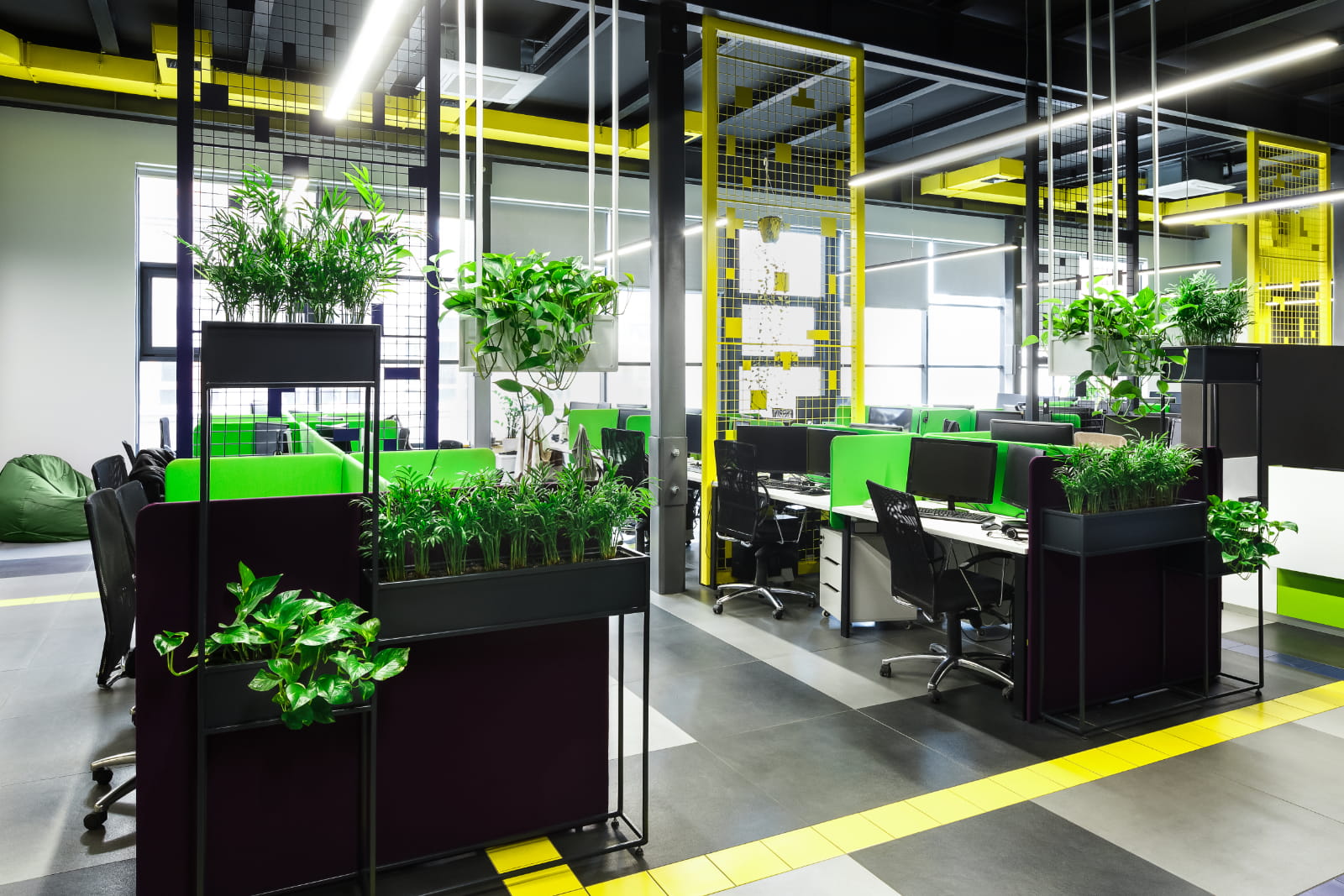
How Interior Companies Transform Tech Offices
Interior companies play a vital role in shaping tech offices into places where people can think clearly, work comfortably and share ideas with confidence. In a tech environment, the office is not just a place to sit with a laptop. It needs to support focused work, quick collaboration, hybrid meetings, creative thinking and employee wellbeing throughout the day.
When planned properly, a tech office becomes an innovation hub. Flexible layouts, seamless technology integration, ergonomic furniture, quiet zones, collaborative spaces, sustainable features and strong brand identity all work together to create a space that helps teams perform at their best.
Why Tech Offices Need More Than Standard Office Design
Tech companies often work at a fast pace, with teams moving between focused tasks, group problem-solving, client calls and informal project discussions. A standard office layout can hold people back if it does not provide the right mix of privacy, flexibility and connection. This is why interior companies need to look beyond basic desks and meeting rooms when designing for tech businesses.
A strong tech office should support how people actually work. It should make it easy for employees to choose the right space for each task, whether they need silence, teamwork, creative energy or a quick reset.
- Quiet zones for focused work and deep thinking
- Breakout areas for informal discussions and team connection
- Flexible layouts that can adapt as teams grow or change
- Meeting spaces that support both in-person and virtual collaboration
- Ergonomic furniture that helps employees stay comfortable
- Brand-led design that reflects the company’s culture
- Sustainable features that support long-term value and responsibility
The goal is to create a workplace that removes friction. When employees can move easily between different types of spaces, they waste less time trying to find the right environment and spend more time doing meaningful work. For tech companies, that can directly support better ideas, faster problem-solving and stronger team engagement.
How Interior Companies Create Flexible Workspaces for Tech Teams
Flexibility is one of the most important parts of tech office design. Tech companies often grow quickly, restructure teams, change project priorities and support hybrid working models. A rigid office can become outdated fast, while a flexible office can keep up with the business.
Interior companies can build flexibility into the space through modular furniture, movable partitions, adaptable meeting rooms and multifunctional zones. These design choices make it easier to reconfigure the office without needing a full redesign every time the company changes.
A flexible workspace also gives employees more control over how and where they work. Some people may need quiet spaces for detailed tasks, while others may need open areas for planning, testing or brainstorming. The best office design gives teams options without making the space feel chaotic.
For tech companies, this adaptability can be a major advantage. It allows the office to support current needs while staying ready for future growth. Instead of becoming a fixed cost that limits the business, the workspace becomes a practical tool that grows with it.
Designing Collaboration Zones That Spark Better Ideas
Innovation often happens when people have the right space to talk, test ideas and build on one another’s thinking. Collaboration zones help make this easier by giving teams dedicated places to gather, share updates and solve problems together. Interior companies can design these areas to feel open, useful and energising without letting them become noisy or distracting.
The best collaboration zones are not all the same. A tech office may need casual breakout seating, project tables, small huddle rooms and larger meeting areas. Each setting supports a different kind of teamwork.
- Open areas for quick team check-ins
- Huddle rooms for focused group discussions
- Breakout spaces for informal idea sharing
- Project zones with practical surfaces and display areas
- Meeting rooms with strong connectivity and clear visibility
- Social spaces that encourage relaxed conversation
- Acoustic planning to reduce noise and distraction
A good collaboration zone should feel easy to use. Employees should not have to struggle with poor lighting, limited power access, uncomfortable seating or awkward layouts. When these spaces are planned well, they encourage natural interaction and help turn casual conversations into valuable ideas.
Supporting Focus Through Quiet Zones and Work Pods
Collaboration matters, but focus is just as important. Many tech employees spend long hours on detailed, mentally demanding tasks. If the office is too open or noisy, it can become difficult to concentrate, which may reduce productivity and increase stress.
Quiet zones, work pods and focus rooms give employees a place to step away from the buzz of the wider office. These spaces are especially useful for coding, planning, analysis, private calls or any work that needs uninterrupted attention.
Interior companies can improve focus areas through acoustic materials, comfortable furniture, calm lighting and simple layouts. The space should feel peaceful but not isolated. Employees should be able to move into focus mode quickly without feeling cut off from the rest of the team.
A balanced tech office gives equal respect to teamwork and concentration. When both are supported, employees can collaborate when they need to and focus when the task requires it. This balance is one of the clearest signs of a well-designed innovation hub.
Prioritising Ergonomics and Employee Wellbeing
Tech work can place real pressure on employees. Long periods at desks, screen-heavy tasks, tight deadlines and high levels of concentration can all affect comfort and wellbeing. Interior companies can help reduce this strain by designing offices that support the body as well as the mind.
Ergonomics should be treated as a core design priority, not an optional extra. Comfortable employees are more likely to stay focused, feel motivated and perform consistently throughout the day.
- Adjustable chairs that support good posture
- Sit-stand desks for healthier movement
- Correct screen positioning to reduce strain
- Natural light to improve energy and mood
- Good ventilation for a fresher work environment
- Quiet areas for mental reset and recovery
- Plants, greenery and natural textures to soften the space
Wellbeing also includes how the office feels. A workplace that is too harsh, crowded or poorly lit can leave people feeling drained. By using natural light, calm materials, good airflow and thoughtful space planning, interior companies can create tech offices that feel healthier and more human.
Integrating Technology Without Letting It Take Over
Tech offices need strong digital infrastructure, but the technology should support the workspace rather than dominate it. Screens, cables, power points, meeting systems and connected devices all need to be planned carefully so employees can use them without frustration.
The best technology integration often feels almost invisible. People should be able to join meetings, charge devices, share content and access digital tools without dealing with cluttered cables or awkward room setups.
Interior companies can achieve this by planning technology into the design from the beginning. This includes placing power where it is needed, hiding cables, allowing for future upgrades and making sure meeting spaces work for both in-person and remote participants.
When technology is integrated well, it improves flow and productivity. Employees can focus on the work itself, rather than wasting time trying to make the room or equipment function properly.
Using Brand Identity to Build a Stronger Workplace Culture
A tech office should reflect the company’s personality, values and way of working. Brand identity is not only about logos on walls. It includes colours, materials, artwork, layout choices and the overall mood of the space. Interior companies can use these elements to create a workplace that feels authentic and memorable.
A strong brand-led office helps employees feel connected to the business. It also gives visitors, clients and potential hires a clear impression of the company’s culture.
- Colour schemes that reflect the brand without overwhelming the space
- Artwork and graphics that communicate company values
- Feature walls that add interest and identity
- Branded meeting rooms or shared areas
- Materials that match the company’s tone and market position
- Décor that makes the office feel welcoming and considered
- Social areas that reinforce team culture
The key is balance. Too much branding can feel forced, while too little can make the office feel generic. A well-designed tech workplace uses brand identity in a subtle, confident way so the space feels professional, inspiring and true to the business.
Making Sustainability Part of Tech Office Design
Sustainability is now an important part of commercial and corporate interior design. Many tech companies want offices that reflect responsible values and reduce waste, energy use and environmental impact. This means sustainability should be considered from the start of the project.
Interior companies can support this through energy-efficient lighting, water-saving solutions, durable materials and layouts that make better use of available space. Choosing long-lasting finishes and adaptable furniture can also reduce the need for frequent replacements.
Biophilic design is another useful approach. Plants, natural textures, daylight and green spaces can improve the feel of the office while supporting employee wellbeing. These features make the workspace feel fresher, calmer and more inviting.
A sustainable office does not need to compromise on style or performance. In fact, it can strengthen the overall design by creating a healthier, more efficient and more future-ready workplace.
Creating Social Spaces That Strengthen Team Connection
Not every important idea happens in a formal meeting. In tech offices, casual conversations can lead to useful insights, better teamwork and stronger relationships. This is why social spaces are an important part of an innovation-focused workplace.
Cafeterias, lounges, coffee points and breakout areas give employees a place to connect away from their desks. These spaces are especially valuable in hybrid offices, where teams may not be together every day. When people are on site, the office should encourage meaningful interaction.
Interior companies can design social spaces with comfortable seating, warm lighting, practical layouts and a welcoming atmosphere. These areas should feel relaxed but still professional, giving employees a reason to use them throughout the day.
A strong social space can improve company culture. It helps people build trust, share ideas informally and feel more connected to the business. Over time, these everyday interactions can support collaboration and innovation across the wider team.
Where Can I Find Interior Designers Experienced With Tech Company Offices?
Tech company offices need more than general workplace design. They need flexible layouts, collaboration zones, quiet areas, ergonomic workstations, integrated technology, sustainable features and a clear expression of brand identity. Interior companies with experience in this space understand how to bring these elements together in a practical and future-ready way.
At Turnkey Interiors, we provide full-service corporate and commercial interior design, including design, fit-out and refurbishment. We work with clients to understand their goals, brand, culture, team structure, workflow and future growth plans.
- Tailored space planning that reflects your operational needs
- Efficient layouts that improve flow and productivity
- Future-ready design that can adapt as your company grows
- 3D visualisations to help you understand the proposed space
- Furniture selection suited to comfort, function and style
- Building modifications where needed
- Transparent costing and budgeting
- Procurement, installation and project management
- Full-service execution from concept to completion
We focus on creating workspaces that are practical, inspiring and built around the people who use them every day. By combining strategic planning with creative design, we help tech companies create offices that support focus, collaboration, wellbeing and long-term business success.
Create Supportive Spaces
Interior companies can transform tech offices into innovation hubs by creating spaces that support focus, teamwork, comfort, technology, sustainability and brand culture. A strong tech workplace is not built around one design feature. It comes from the careful combination of flexible layouts, ergonomic furniture, collaboration areas, quiet zones, integrated systems and meaningful visual identity.
At Turnkey Interiors, we help businesses create future-ready workspaces that reflect who they are and how their teams work. If your tech company is ready to transform its office into a smarter, more inspiring and more productive environment, get in touch with us today. We would be glad to help you plan, design and deliver a workspace built for innovation.
FAQs About Interior Companies
What do interior companies do for tech company office design?
Interior companies help tech companies plan, design and deliver offices that support how their teams actually work. This usually includes space planning, layout design, furniture selection, technology integration, meeting areas, quiet zones, breakout spaces and brand-focused design. For tech companies, the goal is to create a workplace that supports focus, collaboration, hybrid working and employee wellbeing. A professional design team can also help improve flow, reduce wasted space and make sure the office can adapt as the company grows or changes.
Why is office design important for tech companies?
Office design is important for tech companies because the workplace directly affects productivity, creativity, teamwork and employee satisfaction. Tech teams often need different spaces for focused work, group discussions, virtual meetings and informal problem-solving. A poorly planned office can create noise, clutter and frustration, while a well-designed one helps people move easily between tasks. Good office design also strengthens company culture, supports hybrid work and helps attract and retain talent by creating an environment people actually want to work in.
How can interior companies improve collaboration in tech offices?
Interior companies improve collaboration by creating spaces where teams can meet, share ideas and work together without disrupting the whole office. This can include open collaboration areas, huddle rooms, breakout zones, project spaces and informal social areas. The design should also include practical features such as comfortable seating, good lighting, acoustic control, display areas and easy access to power. When collaboration spaces are planned properly, they encourage natural communication, faster problem-solving and better teamwork across departments.
What design features should every tech office include?
A modern tech office should include a mix of flexible work areas, quiet zones, meeting rooms, collaboration spaces, ergonomic workstations and social areas. It should also support seamless technology use, with practical power access, connectivity and virtual meeting spaces. Natural light, greenery, good ventilation and acoustic planning can improve comfort and wellbeing. Brand identity is also important, as colours, artwork and finishes can help the office reflect the company’s culture. The best tech offices balance focus, flexibility, comfort and connection.
How do interior companies support hybrid work in tech offices?
Interior companies support hybrid work by designing offices that work well for both in-person and remote collaboration. This may include flexible desk layouts, shared workstations, video-ready meeting rooms, quiet call spaces and adaptable project areas. The office should make it easy for employees to connect when they are on site, while still supporting digital communication with remote team members. A hybrid-ready design also avoids wasted space by creating multifunctional areas that can change according to team size, attendance patterns and business needs.
How do I choose the right interior company for a tech office?
Choose an interior company with experience in corporate or commercial office design, especially for fast-changing work environments. Look for a team that understands flexibility, technology integration, employee wellbeing, space planning and brand identity. They should offer a clear process, from consultation and design concepts to budgeting, procurement and project management. 3D visualisations are also useful because they help you understand the proposed layout before work begins. The right partner should create a practical, future-ready office that supports both your people and your business goals.


Leave a Reply