

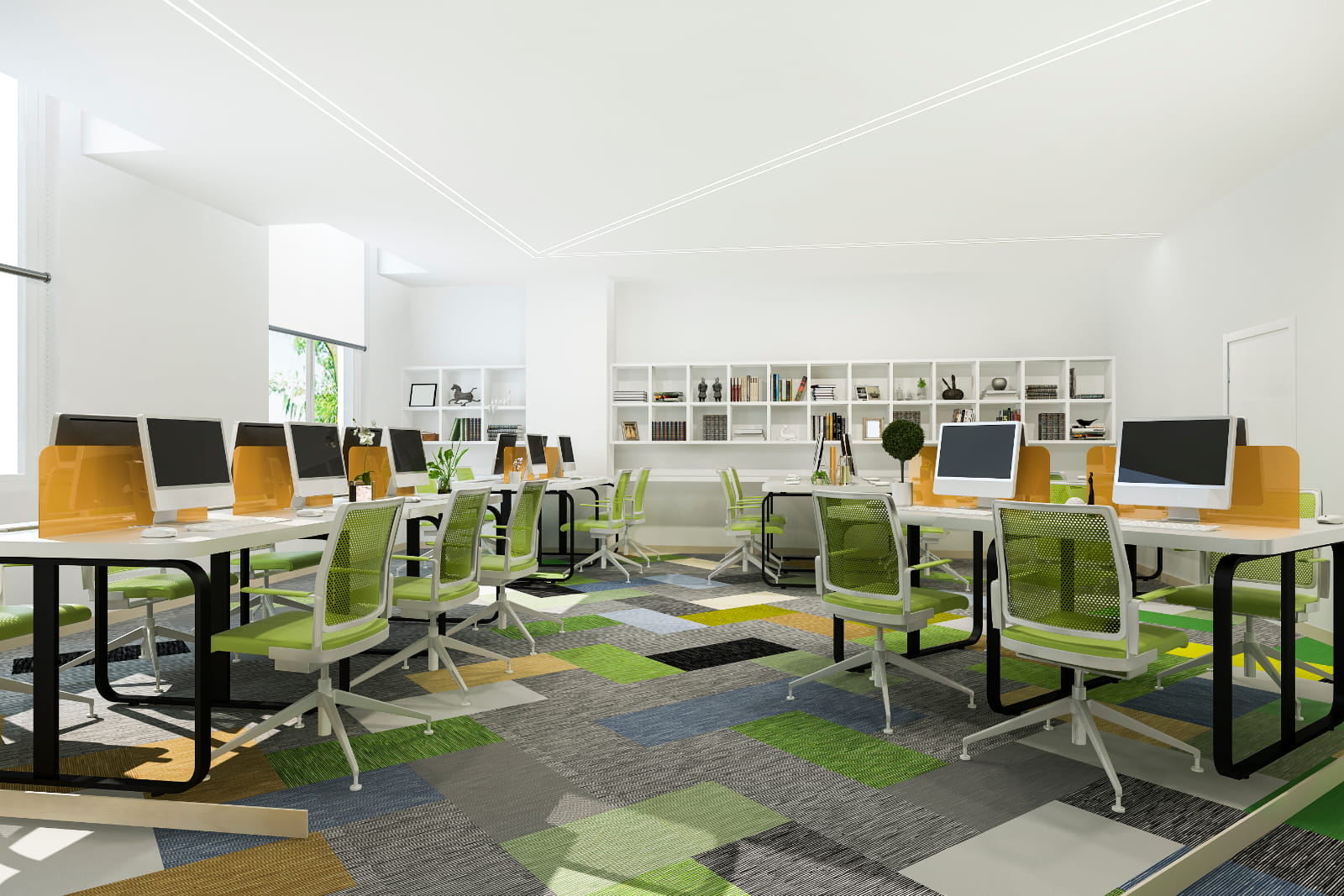
7 Key Elements of a Successful Modern Office Design
A successful modern office design is about much more than aesthetics. It is about creating an environment that supports productivity, enhances well-being, and reflects your company’s identity. Choosing the right company for interior design can make all the difference in turning a basic workspace into a high-performing, engaging environment.
As businesses evolve, so do the needs of their teams. Offices must now support a mix of collaboration, focus, and flexibility while remaining adaptable for future growth. In this guide, we explore the key elements that define an effective office space and how a company for interior design can help bring these elements together.
1. Strategic Space Planning with a Company for Interior Design
Strategic space planning is the foundation of any successful office design. Before thinking about furniture or finishes, it is important to understand how your teams operate. Different departments have different needs, and designing around real workflows ensures the space supports productivity rather than hindering it.
A well-planned layout also considers how people move through the office. Poor planning can lead to congestion, wasted space, and unnecessary distractions. A company for interior design will analyse these patterns and create a layout that feels intuitive, efficient, and aligned with your business goals.
Key considerations:
- Understand team workflows and daily tasks
- Map out movement and traffic flow
- Allocate zones for different activities
- Ensure efficient use of available space
- Plan for future growth and flexibility
By addressing these factors early, businesses can avoid costly redesigns later. Strategic planning ensures every square metre adds value and contributes to a more organised, productive environment.
Ultimately, good space planning creates a strong foundation for everything else in the design. It ensures that collaboration, focus, and comfort are built into the layout from the start, rather than added as an afterthought.
2. Flexible and Future-Proof Design
Flexibility is a defining feature of modern office design. Businesses are constantly changing, and workspaces need to keep up. A rigid layout can quickly become outdated, making it difficult to adapt to new team structures or working styles.
Flexible design allows spaces to evolve without major disruption. Modular furniture, multi-purpose areas, and adaptable layouts make it easier to reconfigure the office as needed. This approach supports hybrid work, team expansion, and shifting priorities without requiring a full redesign.
A company for interior design will always consider long-term use. Instead of designing for today alone, they plan for future scenarios. This ensures that the office remains relevant, functional, and cost-effective over time.
3. Balancing Collaboration and Focus
Collaboration is essential in modern workplaces, but it should not come at the cost of concentration. Open-plan offices encourage communication, but they can also create noise and distractions that reduce productivity if not properly managed.
Providing a mix of spaces allows employees to choose the environment that best suits their task. This balance ensures that teamwork and individual focus can coexist without conflict.
Key considerations:
- Open areas for teamwork and communication
- Quiet zones for focused, uninterrupted work
- Meeting rooms for structured collaboration
- Acoustic solutions to manage noise
- Flexible seating arrangements
A thoughtful balance between collaboration and focus improves overall performance. Employees are more productive when they have control over their environment and can move between spaces as needed.
Designing for both interaction and privacy also supports different personality types and working styles. This creates a more inclusive workplace where everyone can perform at their best.
4. Ergonomics and Employee Wellbeing
Employee well-being has become a priority in workplace design. Poor ergonomics can lead to discomfort, fatigue, and long-term health issues. These problems not only affect individual employees but can also reduce overall productivity and increase absenteeism.
Investing in ergonomic furniture and thoughtful design solutions can prevent these issues. Adjustable chairs, properly positioned monitors, and well-designed desks help support posture and reduce strain throughout the day. Comfortable environments allow employees to focus on their work rather than on physical discomfort.
A company for interior design will also consider broader well-being factors such as air quality, temperature, and access to breakout spaces. By creating an environment that supports both physical and mental health, businesses can improve morale, engagement, and retention.
5. Lighting and Natural Elements
Lighting has a direct impact on mood, energy levels, and productivity. Natural light is particularly valuable, as it helps regulate energy and creates a more inviting atmosphere. Offices that make the most of daylight tend to feel more open and energising.
Incorporating natural elements into the workspace further enhances this effect. Plants, natural textures, and calming colours can reduce stress and improve overall well-being. These elements create a more balanced and enjoyable environment.
Key considerations:
- Maximise natural light where possible
- Use layered artificial lighting for balance
- Avoid harsh or overly bright lighting
- Incorporate plants and greenery
- Use natural materials and textures
Combining good lighting with natural elements creates a healthier workspace. Employees feel more comfortable and engaged, which has a positive impact on productivity and satisfaction.
These design choices may seem simple, but they play a powerful role in shaping the overall experience of the office. When done well, they can transform a space into one that supports both performance and wellbeing.
6. Brand Identity and Company Culture
An office should reflect the identity of the business it represents. It is more than just a place to work. It is a physical expression of company values, culture, and personality. A well-designed space can strengthen brand recognition and create a sense of pride among employees.
Incorporating brand identity into design does not mean overwhelming the space with logos. Subtle elements such as colour schemes, materials, and finishes can communicate identity in a more refined way. These details help create a cohesive and professional environment.
A company for interior design will ensure that the workspace aligns with your brand while remaining functional and comfortable. This balance helps create an environment that not only looks good but also supports the way your business operates.
7. Technology Integration and Smart Functionality
Technology is a critical part of modern office design. It supports communication, collaboration, and day-to-day operations. Poorly integrated technology can lead to inefficiencies and frustration, while smart integration enhances productivity.
Designing with technology in mind ensures that it works seamlessly within the space. This includes planning for connectivity, power access, and meeting room functionality from the outset.
Key considerations:
- Reliable connectivity throughout the office
- Integrated meeting and collaboration tools
- Effective cable management solutions
- Accessible power and charging points
- Smart systems for lighting and efficiency
When technology is thoughtfully integrated, it becomes a natural part of the workspace rather than a disruption. Employees can work more efficiently and collaborate more effectively.
A company for interior design will ensure that technology supports the overall design. This creates a workspace that is not only functional but also future-ready.
Where Can I Get Quotes From Office Interior Design Service Providers?
Finding the right company for interior design starts with choosing a partner that understands your business needs. It is important to work with a team that can offer both strategic insight and practical execution, ensuring your office delivers real value.
We believe that a successful project begins with a clear understanding of your goals. By combining planning, design, and project management, we help businesses create spaces that are aligned with their culture and objectives.
What we offer:
- Full-service design and build solutions
- Workplace strategy and needs assessment
- Space planning and layout design
- Transparent costing and budgeting
- Project management and implementation
We take care of every stage of the process, from concept to completion. This allows you to focus on your business while we handle the details. Our approach is built on clear communication, flexibility, and a commitment to quality.
With our experience and expertise, we create workspaces that improve productivity, support wellbeing, and adapt to future growth. By working with a trusted company for interior design, you can ensure your office is designed to perform.
A Comprehensive Solution
A successful modern office design combines strategy, functionality, and a deep understanding of how people work. From space planning and lighting to wellbeing and technology, each element contributes to a workspace that supports both employees and business goals. Working with the right company for interior design ensures that these elements come together cohesively and effectively.
If you are ready to transform your workspace, we are here to help. At Turnkey Interiors, we deliver tailored solutions that align with your vision and business needs. Get in touch with us today and let us create a workspace that drives performance and inspires your team.


Leave a Reply