

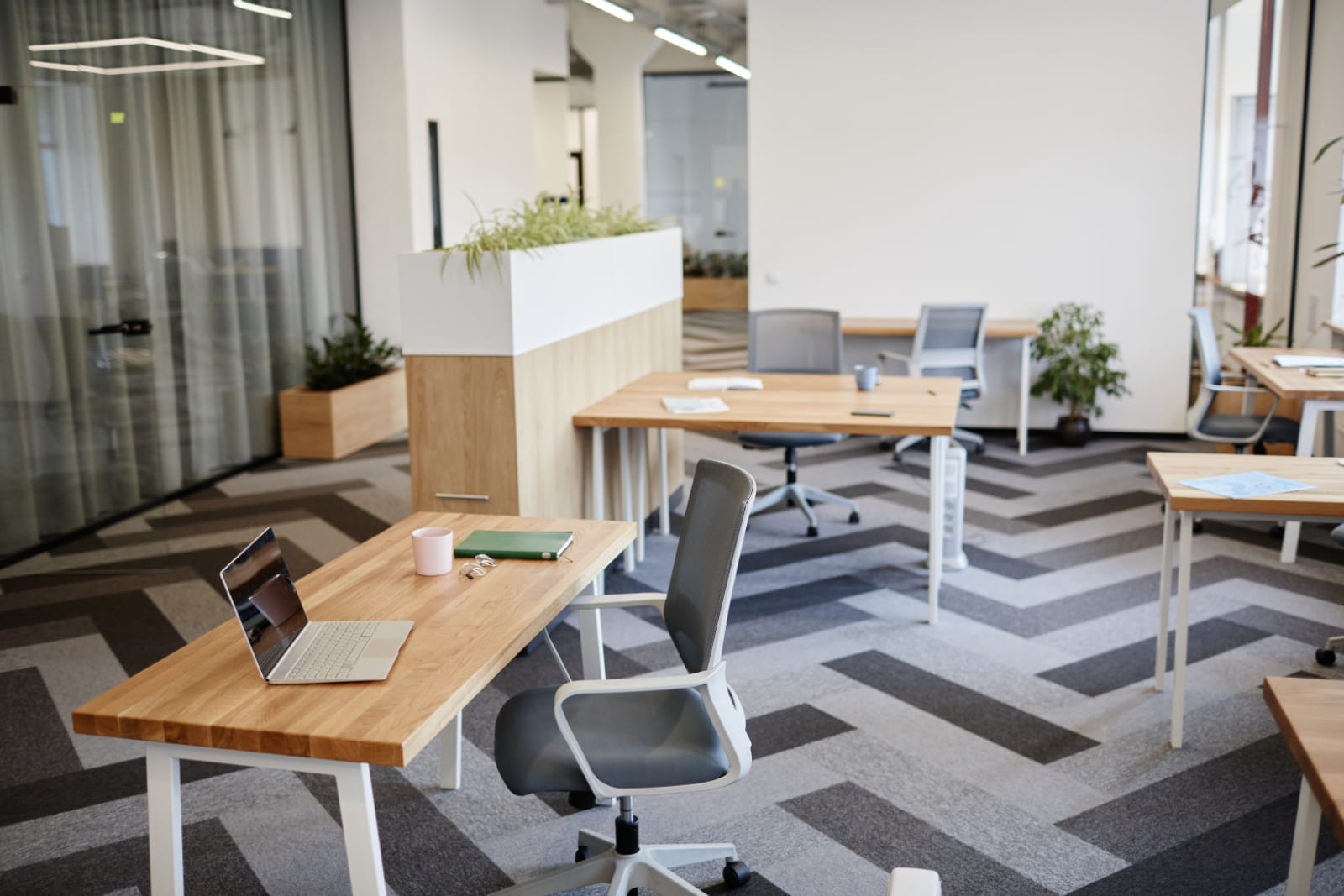
Natural Light and 4000K Bulbs: Biological Performance Enhancers
Creating a high-performance workplace requires more than just high-speed internet and comfortable chairs. To truly “overclock” your team’s mental capacity, you must consider the environmental inputs that fuel cognitive function. Natural light and 4000K bulbs are the biological performance enhancers your office needs to maintain a steady state of concentration and reduce the physical “drag” of eye strain. When you align your physical workspace with the natural rhythms of the human body through expert interior design offices, you transform the workplace into a precision tool for success.
Investing in a scientifically lit environment is a strategic business decision that protects your most valuable asset: your people. Poor lighting is a primary cause of headaches, drowsiness, and blurred vision, all of which lead to a significant drop in operational output. By prioritising the right luminescence, you are not just decorating a room; you are engineering a space that supports long-term health and maximum daily productivity. Leading interior design offices recognise that light is a biological requirement that directly influences the company’s bottom line.
The Science of Biological Lighting in Interior Design Offices
Effective interior design offices treat lighting as a functional requirement rather than a purely aesthetic choice. Natural light is the gold standard because it supports our circadian rhythms, which regulate sleep, mood, and energy levels throughout the workday. A Cornell University study found that workers in naturally lit environments experienced an 84% reduction in eye strain and headaches. Positioning workstations near windows ensures that your team stays alert and engaged, directly impacting the speed and accuracy of their work while reducing the need for artificial intervention.
When natural light is unavailable or needs a boost, artificial sources must be calibrated correctly to maintain performance. A colour temperature of around 4000K is ideal for focus-driven zones because it mimics the clarity of midday daylight. This “cool white” light promotes alertness and mental sharpness, making it perfect for production rooms, writing corners, and open-plan areas. Using the wrong temperature, such as overly warm yellow light, can lead to mental fatigue and a decrease in cognitive speed, so getting this technical detail right is essential for maintaining a high-output workspace.
In addition to temperature, the placement of light sources is vital to prevent glare on computer screens. Glare forces the eyes to constantly readjust, leading to rapid fatigue and “computer vision syndrome.” By ensuring that screens do not face windows or direct light sources, interior design offices create a low-friction visual environment. This technical alignment allows employees to settle into “deep work” without the physical distractions of squinting or adjusting their posture to see their monitors clearly, ensuring the office machine runs at peak efficiency.
Balancing Ambient, Task and Accent Lighting
A professional approach to interior design offices involves layering three specific types of light to eliminate shadows and ensure every corner of the workspace is functional. Relying on a single light source often creates high-contrast areas that strain the eyes and make the office feel drab or clinical. By implementing a tiered lighting strategy, you can control the mood and utility of different zones based on the specific tasks being performed.
- Ambient Lighting: The base layer of illumination that provides overall visibility and sets the tone for the entire room.
- Task Lighting: Focused, adjustable light sources like desk lamps that illuminate specific work surfaces for reading or writing.
- Accent Lighting: Directional light used to highlight architectural features, plants, or brand logos to create visual depth.
Layering these elements ensures that the “human hardware” has exactly the right amount of light needed for any given task. Ambient light provides the safe baseline, while task lighting allows for the personalisation of individual workstations to suit different body types and visual needs. This reduces the muscular effort required to focus, which in turn prevents the poor posture and neck pain associated with leaning into a screen.
Furthermore, accent lighting serves a psychological purpose by making the office feel more professional and inviting. When a workspace is aesthetically pleasing and properly lit, it fosters a sense of pride and value among employees. By balancing these three levels, you ensure that there are no dark spots that force the eyes to work harder than necessary. This holistic strategy keeps the workforce running smoothly for the duration of the shift, preventing the late-afternoon energy crash often caused by poor visual environments.
Maximising Natural Light and Ventilation
Harnessing natural light and fresh air is one of the most cost-effective ways to improve the performance of your office. Beyond the obvious visual benefits, sunlight provides a psychological boost that increases job satisfaction and reduces stress levels. Strategic space planning in interior design offices involves placing high-traffic collaborative zones and individual desks in areas with the most window access to ensure the highest possible biological ROI.
- Window Proximity: Placing desks within reach of natural light to reduce the 10% drowsiness spike seen in artificially lit offices.
- Air Quality: Using ventilation systems and air purifiers, scoring 61% higher on cognitive function tests.
- Indoor Greenery: Incorporating plants like peace lilies and spider plants to naturally detoxify the air and calm the mind.
Strategic placement of furniture ensures that the majority of the workforce benefits from the energy-boosting properties of daylight. This move reduces the company’s reliance on artificial power while measurably increasing overall morale and alertness. When employees have a view of the outdoors and access to natural rhythms, they are more likely to remain in a “flow state” for longer periods, which is essential for high-value creative and analytical tasks.
Ventilation acts as the silent partner to lighting in maintaining biological performance. Good air quality ensures that the brain is receiving the oxygen it needs to function at full capacity without the “brain fog” caused by stale, CO2-heavy air. By combining natural light with superior air quality through professional interior design offices, you create a vibrant environment that naturally encourages problem-solving. This dual approach ensures that the office is not just a place to sit, but a biological engine for innovation.
Reducing Mental Fatigue with Temperature and Acoustics
While lighting is a primary driver of focus, the biological performance of your team is heavily influenced by the climate and sound of the room. Controlling these variables is a form of environmental engineering that shields your team from the fatigue that triggers downtime. In South Africa, managing the “office machine” means ensuring that the physical atmosphere is tuned to the specific needs of the human body.
- Temperature Calibration: Maintaining a consistent 22°C to prevent the lethargy caused by heat or the distraction of the cold.
- Sound Absorption: Using acoustic panels and carpets to “Absorb, Block, and Cover” disruptive background noise.
- Zone Separation: Creating quiet cubicles for deep work and open areas for loud collaboration to manage acoustic flow.
Acoustic engineering is a technical requirement for any modern office looking to eliminate “noise friction.” Excess noise is a major distraction that interrupts cognitive processes and increases the mental effort required to finish a task. By using soft surfaces and sound-blocking technology, you create a quieter environment that supports sustained focus and clear communication. This ensures that the “mental batteries” of your staff are not drained by the constant need to tune out distractions.
Temperature control is equally vital for maintaining operational continuity. If the office climate is not managed, employees spend a significant amount of caloric energy just trying to stay comfortable, which leaves less energy for high-level work. By managing these environmental factors alongside your lighting strategy in interior design offices, you build a resilient workspace. This results in a team that is more energised, less prone to mental fatigue, and capable of delivering higher-quality work consistently.
Who Can Design Ergonomic Office Interiors For My Company?
At Turnkey Interiors, we are the architects of change and champions of inspired spaces. Since 2001, we have been one of South Africa’s premier specialists in delivering award-winning environments that redefine what interior design offices can achieve. Our dynamic team blends strategic insight with creative flair to produce bespoke designs that enhance employee engagement. We take a people-focused approach, ensuring that your physical space is perfectly aligned with your organisational culture and your long-term business goals.
We provide a comprehensive turnkey solution that handles every detail of your project from start to finish. This includes everything from space planning and design conceptualisation to procurement and project management. Because we manage the entire process with precision, you can stay focused on your core business requirements while we build a future-ready office for you. Our directors are personally invested in every project, ensuring high standards, cost-efficiency, and transparent communication throughout the journey.
Our expertise extends to corporate, commercial, and retail sectors, providing a versatile design engine for any business looking to scale. We use data-driven decisions and 3D visualisations to inform every layout, ensuring that your investment delivers a tangible return. By choosing our team, you are opting for a trusted partner who understands the deep connection between physical design and commercial success. We create environments where people want to be, and where they are empowered to do their best work.
Implementing Biological Performance Enhancers in Interior Design Offices
To start improving your workspace today, you can begin with a few actionable steps to optimise your lighting and layout. Check that your monitors are positioned an arm’s length away and adjusted so the top of the screen is at eye level to prevent “tech neck.” Ensure that light sources do not reflect off screens, as glare is a leading cause of eye strain and physical discomfort. These minor technical adjustments are the first step in creating a more supportive environment for your diverse workforce in interior design offices.
Upgrading your furniture to include height-adjustable desks and medically endorsed chairs will further protect your team from musculoskeletal injuries. These investments serve as a retention engine, signalling to your employees that their well-being is a priority. When you combine high-quality ergonomic hardware with the biological benefits of natural light and 4000K bulbs, you create a high-performance workspace. This strategic approach to design protects your bottom line and ensures your business is ready to scale without the drag of high staff turnover.
Finally, consider a professional audit of your current lighting and acoustic levels. Minor changes to bulb colour temperature or the addition of a few acoustic panels can have a massive impact on daily energy levels. By treating your office as a functional tool rather than just a place of work, you set the stage for long-term growth. Expert interior design offices can help you navigate these technical requirements, ensuring that every element of your workspace is contributing to your company’s success.
Engineering Your Success Through Better Design
In the competitive world of modern business, prioritising ergonomics and biological lighting is a necessity rather than a luxury. By focusing on the principles used by leading interior design offices, you are actively reducing the risk of work-related injuries and boosting the productivity of your team. This commitment to a healthier work environment leads to significant savings through reduced absenteeism and improved staff retention. A well-designed office is a powerful catalyst for success that nurtures innovation and instils a sense of pride in your employees.
The convergence of design and science allows us to craft spaces where both individuals and organisations can thrive. When your office interior is tailored to support natural movement and mental clarity, it becomes a place where people truly want to be and can perform at their peak. We invite you to discover the transformative power of exceptional design and how it can shape your company’s success story. Please get in touch with us at Turnkey Interiors to discuss how we can transform your current workspace into a high-performance environment tailored to your unique needs.


Leave a Reply