

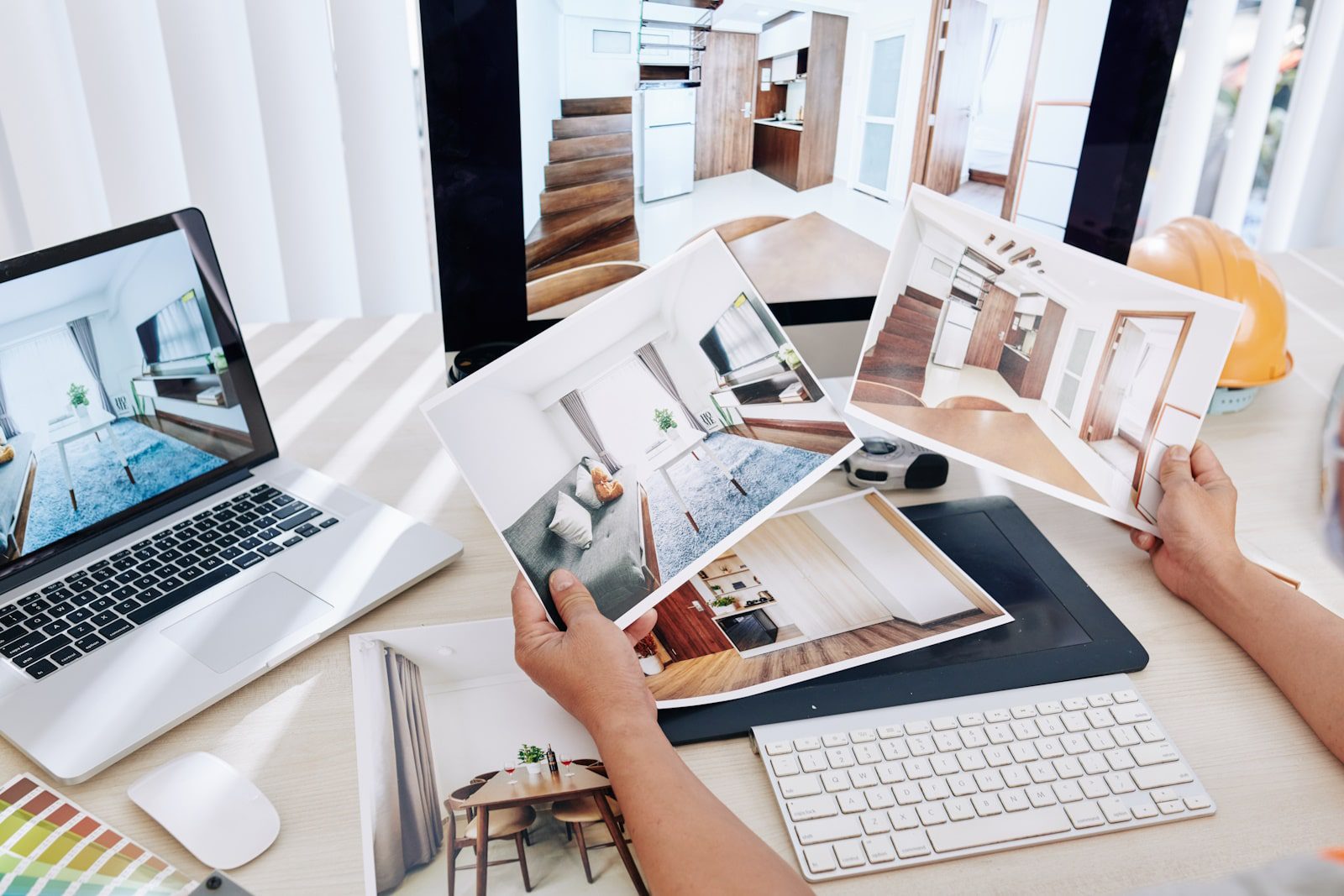
Reshaping Workspaces: Innovative Interior Design for Companies
The modern workplace is evolving rapidly, driven by technological advancements and a growing emphasis on employee well-being. As companies strive to create environments that foster collaboration, productivity, and sustainability, interior design plays a pivotal role. By integrating innovative solutions, businesses can enhance their operations and provide employees with spaces that inspire and support their best work.
Digital Twins for Predictive Maintenance
Digital twins are virtual replicas of physical assets, systems, or processes. In the context of office buildings, these digital models enable real-time monitoring and simulation of building systems such as HVAC, lighting, and elevators. By collecting data from sensors embedded in these systems, digital twins allow facility managers to predict potential failures before they occur, enabling proactive maintenance and reducing downtime. This approach not only enhances operational efficiency but also extends the lifespan of building assets, leading to cost savings and improved reliability.
Smart Building Access Systems
Security and convenience are paramount in modern office environments. Smart building access systems, including keyless entry, facial recognition, and mobile credentials, streamline access while enhancing security. These technologies reduce the need for physical keys or cards, allowing employees and visitors to enter the building seamlessly. Facial recognition systems, in particular, offer a hands-free and efficient method of verifying identity, improving the overall user experience and reducing administrative overhead.
IoT-Enabled Lighting and Climate Control
The Internet of Things (IoT) has revolutionised how we manage building environments. IoT-enabled lighting and climate control systems use sensors to monitor occupancy, temperature, and light levels, allowing for automated adjustments that optimise energy use and maintain comfort. For example, lights can automatically dim or brighten based on natural light availability, and thermostats can adjust temperatures according to room occupancy. This not only enhances comfort but also contributes to energy efficiency and cost savings.
Interactive Digital Kiosks and Wayfinding
Navigating large office complexes can be challenging for visitors and new employees. Interactive digital kiosks equipped with touchscreens and augmented reality (AR) navigation assist in wayfinding, providing real-time directions and information about amenities. These systems can also notify hosts of a visitor’s arrival, enhancing the overall experience and improving efficiency in managing guest interactions.
Biophilic Design Elements
Biophilic design integrates elements of nature into the built environment, promoting well-being and productivity. Incorporating natural materials, indoor plants, and maximising natural light can create a calming and inspiring atmosphere. Studies have shown that biophilic design can reduce stress, improve cognitive function, and enhance mood and creativity, leading to a healthier and more engaged workforce.
Adaptive and Modular Furniture
The modern workplace requires flexibility to accommodate various activities and team sizes. Adaptive and modular furniture allows spaces to be reconfigured quickly to meet changing needs. This flexibility supports collaboration, creativity, and can lead to more efficient use of space. Modular furniture systems are designed to empower businesses to optimise space utilisation and foster collaboration through versatile workplace seating environments.
Sustainable Material Use
Sustainability is a key consideration in contemporary office design. Utilising recycled metals, low-VOC finishes, and eco-friendly surfaces reduces the environmental impact of office interiors. These materials not only contribute to a healthier planet but also create a more pleasant and safe working environment for employees. Sustainable design practices can also lead to cost savings and enhance a company’s reputation as an environmentally responsible organisation.
Acoustic Optimisation
Noise can be a significant distraction in open-plan offices. Acoustic optimisation involves the use of panels, soundscaping, and strategic spatial layout to manage noise levels. This creates a more focused and comfortable environment, enhancing productivity and reducing stress. Investing in acoustic design can promote a more peaceful, productive workplace by reducing the harmful effects of office noise.
Touchless Interfaces
To reduce the transmission of germs and improve hygiene, touchless interfaces are being integrated into office buildings. Sensors in doors, elevators, and other controls allow users to operate them without physical contact, promoting a healthier workplace. This technology not only enhances cleanliness but also improves the overall user experience by providing a seamless and efficient way to interact with building systems.
Smart HVAC and Air Quality Monitoring
Maintaining indoor air quality is crucial for employee health and comfort. Smart HVAC systems equipped with air quality sensors can detect pollutants and adjust ventilation accordingly. This ensures a clean and comfortable environment, which can lead to improved concentration and reduced absenteeism. By optimising air quality, companies can create a healthier workplace that supports employee well-being and productivity.
Circadian and Mood Lighting
Lighting that adjusts throughout the day to align with natural circadian rhythms can enhance employee well-being. Circadian lighting systems mimic the natural progression of sunlight, improving sleep patterns, mood, and productivity. Additionally, mood lighting can be used to create different atmospheres for various activities, from focused work to relaxation, enhancing the overall work environment.
AI-Driven Security and Monitoring
Artificial intelligence is enhancing building security through advanced monitoring systems. AI-driven cameras and sensors can detect unusual activity, such as unauthorised access or overcrowding, and alert security personnel in real-time. This proactive approach enhances safety and can prevent potential incidents, providing a secure environment for employees and visitors.
Multi-Sensory Design
Engaging multiple senses can create a more immersive and pleasant workplace. Integrating sound, scent, and tactile elements into office design can enhance the overall experience, reduce stress, and improve employee satisfaction. Multi-sensory design creates a rich and engaging environment that supports creativity, collaboration, and well-being.
VR Simulations for Layout Planning
Virtual reality (VR) allows designers and clients to experience office layouts before implementation. This immersive technology aids in planning traffic flow, spatial arrangements, and furniture placement, leading to more effective and efficient office designs. VR simulations enable stakeholders to visualise and interact with proposed designs, facilitating better decision-making and reducing the risk of costly changes during construction.
Space Utilisation Analysis
Understanding how office spaces are used is essential for optimisation. Through data analytics and sensor technology, companies can track occupancy patterns and adjust layouts accordingly. This ensures that spaces are used efficiently and meet the needs of employees, leading to improved productivity and satisfaction.
Predictive Maintenance Scheduling
By analysing data from building systems, predictive maintenance can be scheduled before issues arise. This approach reduces downtime, extends the life of equipment, and ensures smooth operation of building facilities. Predictive maintenance enables facility managers to address potential problems proactively, minimising disruptions and maintaining a high level of service.
Inclusive Design and Accessibility
Ensuring that office spaces are accessible to all employees, including those with disabilities, is a fundamental aspect of modern interior design. Inclusive design principles involve creating environments that accommodate diverse needs, promoting equality and inclusivity in the workplace. By prioritising accessibility, companies can foster a more inclusive and supportive work environment.
Energy Modelling and Efficiency
Utilising AI tools to simulate and reduce energy consumption in office buildings is becoming standard practice. Energy modelling helps identify areas for improvement, leading to cost savings and a reduced environmental footprint. By optimising energy use, companies can enhance sustainability and reduce operational costs.
Cultural and Historical Preservation
Incorporating elements of cultural and historical significance into office design can create a unique and meaningful environment. This approach respects heritage features while integrating modern upgrades, fostering a sense of identity and continuity within the workspace. Cultural and historical preservation adds character and depth to office interiors, enriching the employee experience.
The future of interior design for companies lies in creating smart, sustainable, and employee-centric workspaces. By integrating advanced technologies and thoughtful design principles, companies can enhance productivity, well-being, and overall success. At Turnkey Interiors, we specialise in transforming corporate environments to meet the demands of the modern workplace. Our expertise in interior design for companies ensures that your workspace not only reflects your brand but also supports your business objectives. Contact us today to discover how we can help you create a workspace that inspires and empowers your team.


Leave a Reply