
Office Interior Decorators and Trends in Ergonomic Office Furniture
Workspaces across South Africa are undergoing a quiet revolution. The days of static desks and one-size-fits-all chairs are being replaced by adaptable, wellness-centred environments designed to meet the needs of today’s dynamic workforce. More than just a design trend, this shift reflects a deeper understanding that the way we furnish offices directly affects employee well-being, productivity and job satisfaction. For office interior decorators, it’s an exciting time to shape spaces that are not only beautiful but actively improve how people work.
Driven by advances in ergonomics, technology, and sustainability, corporates are investing in furniture that does far more than provide a place to sit. From height-adjustable desks to acoustic-friendly solutions, these innovations are transforming offices into responsive ecosystems that prioritise human comfort and efficiency. The result is a working environment that can adapt to shifting business needs while supporting the health and creativity of its users.
The Rise of Sit-Stand Workstations
Height-adjustable desks, often referred to as sit-stand workstations, are no longer a novelty in progressive workplaces. Their popularity stems from the growing awareness of the health risks associated with prolonged sitting. By allowing employees to switch between sitting and standing positions throughout the day, these desks help combat fatigue, improve posture and encourage better circulation. The simple act of alternating positions has been linked to greater focus and energy levels, making this an investment with both physical and cognitive benefits.
For office interior decorators, incorporating sit-stand solutions requires more than just choosing a desk model. Successful integration often includes selecting complementary accessories such as anti-fatigue mats, monitor arms and cable-management systems to ensure both comfort and functionality. Additionally, providing training or guidance on how to adjust and use these desks properly helps employees fully embrace the benefits without discomfort or strain.
Active Seating Solutions
The concept of “active seating” has gained significant traction among organisations looking to make workdays less sedentary. Options like balance chairs, wobble stools and saddle seats encourage micro-movements, strengthening the core muscles while reducing static pressure on the spine. These solutions promote a more dynamic posture, helping to alleviate stiffness and boosting energy levels during long hours at the desk.
Office interior decorators can use active seating to complement sit-stand desks or integrate them into collaborative spaces. Because these chairs often have a contemporary, streamlined design, they can also serve as visual highlights in modern interiors. Beyond aesthetics, offering a variety of seating options ensures employees can choose what suits them best, further supporting a culture of health and flexibility.
Integrated Technology Desks
As hybrid work models become standard, the demand for furniture that supports seamless connectivity has grown exponentially. Integrated technology desks meet this need by incorporating built-in charging ports, wireless charging pads, cable-management systems and docking stations. These features reduce clutter, support multiple devices and create a cleaner, more organised working environment.
Office interior decorators can use these desks to future-proof office layouts. Choosing models with adaptable technology components ensures the furniture remains relevant as new devices and working methods emerge. Such setups also reflect a company’s commitment to efficiency, appealing to a tech-savvy workforce that expects workspaces to keep up with their digital needs.
Custom-Fit Ergonomic Chairs
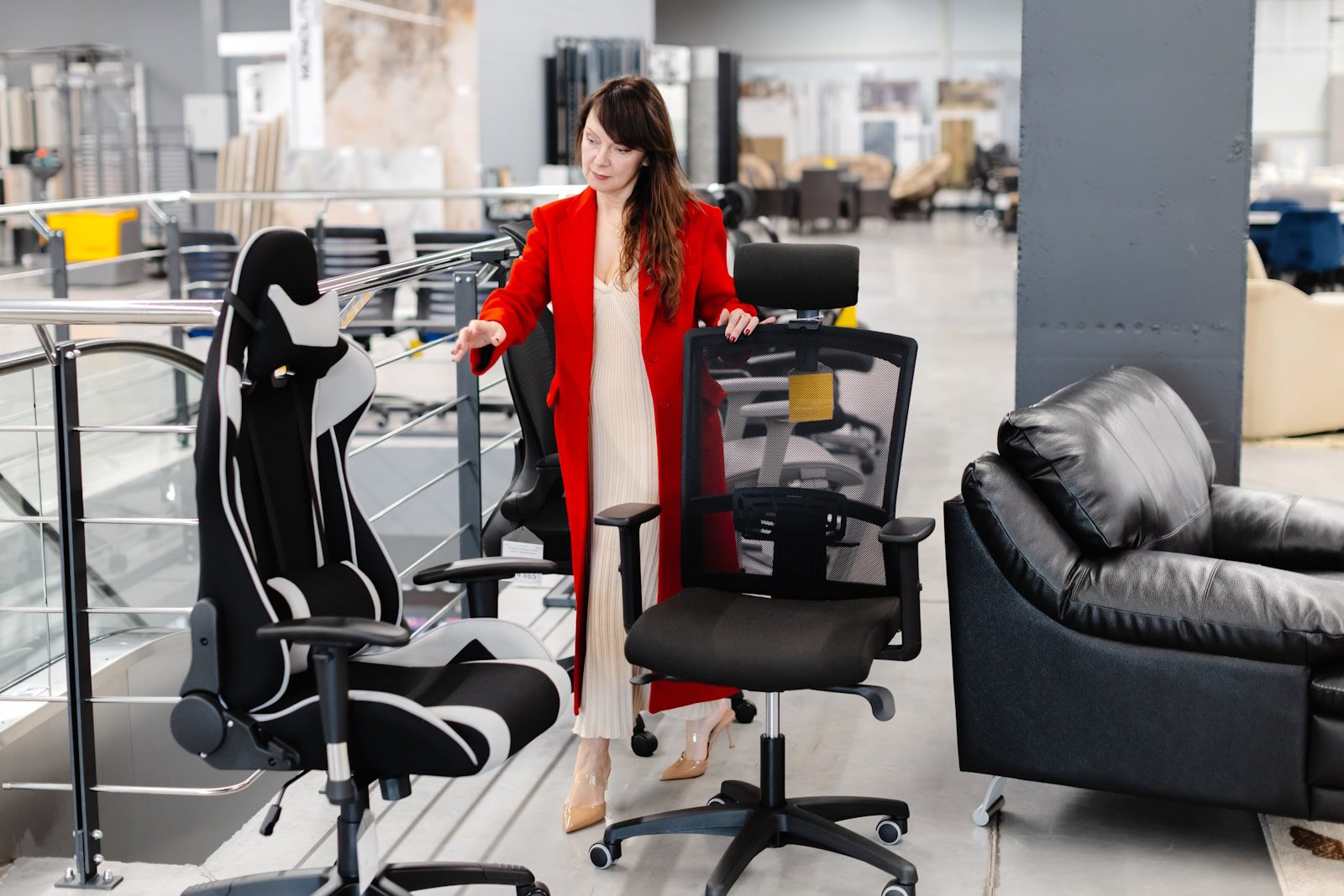
Ergonomic chairs have long been a staple in office design, but the latest trend is toward custom-fit models with advanced adjustability. Features such as adjustable lumbar support, seat depth, tilt tension and armrests tailored to the user’s body type provide personalised comfort that reduces the risk of musculoskeletal disorders. The ability to fine-tune a chair’s settings makes it a valuable tool for improving posture and overall workplace well-being.
Office interior decorators can enhance the impact of these chairs by pairing them with workstation assessments. By ensuring each employee’s seating and desk height are properly aligned, decorators not only maximise comfort but also prolong the lifespan of the furniture investment. This level of attention to detail underscores the importance of ergonomics in supporting productivity.
Modular Workstation Layouts
Workplaces are increasingly adopting modular workstation layouts to adapt quickly to evolving team structures and project needs. Movable partitions, reconfigurable desk clusters and mobile storage units allow companies to adjust their spaces with minimal disruption. This flexibility is especially beneficial in organisations embracing hybrid schedules, where on-site staff numbers fluctuate throughout the week.
For office interior decorators, modular furniture offers an opportunity to design spaces that remain visually cohesive even as layouts change. Selecting pieces with consistent finishes and dimensions ensures they can be rearranged without sacrificing style. This adaptability supports long-term value, making it a smart choice for companies looking to keep pace with rapid organisational change.
Eco-Conscious Ergonomic Designs
Sustainability is no longer optional—it’s a corporate priority. Eco-conscious ergonomic furniture combines environmental responsibility with user comfort by using recycled, renewable or responsibly sourced materials. These designs often incorporate innovative manufacturing techniques that reduce waste and energy consumption, aligning with ESG targets and company values.
Office interior decorators can leverage sustainable products to demonstrate both environmental stewardship and design excellence. By educating clients on the environmental impact of their choices, decorators can help corporates make procurement decisions that reflect their brand ethos while still delivering superior ergonomic performance.
Acoustic-Friendly Furniture for Open-Plan Offices
Open-plan offices may encourage collaboration, but they also present challenges in terms of noise control. Acoustic-friendly desks and seating with integrated sound-absorbing panels help create quieter zones for focused work without isolating employees entirely. These solutions can be strategically placed to reduce echoes and block distracting sounds from high-traffic areas.
Office interior decorators can integrate acoustic-friendly furniture into layouts alongside other noise-management tools such as ceiling baffles and wall panels. This layered approach not only enhances acoustic comfort but also adds visual texture, contributing to an inviting yet productive workspace.
Wellness-Focused Accessories
Small ergonomic accessories can have a significant impact on workplace comfort. Footrests, monitor arms and anti-fatigue mats reduce strain, encourage movement and promote better posture throughout the day. These items are often cost-effective ways to enhance an existing office setup without major renovations or replacements.
Office interior decorators should view these accessories as essential finishing touches that complete an ergonomic design. When thoughtfully chosen to match the aesthetic of the space, they reinforce the message that employee well-being is valued at every level.
The future of office design in South Africa is defined by adaptability, sustainability and a commitment to employee well-being. From sit-stand desks to acoustic-friendly solutions, the trends reshaping corporate spaces are as practical as they are inspiring. Office interior decorators have the expertise to bring these elements together into cohesive environments that boost productivity and satisfaction.
If your organisation is ready to embrace these innovations, contact us at Turnkey Interiors. We can help you create a workspace that is not only ergonomically advanced but also tailored to your culture, goals and brand identity.


Leave a Reply