

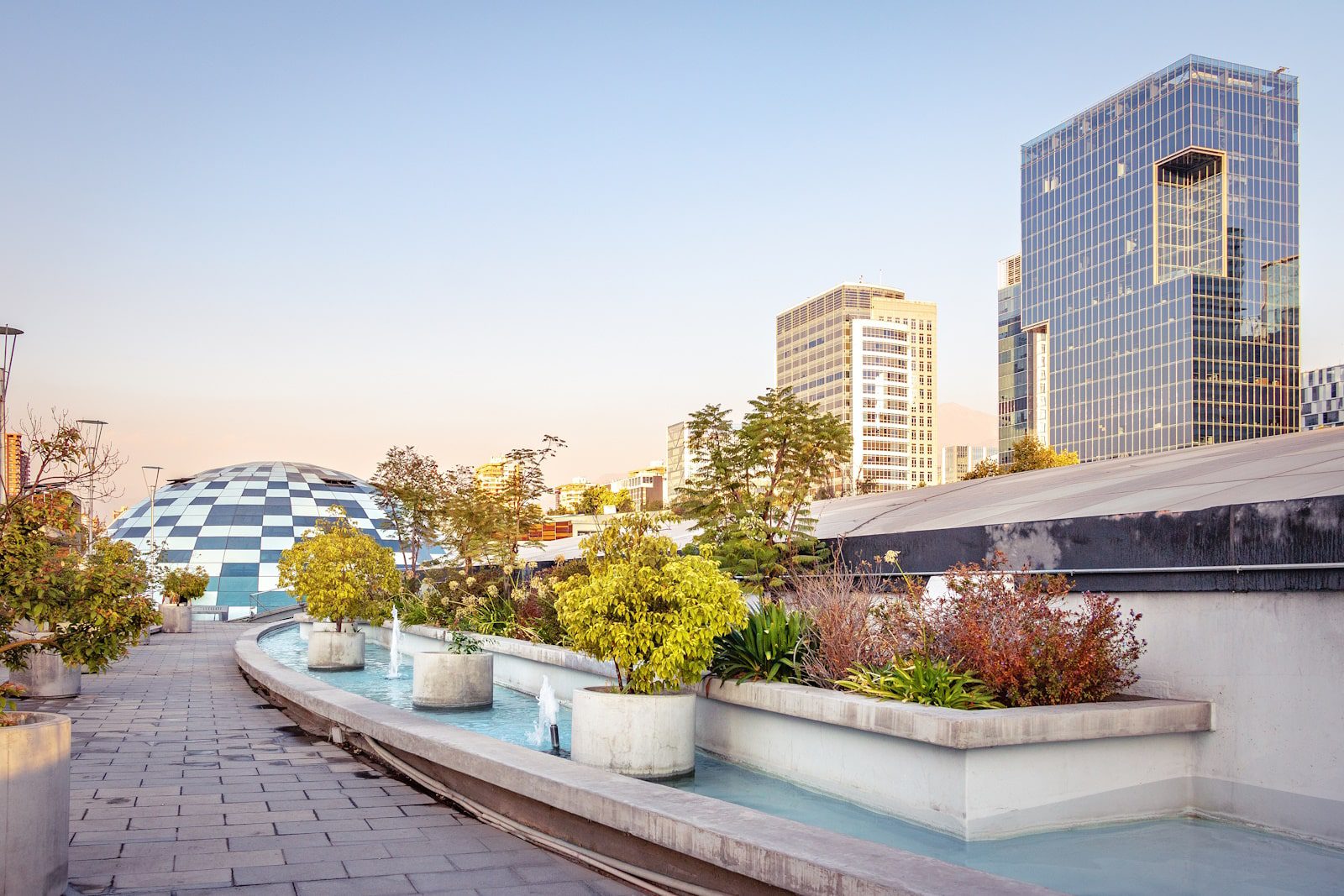
Integrating Rooftop Gardens Into Corporate Interiors in Cape Town
Cape Town’s bustling central business district is experiencing a shift toward sustainable urban design that blends nature with modern office spaces. Rooftop gardens are emerging as a powerful solution to address environmental challenges like urban heat, stormwater management, and biodiversity loss, while also enhancing the quality of interiors in Cape Town. By transforming otherwise underutilised roofs into vibrant green spaces, businesses can create healthier workplaces, reduce energy consumption, and make a positive impact on the city’s fragile ecosystems.
With Cape Town’s distinct Mediterranean climate, characterised by wet winters and hot, dry summers, rooftop gardens require careful planning. Successful integration depends on understanding the local climate, structural limits of existing buildings, water scarcity concerns, and opportunities for creating biodiversity-friendly habitats. For organisations looking to enrich their interiors in Cape Town with outdoor living elements, rooftop gardens offer a unique way to bring nature close, improve employee wellbeing, and reinforce corporate sustainability commitments.
Climate-appropriate plant selection
Selecting the right plants is critical for rooftop gardens in Cape Town’s CBD due to the combination of intense sun, strong winds, and a seasonal rain pattern. Native fynbos species are ideal because they are naturally adapted to the local environment, making them drought-tolerant and able to withstand wind exposure. These plants also contribute to conserving Cape Town’s unique biodiversity hotspot while attracting local birds and pollinators, enriching the urban ecology. Incorporating hardy succulents and drought-resistant grasses alongside low-maintenance shrubs helps ensure plant survival through dry summers without excessive irrigation.
Designers should differentiate between extensive and intensive green roofs when selecting vegetation. Extensive systems typically have shallow substrates and support low-growing succulents and sedums, while intensive roofs allow for deeper soil beds capable of sustaining shrubs or small trees, but require thorough structural evaluation. Wind protection measures like trellises or strategically placed barriers can reduce plant stress. Proper planning for seasonal watering—especially during Cape Town’s dry months—and soil depth tailored to plant types are key to maintaining healthy rooftop ecosystems that support the wider goals of enhancing interiors in Cape Town.
Structural load considerations
Before any rooftop garden installation, understanding the structural capacity of the building is paramount. Rooftop gardens add substantial weight from soil, plants, water retention, and user activity, which must not exceed the roof’s design limits. Lightweight extensive green roofs typically weigh between 70 and 180 kilograms per square metre when saturated, while intensive gardens with deeper soil and amenities can easily surpass 400 kilograms per square metre. Assessing existing structural drawings and consulting with structural engineers ensures the rooftop can safely carry these additional loads.
Engineering evaluations should include dynamic loads such as maintenance personnel and potential furniture or features like pergolas. If a roof’s capacity is limited, modular tray systems and engineered lightweight substrates can reduce weight while still supporting healthy plant growth. Consideration of drainage systems, waterproofing integrity, and access for maintenance are also vital to protect the building fabric and prolong roof lifespan. Thoughtful structural planning forms the foundation for rooftop gardens that effectively complement interiors in Cape Town without compromising building safety.
Water management systems for a water-sensitive city
Cape Town’s ongoing water challenges make efficient water management a critical part of rooftop garden design. The city’s history of drought underscores the importance of reducing reliance on municipal potable water by incorporating rainwater harvesting, greywater reuse, and smart irrigation systems. Rainwater collected from roof surfaces can be stored in tanks sized to the building’s footprint and used to irrigate plants during dry periods. Integrating greywater systems, where regulations permit, can further reduce freshwater demand by reusing treated wastewater for irrigation.
To optimise water use, drip irrigation combined with soil moisture sensors ensures plants receive the right amount of water while minimising waste. These systems are particularly effective in windy rooftop environments where evaporation rates are high. Additionally, green roofs serve as natural stormwater buffers, slowing runoff and easing pressure on city drainage infrastructure. By carefully managing water flows and usage, rooftop gardens become resilient, drought-friendly spaces that support sustainable interiors in Cape Town and align with municipal water conservation goals.
Biodiversity benefits
Rooftop gardens in Cape Town’s CBD provide critical refuge for native species in an increasingly urbanised environment. The Cape Floristic Region is one of the world’s richest biodiversity hotspots, and integrating native plants into rooftop landscapes supports local birds, bees, and insects vital to ecosystem health. Designing multi-layered planting schemes that include groundcovers, nectar-rich shrubs, and seed-producing species offers continuous food sources and habitat throughout the year.
Incorporating features such as insect hotels, bird nesting boxes, and shallow water stations encourages wildlife to thrive in urban settings. Avoiding invasive exotic species is crucial to prevent disruption of local ecosystems. Collaborating with conservation bodies and using resources from the South African National Biodiversity Institute helps ensure plant selections contribute positively to regional biodiversity goals. Such rooftop biodiversity enhancements not only improve environmental outcomes but also enrich interiors in Cape Town by connecting building occupants with living nature.
Thermal insulation and energy savings
Rooftop gardens act as natural insulators, reducing heat transfer through roofs and helping regulate internal building temperatures. The vegetation and soil layers absorb solar radiation, provide shading, and cool surrounding air through evapotranspiration, which collectively decrease summer cooling loads. These thermal benefits translate into lower energy consumption for air conditioning systems, reducing operational costs and carbon footprints for offices.
While exact energy savings vary based on design, roof type, and plant selection, studies suggest green roofs can reduce cooling energy needs by up to 20%. Combining green roofs with reflective surfaces or photovoltaic panels can enhance these effects, making rooftops multifunctional energy-efficient assets. By integrating rooftop gardens, companies can extend the impact of sustainable interiors in Cape Town from indoor spaces to building envelopes, contributing to healthier work environments and lower utility bills.
Corporate wellness and placemaking
Rooftop gardens designed as wellness spaces offer employees an inviting place to relax, socialise, and reconnect with nature during the workday. Providing comfortable seating, shaded meeting areas, and wind protection transforms rooftops into extensions of the office environment, supporting mental health and informal collaboration. These outdoor spaces complement interiors in Cape Town by blending interior comfort with the restorative benefits of fresh air and greenery.
Wellness-focused rooftop gardens can be programmed with activities such as lunchtime gardening clubs or mindfulness sessions to encourage employee engagement. Attention to durable, weather-resistant materials and accessible pathways ensures these spaces remain usable year-round. By investing in placemaking on rooftops, companies foster a culture of wellbeing that enhances retention and productivity, while visibly demonstrating commitment to staff care and environmental stewardship.
Compliance, safety and access
Ensuring compliance with local building codes, municipal regulations, and occupational health and safety standards is a non-negotiable step in rooftop garden projects. Structural approvals must be secured before installation, and waterproofing systems thoroughly tested to prevent damage. Safety features such as secure balustrades of adequate height, anti-slip flooring, and clearly marked emergency exits safeguard users from falls and accidents.
Access points must be designed for ease of maintenance and emergency egress, with ladders or stairways that comply with regulatory requirements. In Cape Town, permissions related to water storage and reuse systems may also be required. Engaging qualified professionals throughout design and construction ensures the rooftop garden is both a safe amenity and compliant with all relevant regulations, ultimately supporting seamless integration with interiors in Cape Town.
Integrating the roof with corporate identity
The rooftop garden is a powerful extension of a company’s brand and ethos, offering visual and experiential storytelling opportunities. Landscape and hardscape elements can incorporate corporate colours, textures, and logos, creating a cohesive aesthetic that connects outdoor spaces to interiors in Cape Town. Thoughtful lighting, signage, and event infrastructure allow the roof to double as a venue for client entertainment, staff gatherings, or sustainability showcases.
Activating the space through community planting days or environmental education sessions helps embed the garden within corporate culture and strengthens stakeholder engagement. By aligning rooftop design with brand values, businesses signal their commitment to innovation, wellbeing, and environmental responsibility — differentiators that resonate with employees and clients alike.
If you are considering bringing rooftop gardens to your office building or want to explore how these green spaces can enhance your workspace, contact us at Turnkey Interiors. We specialise in connecting rooftop design with high-quality interiors in Cape Town, ensuring seamless integration, structural feasibility, and water-smart solutions. Together, we can create inspiring, sustainable work environments that elevate your brand and employee experience.


Leave a Reply