

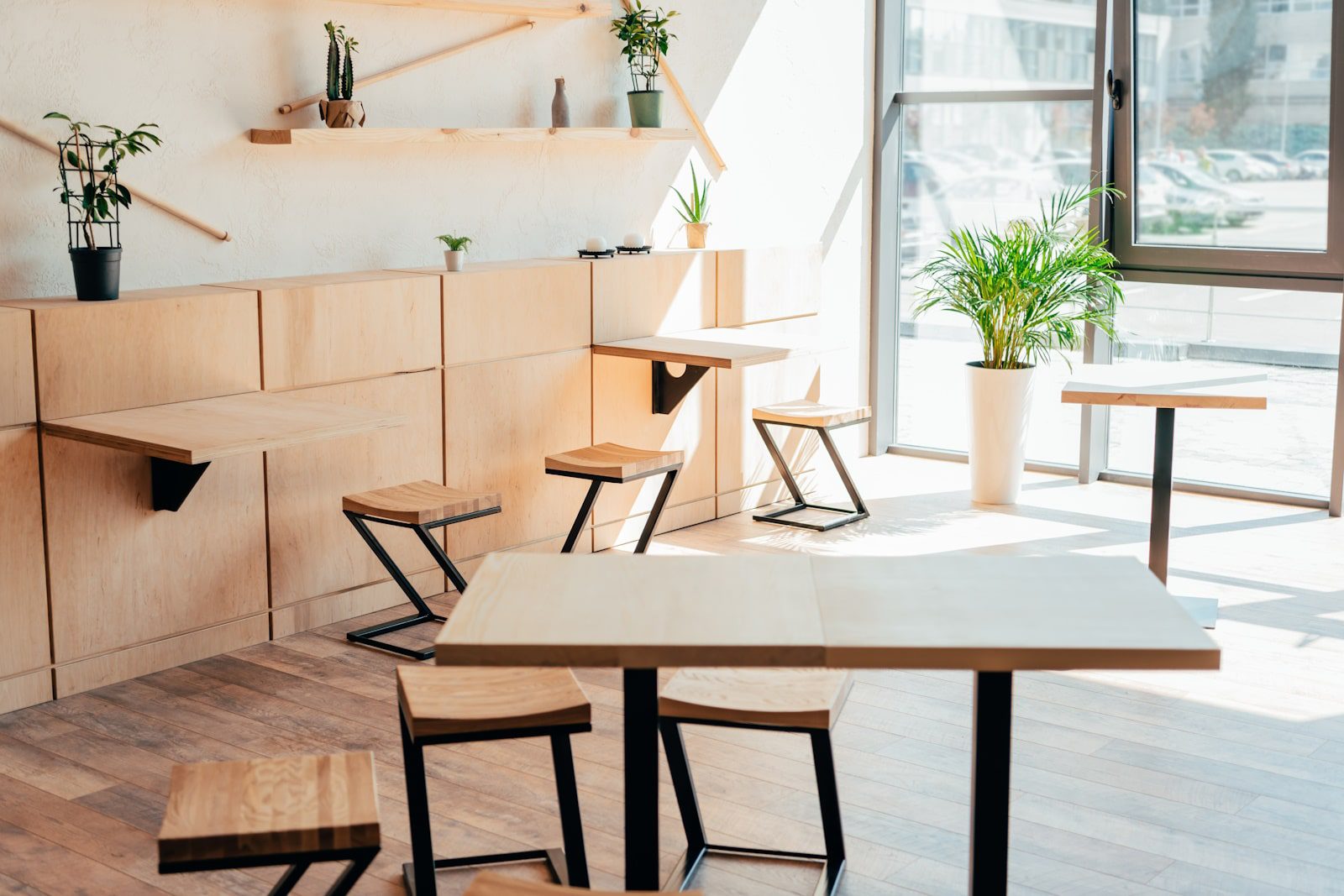
Interior Design Firms and Japandi: Minimalism Meets Warmth
Japandi is the seamless blend of Japanese minimalism and Scandinavian comfort. The result is an aesthetic that is both functional and emotionally resonant—a style built on clarity, serenity, and warmth. With the increasing focus on wellness, sustainability, and simplified environments, Japandi has become a favourite among interior design firms aiming to offer clients something meaningful and enduring.
This design movement harmonises form and feeling by marrying the sparse elegance of Japanese interiors with the tactile softness of Scandinavian ‘hygge’. It’s not a fleeting trend, but a response to the modern world’s need for balance, order, and comfort in shared or commercial environments.
What is Japandi?
Japandi design centres around natural light, gentle textures, functional layouts, and thoughtful curation. Its aesthetic avoids unnecessary decoration, focusing instead on creating calm, liveable spaces. What sets it apart is its dual emphasis on visual simplicity and emotional warmth.
Interior design firms value Japandi for its universal appeal and versatility. Whether applied to a co-working space, a wellness centre, or a boutique showroom, Japandi creates an atmosphere that is both meditative and grounded. It’s increasingly requested by clients looking for interiors that promote mindfulness and intentional living.
Core Elements of Japandi Interiors
At its core, Japandi design is about simplicity with soul. Interiors are typically composed of open spaces, streamlined silhouettes, and carefully chosen materials that emphasise quality over quantity. There’s no visual clutter—only purposeful placement and graceful restraint.
This makes it an excellent design strategy for commercial spaces. Interior design firms apply Japandi principles to layout planning, material selection, and spatial composition to achieve a serene flow and effortless functionality that clients and visitors alike appreciate.
Colour Schemes That Define Japandi
Japandi colour palettes draw heavily from the earth. Think off-whites, muted taupes, warm greys, and subdued greens. These tones are calming, helping to create a sense of continuity throughout a space. Darker accents such as charcoal or navy are used sparingly to provide contrast and anchor the palette.
Interior design firms working with Japandi tend to avoid harsh whites or high-contrast schemes, opting instead for tonal layering. The result is a soft, enveloping visual atmosphere that encourages a sense of comfort and presence.
Material Choices in Japandi Design
Natural materials are the foundation of Japandi interiors. Sustainable hardwoods like oak and walnut, woven bamboo, linen, wool, and stone are all commonly used. These elements are tactile, renewable, and visually timeless—qualities that speak directly to Japandi’s ethos of long-lasting beauty.
Interior design firms seeking to reduce environmental impact often turn to Japandi for its inherently sustainable choices. The preference for low-impact materials and artisan-made furnishings aligns with modern expectations around ethical design and durability.
Japandi Furniture Style
Japandi furniture is low, lean, and lovingly crafted. Inspired by both Japanese tatami-style furniture and Scandinavian simplicity, these pieces are designed to be used, not just seen. They prioritise comfort without sacrificing structure, and they fit seamlessly into their environments.
Interior design firms often source Japandi-style furniture from bespoke craftspeople or design-forward manufacturers who prioritise function and timeless aesthetics. These furnishings often become the centrepiece of a space, tying together the clean lines and soft textures of the overall scheme.
Minimalism with Warmth
One of Japandi’s most distinctive features is its ability to make minimalism feel inviting. This is achieved through layering. Woven textiles, ceramics, paper lanterns, and carefully chosen greenery soften the austerity often associated with minimalist interiors.
For interior design firms, this is a game-changer. It allows them to deliver streamlined, efficient spaces without compromising on human comfort. Lighting plays a crucial role here, too—warm, diffused light enhances the textures and tones, adding depth and softness throughout.
Japandi in Small Spaces
Japandi’s restrained style and compact furniture design make it ideal for smaller spaces, especially in urban or high-density settings. With clever storage, multi-use furnishings, and open sightlines, even the most confined commercial areas can feel spacious and breathable.
Interior design firms working in dense city environments often turn to Japandi as a solution to limited space. Whether it’s a boutique retail unit or a narrow office reception, Japandi’s principles of efficiency and elegance shine through.
Japandi vs Other Minimalist Styles
While it shares common ground with Modern Minimalism and Wabi-Sabi, Japandi sets itself apart with its balance of restraint and warmth. Unlike modern minimalist styles, which can sometimes feel cold or clinical, Japandi infuses emotion and softness into every design decision.
Interior design firms also appreciate the cultural richness embedded in Japandi. It’s not just a trend—it’s a blend of philosophies that value imperfection, presence, and care, offering deeper meaning to the spaces we inhabit.
Japandi for Interior Design Firms
Japandi represents a major opportunity for interior design firms to differentiate themselves. Its global influences, sustainable foundations, and cross-cultural appeal make it a strategic offering. More importantly, it resonates with today’s values: mindfulness, quality, and care.
Interior design firms can use Japandi as a vehicle for storytelling—connecting clients to ideas of intentional living, quiet luxury, and natural beauty. With the right application, Japandi becomes not just a style, but a philosophy reflected in space.
Sustainability in Japandi Design
Sustainability isn’t a marketing angle in Japandi—it’s a core principle. From the use of reclaimed woods to the emphasis on quality over trend, the entire approach champions environmental responsibility. The style promotes materials and processes that are circular, biodegradable, and artisan-driven.
Interior design firms committed to reducing carbon footprints and supporting ethical sourcing find that Japandi naturally aligns with green certifications and sustainability frameworks—particularly those encouraged by government initiatives and planning authorities.
Client Appeal and Market Trends
Japandi is trending for all the right reasons. Google Trends shows continued growth in searches related to Japandi interiors, especially in 2025. Clients across industries—from wellness to hospitality—are seeking spaces that communicate calm, care, and craftsmanship.
Interior design firms that adopt Japandi now can stay ahead of the curve. It’s more than a visual trend; it’s a design mindset that aligns perfectly with global values of simplicity, sustainability, and serene functionality.
At Turnkey Interiors, we specialise in curating commercial environments that embody the principles of Japandi. Whether you’re launching a new hospitality space or refreshing your corporate offices, we bring mindful design, sustainable materials, and purposeful creativity to every project.
Let us help you bring the quiet beauty of Japandi to your next space. Contact us today to get started.


Leave a Reply