

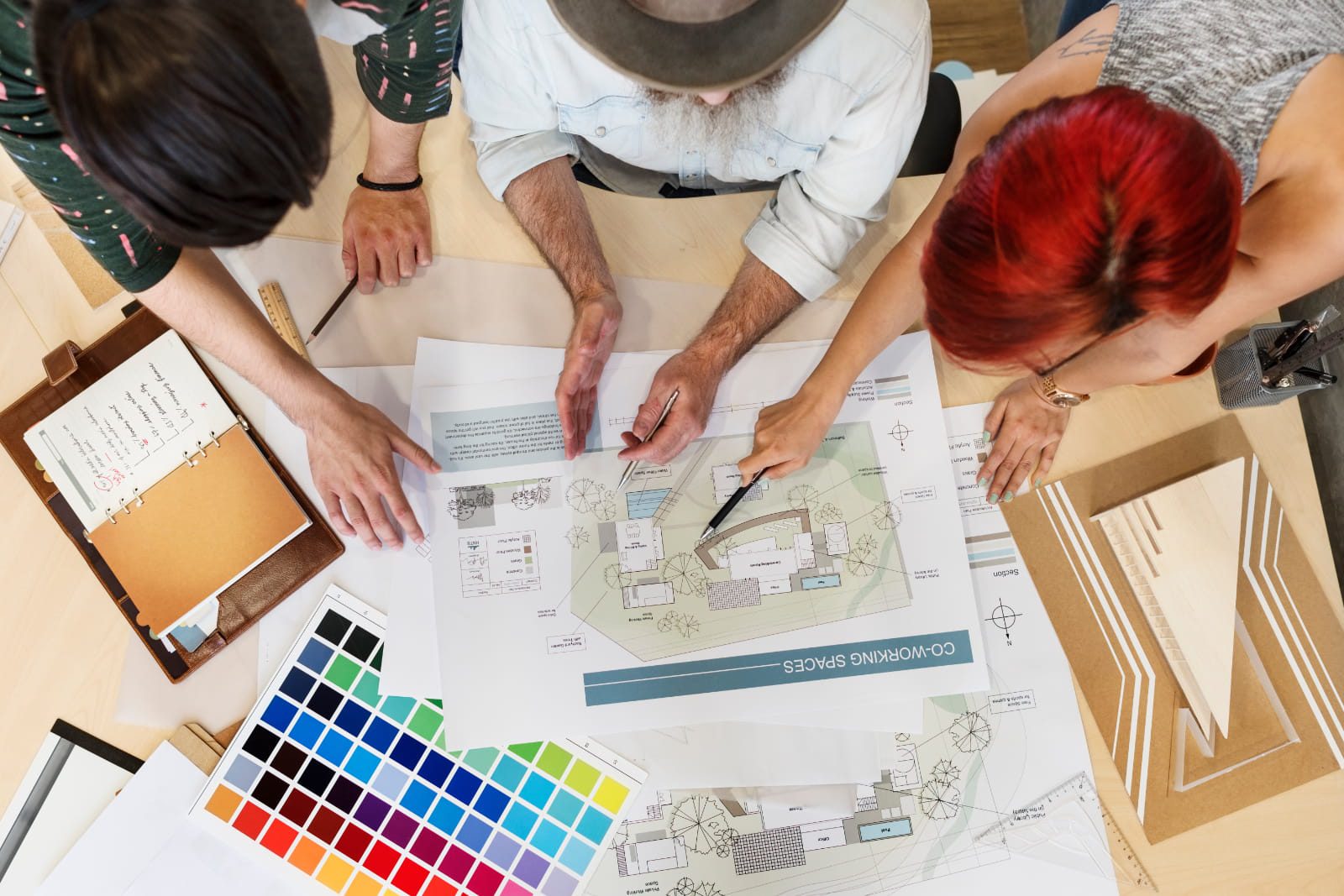
How Project Management Simplifies Office Renovation
Renovating an office can be an exciting opportunity to refresh your workspace, boost productivity, and reflect your company’s brand. However, managing all the moving parts of an office renovation can be overwhelming without the help of professional interior design companies. The Turnkey advantage ensures that every stage of your office fit-out is carefully planned, coordinated, and executed, making the process far smoother and less stressful. Professional project management keeps projects on schedule, within budget, and aligned with the overall vision.
When handled correctly, project management allows businesses to focus on their core operations while the design and construction teams deliver results efficiently. It reduces errors, prevents delays, and maintains high-quality standards throughout the renovation. By combining practical planning with interior design expertise, interior design companies can help businesses create workspaces that are functional, inspiring, and ready to support future growth.
Why Project Management Matters in Office Renovation
Professional project management is vital in office renovation because it keeps every aspect of the project coordinated. From design decisions to construction timelines, having a project manager ensures nothing falls through the cracks. Without proper oversight, renovations can experience costly delays, miscommunication, and stress for staff and stakeholders alike.
Project management also allows teams to respond quickly to unforeseen issues. Whether a supplier delay occurs or design adjustments are required, a structured approach ensures that solutions are implemented without disrupting the overall schedule. This proactive management helps maintain momentum and protects both budget and quality standards.
Key Benefits of Project Management in Office Renovation:
- Ensures all project stages are aligned
- Prevents costly delays and mistakes
- Provides clarity on responsibilities
- Reduces stress for staff and stakeholders
- Allows proactive problem-solving
With project management in place, businesses gain confidence that the renovation will meet operational goals while maintaining aesthetic standards. It also creates a transparent framework for monitoring progress, making it easier to make informed decisions along the way.
Clear Objectives and Scope
Before any renovation begins, it is crucial to define clear objectives and establish the project scope. This step ensures that the design aligns with the company’s goals, budget, and functional requirements. A well-documented scope clarifies what will be delivered and helps manage expectations for all stakeholders.
Having clear objectives also helps avoid scope creep, which is one of the most common challenges in office renovations. When boundaries are set, decisions can be made more efficiently, and priorities can be clearly identified. This structured approach ensures that the project moves forward smoothly and stays on track.
Essential Steps for Defining Objectives and Scope:
- Understand company goals and workspace needs
- Establish budget and timeline expectations
- Identify key deliverables and outcomes
- Document project limitations and priorities
- Confirm approvals and responsibilities
Clearly defined objectives make it easier for interior design companies to manage each stage of the renovation effectively. It allows teams to focus on delivering solutions that match the client’s vision while remaining practical and achievable.
Detailed Planning and Timeline Management
A detailed project plan is the roadmap for a successful office renovation. It breaks down the work into phases, including design, procurement, construction, and installation, with timelines for each stage. This approach ensures all tasks are scheduled logically and reduces the risk of delays.
Milestone tracking is a crucial element of timeline management. By regularly reviewing progress against key milestones, project managers can address issues early, adjust schedules as needed, and keep everyone informed. This structure guarantees that the renovation progresses smoothly and on time.
Key Elements of Planning and Timeline Management:
- Break project into phases with clear timelines
- Assign responsibilities to team members
- Map task dependencies and priorities
- Set milestones for review and decision points
- Monitor and adjust timelines as required
With strong planning, businesses can maintain momentum throughout the renovation. It also creates transparency for stakeholders and provides a framework to handle any unexpected challenges efficiently.
Budget Monitoring and Cost Control
Effective cost control is essential to avoid unexpected expenses during office renovations. Project managers monitor every element of spending, from procurement and labour to contingency funds. Regular budget reviews ensure transparency and accountability throughout the project.
Proactive financial management allows businesses to make informed decisions about priorities or alternative solutions. By identifying potential cost pressures early, project managers can recommend adjustments before they impact the project significantly.
Key Steps in Budget Monitoring and Cost Control:
- Create a detailed budget with all expected costs
- Track spending against estimates regularly
- Adjust allocations as priorities change
- Maintain transparency with stakeholders
- Identify cost-saving opportunities without compromising quality
Budget oversight also helps build trust between the client and the renovation team. It ensures that the project achieves the intended design goals while remaining financially manageable.
Communication and Collaboration
Communication is critical to a successful office renovation. Project managers facilitate collaboration between clients, contractors, and design teams, ensuring everyone is aligned and informed. Regular updates prevent misunderstandings and maintain project momentum.
Collaboration also fosters better decision-making. By involving key stakeholders in discussions and approvals, businesses can ensure that the design reflects operational needs as well as aesthetic goals. This cooperative approach reduces errors and strengthens overall satisfaction.
Effective Communication and Collaboration Includes:
- Sharing updated plans and progress reports
- Coordinating meetings and approvals
- Maintaining a single point of contact for decisions
- Encouraging feedback from all stakeholders
- Documenting decisions for future reference
Clear communication ensures that renovations run smoothly and that all team members are accountable. It also minimises delays and ensures the final office meets expectations.
Space Planning and Functional Design
Optimising workspace layout is essential to creating a productive and functional office. Thoughtful space planning considers workflow, team interactions, and future expansion needs, ensuring every area serves a purpose. It also creates a visually appealing environment that inspires employees.
Functional design extends beyond layout to include furniture placement, lighting, and circulation. Flexible solutions, such as modular furniture and adaptable meeting spaces, allow the office to evolve alongside the company. This forward-thinking approach maximises both usability and efficiency.
Considerations for Space Planning and Functional Design:
- Assess workflow and department interactions
- Design adaptable workstations and common areas
- Include adequate storage and circulation space
- Plan for future growth and technological needs
- Balance aesthetics with functionality
By prioritising both functionality and design, interior design companies create workspaces that support productivity, collaboration, and employee wellbeing. The result is an office that works as hard as the people inside it.
Procurement and Quality Assurance
Successful office renovations depend on timely procurement and quality control. Project managers ensure materials, furniture, and finishes are sourced according to schedule and meet the project’s specifications. Delays or errors in procurement can impact the timeline and quality.
Quality assurance also involves regular inspections and on-site oversight. This ensures that construction, installation, and finishes meet design standards. Attention to detail at every stage prevents costly mistakes and guarantees a polished final result.
Key Practices in Procurement and Quality Assurance:
- Source materials and furniture on schedule
- Verify quality standards before delivery
- Conduct regular site inspections
- Address issues promptly to prevent delays
- Ensure installation matches design intent
Careful procurement and quality control make sure the finished office is both durable and visually appealing. It also builds confidence that the renovation will meet the client’s expectations.
Implementation and Final Handover
The implementation phase turns design plans into reality. Project managers oversee contractors, coordinate installations, and ensure all systems are operational. By managing the details, businesses can focus on operations while renovations proceed efficiently.
Final handover includes client walkthroughs and any necessary adjustments. This ensures that the office meets operational and aesthetic requirements before employees move in. A structured handover process provides clarity and satisfaction for all parties.
Steps in Implementation and Final Handover:
- Supervise contractors and installation teams
- Verify that all systems are functional
- Conduct client walkthrough and inspections
- Address final adjustments or touch-ups
- Complete documentation and project closure
A smooth handover ensures the office is fully operational, functional, and ready to support the company’s goals. It also confirms that the project has met both the design and quality expectations.
Which firms provide post-design support and maintenance for office interiors?
We at Turnkey Interiors provide full project management as part of our office fit-out services. From consultation to completion, we manage every aspect of the project, including design coordination, construction, and furniture installation. This ensures that timelines are met, budgets are maintained, and quality standards are upheld.
Our team combines interior design expertise with hands-on construction oversight. This allows us to deliver turnkey solutions that are practical, functional, and visually compelling. Whether it is a corporate office, commercial fit-out, or bespoke furniture integration, we oversee each step of the process with precision.
By choosing Turnkey Interiors, businesses benefit from a single point of accountability. We handle planning, procurement, execution, and handover, allowing our clients to focus on running their operations while we manage the office renovation from start to finish.
The Advantage You’re Looking For
The Turnkey advantage shows how professional project management simplifies office renovations. Interior design companies that integrate design with detailed project oversight reduce stress, avoid delays, and create workspaces that are functional, efficient, and visually appealing. By handling planning, procurement, construction, and handover, project managers ensure businesses get the workspace they need without operational disruption.
We at Turnkey Interiors deliver complete office fit-outs with a turnkey approach, combining design expertise with meticulous project management. If you are planning an office renovation, get in touch with us today and let’s transform your workspace with confidence, efficiency, and style.


Leave a Reply