

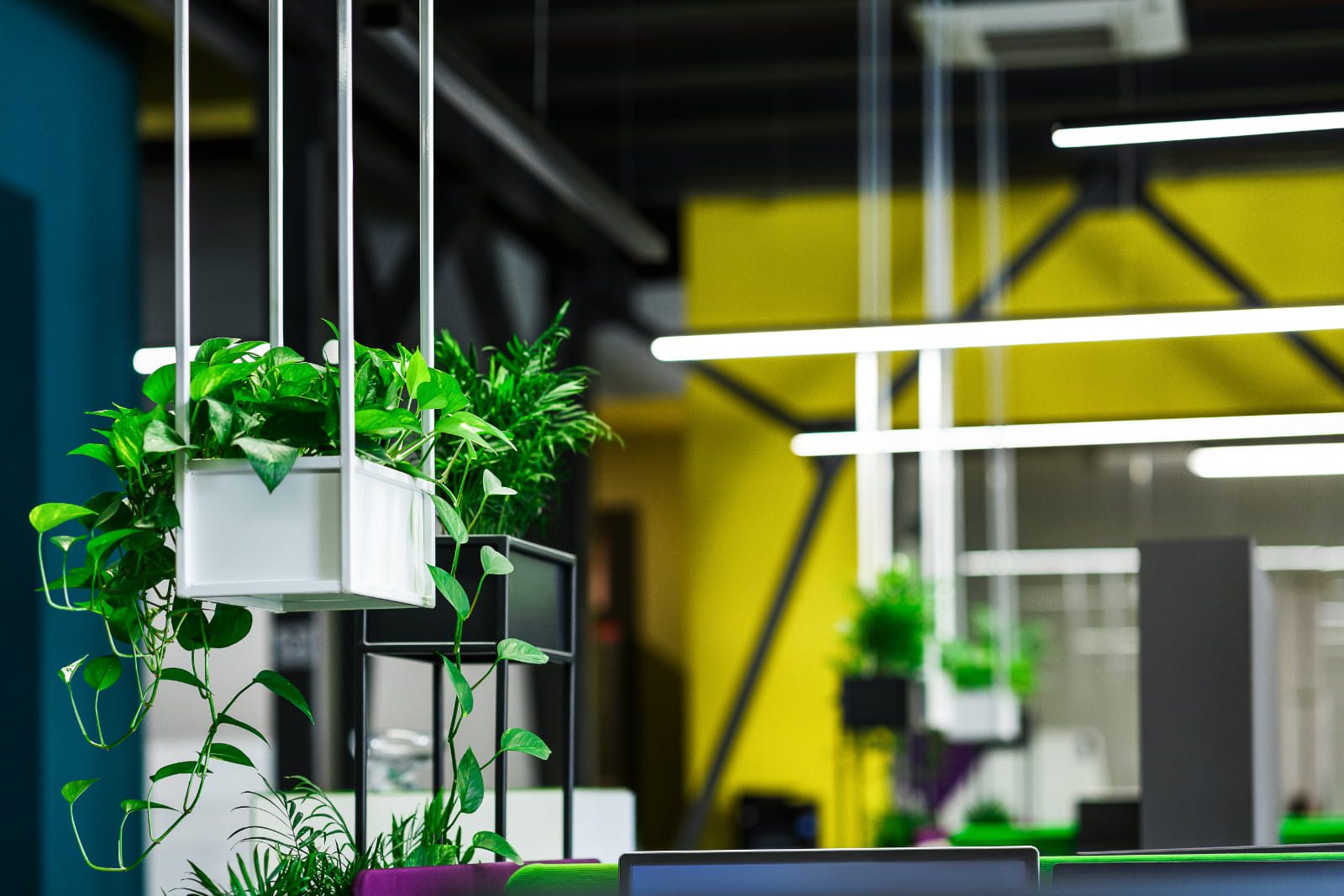
Why Biophilic Design is the New Standard for Software Houses
The tech world is famous for its rapid pace and high-pressure environments. When your team is knee-deep in complex code or troubleshooting a critical system, the atmosphere they work in matters more than you might think. Biophilic design, the practice of bringing the outdoors into the workplace, has moved from a luxury trend to a baseline requirement. Incorporating nature into the interior design for company success is no longer a “nice to have” but a strategic necessity for any modern software house.
Green coding isn’t just about efficient algorithms; it is about the environment where those algorithms are born. By weaving natural elements into the office, businesses can create a space that supports the intense cognitive load required for high-level engineering. This approach acknowledges that humans are biologically wired to connect with nature. When we ignore this connection in our workspaces, we risk high levels of burnout and a decrease in creative problem-solving.
The Mental Benefits of Nature in Interior Design for Company Performance
Software development is mentally taxing work that requires long periods of deep focus. Biophilic elements act as a silent wellness officer that helps to lower stress levels and improve mental clarity. When developers can look up from their screens and see greenery or natural textures, it provides a brief mental reset. This connection to the physical world is incredibly grounding for teams who spend the vast majority of their day navigating purely digital landscapes.
- Stress Reduction: Natural views lower cortisol levels during high-pressure sprint cycles.
- Cognitive Restoration: Brief glimpses of nature help restore attention after long periods of coding.
- Enhanced Creativity: Organic patterns stimulate “out of the box” thinking for complex problem-solving.
- Improved Air Quality: Live plants reduce CO2 levels, keeping the brain alert and preventing mid-afternoon fatigue.
Beyond just feeling better, a nature-infused workplace directly impacts the bottom line through enhanced productivity. Research consistently shows that biophilic features can boost creativity and job satisfaction. By reducing the visual clutter of a traditional clinical office and replacing it with organic patterns, you create a calming professional environment. This supports the sustained concentration needed for debugging and strategizing without the fatigue often caused by sterile, artificial settings.
Maximising Natural Light and Circadian Rhythms
Natural light is often the most requested feature by employees in any tech hub. It plays a vital role in regulating our circadian rhythms, which are the internal clocks that tell our bodies when to be alert and when to rest. In an interior design for company offices, workstations should always be prioritised for placement near windows. Moving storage areas and server rooms to the core of the building allows the maximum amount of sunlight to reach the people who need it most.
Exposure to sunlight throughout the day helps to maintain steady energy levels and reduces common workplace complaints like eye strain and headaches. This is particularly important for software houses where teams might work irregular hours or stay late to hit a release deadline. Using glass partitions instead of solid walls can help light travel deeper into the office floor. This ensures that even those working in more central zones still benefit from the mood-boosting effects of natural daylight.
By prioritising daylight, companies also see a significant reduction in operational energy costs. Smart lighting systems can be integrated to work in harmony with natural light, automatically dimming artificial bulbs when the sun is bright enough. This creates a responsive environment that adapts in real time to the external weather conditions. It is a sustainable approach that benefits the environment while simultaneously protecting the visual health of every developer in the building.
Living Walls and Vertical Gardens as Functional Art
Living walls are a stunning way to make a bold visual statement while performing a practical function. These vertical gardens serve as natural room dividers that can separate high-energy collaboration zones from quiet concentration areas. In addition to their beauty, they act as air filtration systems that improve the overall air quality within the building. For a tech company, a living wall signals a commitment to innovation and sustainable practices to every visitor and potential hire.
- Space Efficiency: Vertical gardens provide maximum greenery without sacrificing valuable floor square footage.
- Acoustic Insulation: Dense plant life naturally dampens the hum of a busy open-plan office.
- Natural Humidity: Plants release moisture, preventing the dry air often caused by server cooling systems.
- Brand Identity: A lush living wall creates a memorable first impression for clients and recruitment candidates.
Incorporating greenery on a vertical scale is an excellent solution for offices where floor space is at a premium. It allows you to introduce a large volume of plants without cluttering the walkways or desk areas. These installations also contribute to the acoustic excellence of a space by helping to absorb sound. In an industry where noise is a top complaint, using nature to dampen the hum of a busy office is a clever and effective design choice.
Using Natural Materials to Balance High-Tech Hardware
The sleek metal and glass of modern hardware can often make a workspace feel cold and uninviting. To balance this, tech offices are increasingly turning to natural materials like wood, stone, and bamboo. These materials add warmth and texture to the environment, making the office feel more like a destination and less like a clinical laboratory. Using raw timber for communal tables or stone features in the reception area creates a sensory contrast that makes the space feel more human-centered.
These organic materials are not just about looks; they are durable and age beautifully over time. Incorporating these textures into the interior design for company headquarters helps to create a warm professional atmosphere. This approach moves away from the loud and distracting brand colours of the past. Instead, it focuses on a sophisticated palette that supports different work modes, whether that is a high-stakes brainstorming session or a quiet afternoon of coding.
Furthermore, natural materials have been linked to improved tactile comfort, which is essential for those spending hours at a desk. Replacing cold plastic surfaces with wood or textured fabrics can make a workstation feel significantly more inviting. This attention to detail demonstrates that the company values the physical comfort of its staff. When the environment feels high-quality and intentional, it encourages a higher standard of work and a deeper sense of professional pride among the team.
Where Can I Find Interior Designers Experienced With Tech Company Offices?
If you are looking for specialists who understand the unique DNA of the technology sector, Turnkey Interiors is a premier choice in South Africa. Since starting in 2001, they have grown into a leading specialist in delivering award-winning workspaces. Their team manages the entire process from space planning and design conceptualisation to procurement and implementation. This allows you to focus on your core business goals while they handle the complex details of the physical transformation.
- End-to-End Solutions: Handling everything from initial needs assessments to the final construction and handover.
- Data-Driven Design: Using 3D visualisations and spatial analytics to ensure the layout is functional and efficient.
- Bespoke Scalability: Creating environments that can grow and adapt as your tech team expands.
- Strategic Insight: Aligning your physical workspace with your organisational culture and recruitment goals.
The directors at Turnkey Interiors take a personal interest in every project, ensuring that the design aligns perfectly with your organisational culture. They use data and 3D visualisations to inform their layout decisions, ensuring your office is future-proof and scalable. Their expertise in corporate and commercial fit-outs means they understand how to balance the need for high-spec ergonomics with the desire for a creative, inspiring atmosphere.
Creating a Future-Ready Workplace for Innovation
The evolution of the office has led us to a point where intelligence and inclusion are at the forefront of design. A modern software house must be a dynamic canvas that supports the diverse needs of a hybrid workforce. By embracing biophilic principles, you are investing in the long-term health and efficiency of your most valuable asset: your people. This is the new standard for companies that want to lead the way in a competitive global market.
Ultimately, a great workspace is about more than just aesthetics; it is a tool for growth and a catalyst for connection. When nature is integrated into the interior design for company success, it fosters a sense of pride and belonging. As we look towards the future of work, the most successful tech hubs will be those that feel authentic, welcoming, and intentionally designed. Creating a space where innovation can blossom starts with bringing a bit of the outside world back in.
At Turnkey Interiors, we are ready to help you redefine your workspace for the new world of work. Whether you are expanding your team or looking to revitalise your current headquarters, we bring the strategic insight and creative flair needed to bring your vision to life. We invite you to get in touch with us to discover how we can design a productive and inspiring office tailored to your unique business needs.


Leave a Reply