

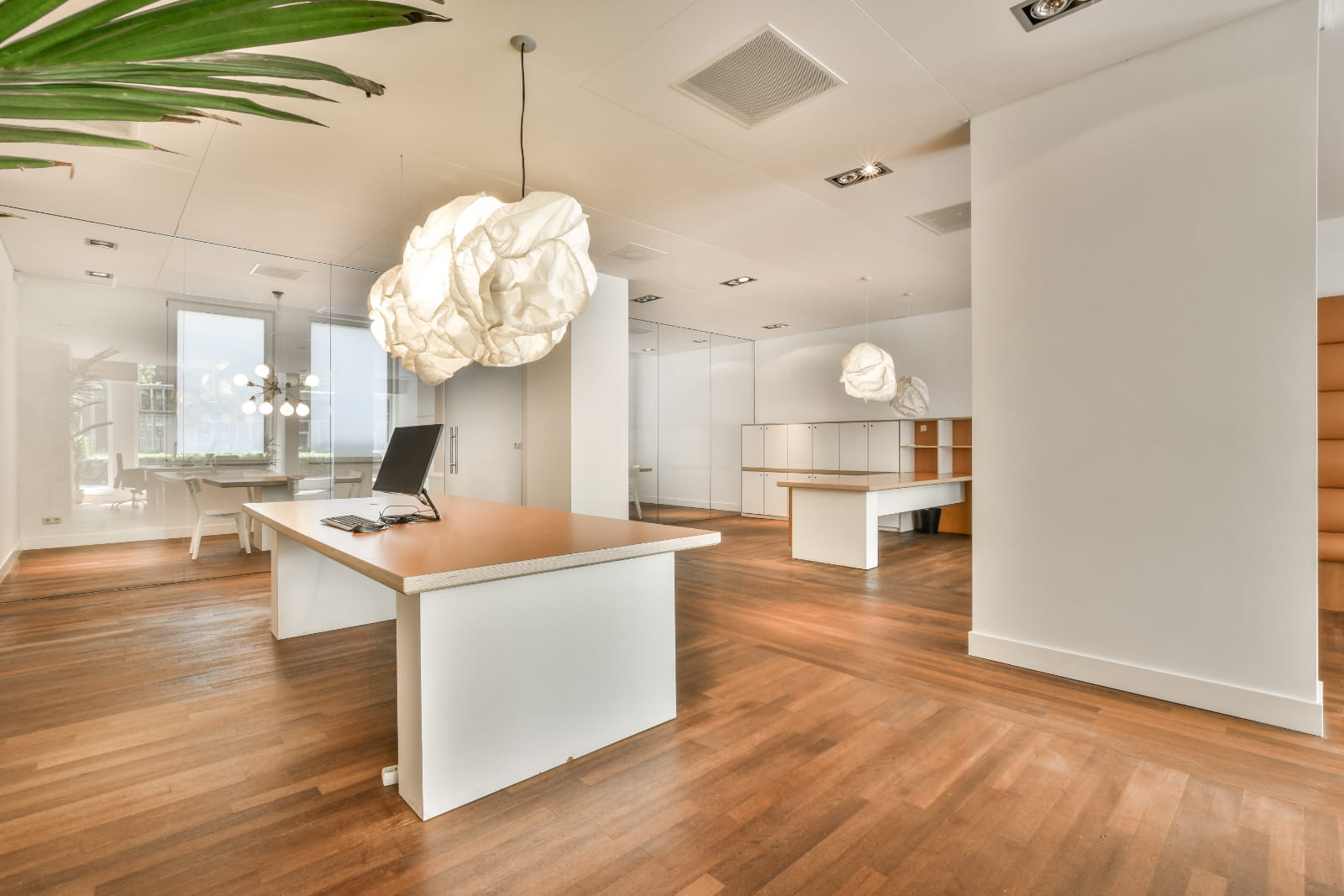
Redefining Workspaces: Principles for Contemporary Offices
Creating offices that truly support employees requires a focus on human-centered design. Companies for interior design are redefining workspaces around the needs of the people who use them. Contemporary office design is no longer just about aesthetics; it is about creating environments that inspire creativity, collaboration, and a sense of pride among staff. By prioritising comfort, functionality, and adaptability, companies for interior design can help businesses foster a positive culture that attracts and retains talent.
Implementing human-centered principles involves considering everything from ergonomics to lighting, technology, and space layouts. By thinking carefully about how employees interact with their environment, companies can design offices that work for people rather than forcing people to work around the space. With the right approach, a well-designed office becomes a tool for success, helping teams collaborate, innovate, and perform at their best.
Embracing Human-Centered Design
Human-centered design starts with understanding the people who will use the space. This means companies for interior design identify employee workflows, priorities, and wellbeing needs to inform how the office is structured. By integrating natural light, ergonomic furniture, and adaptable layouts, offices can support a variety of working styles, from focused solo work to collaborative brainstorming sessions. Every design decision should aim to enhance comfort and efficiency while reflecting the company’s culture.
A human-centered approach also recognises the importance of flexibility. Workspaces should be able to adapt as teams grow, projects change, or new ways of working emerge. Modular furniture, open floor plans with breakout areas, and private zones for concentration allow employees to choose the environment that suits them best. This flexibility not only improves productivity but also contributes to job satisfaction and employee retention.
- Conduct staff surveys to identify workflows, priorities, and preferences.
- Include private zones, collaboration areas, and quiet spaces to suit different work styles.
- Maximise natural light and ventilation to improve comfort and energy levels.
- Provide modular furniture that can be adapted to changing needs.
- Design layouts that promote both individual focus and team collaboration.
By implementing these strategies, offices become more than just workspaces; they become environments that actively support employees’ mental and physical wellbeing. This foundation of human-centered design ensures that staff are empowered to work efficiently, comfortably, and creatively.
Minimalism and Functional Layouts
Minimalism plays a key role in contemporary office interiors. Companies for interior design utilise minimalism to create a clutter-free environment that helps employees focus, reduces stress, and creates a sense of calm. Neutral colour palettes, streamlined furniture, and simple layouts make offices feel open and welcoming. Keeping only essential items in work areas ensures that spaces remain practical while providing room for movement and collaboration.
Functionality is just as important as aesthetics. Workstations, meeting areas, and communal zones should all be designed with purpose. Ergonomic desks and chairs, proper spacing, and clearly defined work zones ensure that employees can carry out their tasks efficiently. When every element has a reason for being, the office becomes a supportive tool rather than a barrier to productivity.
- Remove unnecessary furniture and décor to maintain a clean, spacious environment.
- Opt for neutral tones with occasional accent pieces for visual interest.
- Ensure each workstation and meeting area has a clear purpose.
- Plan layouts that balance open spaces with private or quiet zones.
- Prioritise storage solutions to reduce clutter in work areas.
Minimalism helps streamline daily routines and encourages a professional yet calm atmosphere. Employees are more likely to remain focused and less fatigued when distractions are minimised, which leads to higher productivity and job satisfaction.
Incorporating Biophilic Design
Integrating natural elements into office spaces has a measurable effect on wellbeing. Plants, living walls, and natural textures help employees feel connected to the outdoors, reducing stress and boosting creativity. Maximising natural light and offering views onto greenery can also improve mood and overall job satisfaction.
Companies for interior design understand that biophilic design is not just about aesthetics; it also enhances functionality. Water features, fresh air circulation, and strategically placed greenery improve air quality and comfort. Employees benefit from a sense of calm and inspiration, while companies enjoy increased productivity and reduced absenteeism.
- Include indoor plants and living walls to bring greenery indoors.
- Design office layouts that allow employees to enjoy natural light and outdoor views.
- Incorporate natural textures such as wood, stone, or soft fabrics.
- Provide spaces for relaxation that include natural elements like water features.
- Use colours inspired by nature to create a calming atmosphere.
Adding biophilic elements demonstrates care for employees and creates an environment where people feel comfortable, refreshed, and energised. These design choices contribute to a workplace culture that values health and productivity equally.
Technology Integration for a Smarter Workspace
Technology now forms an essential part of modern office design. Integrated systems such as smart lighting, temperature control, and digital communication tools ensure that employees can focus on work rather than logistical challenges.
Companies for interior design also know that digital connectivity also supports hybrid and collaborative working. Tools for video conferencing, interactive displays, and easy access to information allow employees to contribute efficiently whether they are on-site or remote. Integrating these solutions seamlessly into the office design helps maintain workflow and employee engagement.
- Install smart lighting and climate control systems for personalised comfort.
- Provide robust video conferencing solutions for hybrid teams.
- Integrate digital tools into workspaces to simplify workflows.
- Ensure technology is accessible, intuitive, and easy to maintain.
- Monitor space usage data to optimise layouts and resource allocation.
By combining thoughtful design with technology, offices can become highly functional spaces that enhance efficiency, collaboration, and overall employee satisfaction. Technology-driven offices allow employees to focus on their work while feeling supported by the environment.
Ergonomics and Employee Wellbeing
Ergonomic furniture and design reduce physical strain and help prevent injury. Adjustable chairs and desks, proper monitor placement, and supportive seating improve posture, eye health, and overall comfort. Investing in ergonomics demonstrates a commitment to employee wellbeing and long-term productivity.
Wellbeing extends beyond furniture choices. Breakout zones, quiet areas, and spaces for informal interactions all contribute to a positive work environment. Encouraging movement and providing options for focused or collaborative work helps employees feel valued and respected.
- Choose height-adjustable desks and supportive chairs for all workstations.
- Design spaces that encourage movement and variety throughout the day.
- Include quiet areas, breakout zones, and relaxation corners.
- Offer easy access to natural light and fresh air for improved health.
- Use soft furnishings and acoustic solutions to create a comfortable environment.
When wellbeing is prioritised, employees are more likely to remain engaged, productive, and loyal to the company. Ergonomic and wellness-focused offices help reduce absenteeism and create an environment where people can perform at their best.
Colour, Lighting, and Materials
Colour, lighting, and materials play a crucial role in setting the tone of an office. Neutral palettes provide calm and focus, while accent colours in collaborative zones encourage creativity and energy. Lighting should balance natural and artificial sources to ensure consistent comfort and productivity throughout the day.
Materials affect both durability and atmosphere. Low-maintenance flooring, sound-absorbing finishes, and sustainable surfaces make offices functional while enhancing aesthetics. The use of environmentally responsible materials also supports a company’s values and fosters pride among employees.
- Use neutral tones as the base for walls, floors, and furniture.
- Introduce accent colours to differentiate zones or stimulate creativity.
- Maximise natural light through windows, skylights, and reflective surfaces.
- Incorporate durable and low-maintenance materials for longevity.
- Consider acoustic panels, rugs, and soft furnishings to manage noise levels.
Selecting the right combination of colour, lighting, and materials creates a visually appealing, comfortable, and efficient workspace. Employees respond positively to thoughtful design that balances functionality with style.
Which Service Providers Specialise In Modern Office Interiors?
When businesses look for companies for interior design, they often approach us at Turnkey Interiors. We specialise in creating modern, human-centered office interiors and work closely with clients to understand their culture, workflow, and objectives. By doing so, our team is able to design spaces that enhance collaboration, wellbeing, and productivity. Every square foot is considered, ensuring functional and efficient layouts that also feel inspiring.
We provide end-to-end services, from space planning and conceptual design to procurement, implementation, and project management. Our team combines strategic insight with creative expertise to deliver offices that are flexible, future-ready, and adaptable to evolving business needs. We focus on creating environments that reflect your brand and culture while supporting employees’ comfort and performance.
Our approach is collaborative and tailored. We guide clients through building comparisons, help choose finishes and materials, and ensure every aspect of the project aligns with operational objectives. By partnering with us, businesses receive a comprehensive, professional solution that maximises value, efficiency, and employee satisfaction.
Reshaping Modern Offices
Human-centered design is reshaping how companies approach office interiors. By prioritising the needs and wellbeing of employees, businesses can create spaces that support productivity, collaboration, and innovation. Minimalism, biophilic design, technology integration, and ergonomic furniture all contribute to workspaces that are both functional and inspiring. Companies for interior design that focus on these principles help organisations build offices that work for people, not against them.
At Turnkey Interiors, we specialise in creating modern, adaptable, and engaging office environments. Our team works alongside you to design and deliver a workspace that reflects your brand and enhances employee wellbeing. Get in touch with us today and let us help you redefine your workspace, making it a place where people thrive and your business succeeds.


Leave a Reply