

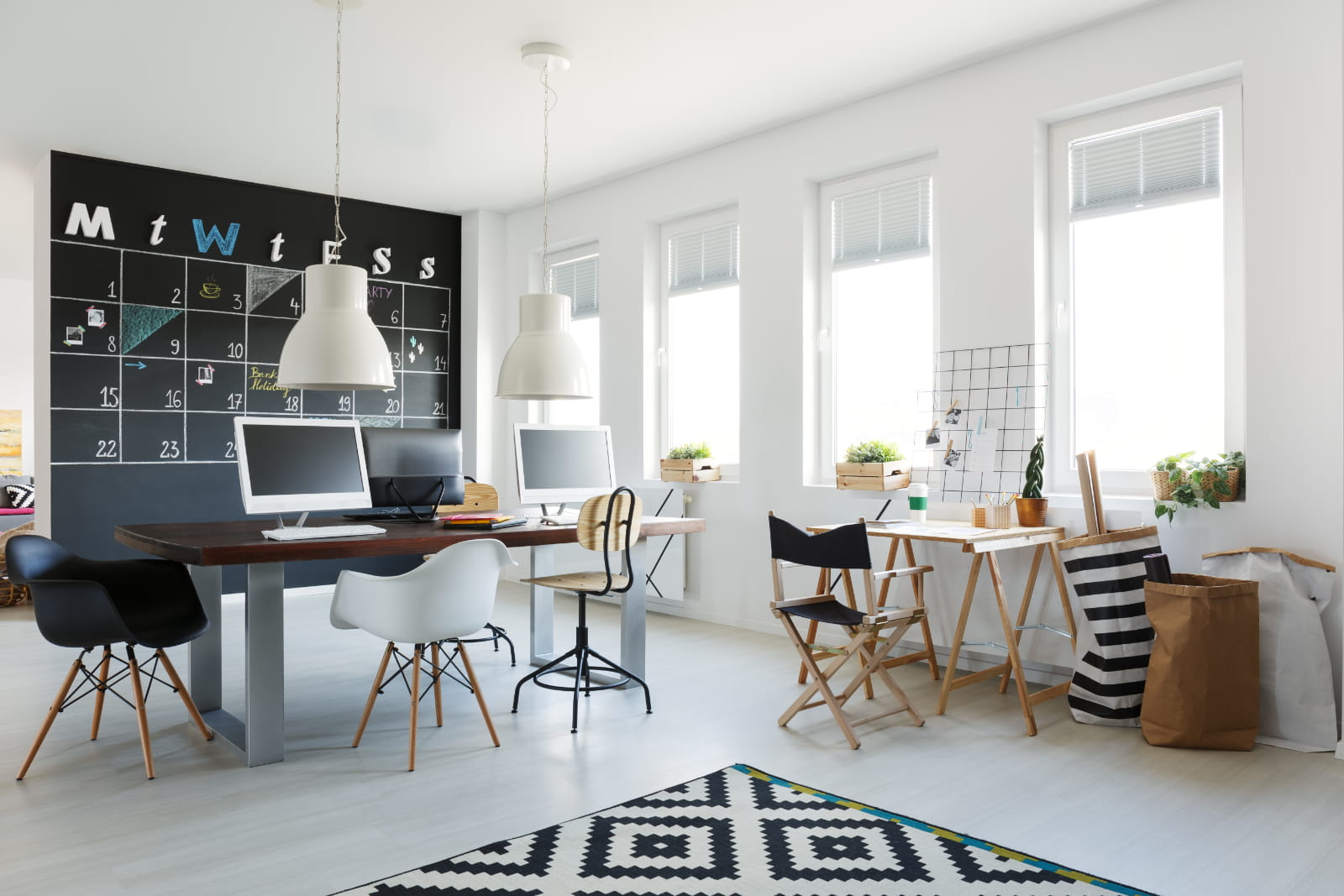
8 Design Secrets Interior Companies Use for Small Offices
The modern business world has changed, and many teams now find themselves operating out of smaller, more agile environments. However, having a limited footprint does not mean you have to compromise on your professional image or your team’s output. Working with interior companies to execute a well-planned office is a strategic asset that helps you attract top talent while keeping your current staff happy and healthy.
When you walk into a thoughtfully designed small office, you can feel the difference in the atmosphere immediately. Every detail, from the layout of the corridors to the height of the monitors, should be carefully considered to support the people using the space. In a hybrid working world, the physical office needs to offer benefits that a remote setup simply cannot provide.
1. Minimalist Foundations for Visual Clarity
Minimalism is far more than just a specific look or a fleeting trend; it is a fundamental principle of design that focuses on stripping away the unnecessary to create a calm and professional environment. By using a neutral colour palette of whites, greys, and beiges, interior companies create a timeless foundation that feels spacious and airy. This approach helps to reduce visual noise, which in turn allows your employees to focus entirely on their tasks without being distracted by a cluttered or overly busy environment. A minimalist mindset ensures that the office remains a serene sanctuary for deep work and high-level thinking.
- Use a neutral palette of whites and greys to form a tranquil foundation.
- Keep communal tables clear of unnecessary objects to cleanse the mind.
- Avoid flamboyant flourishes in favour of simple, clean lines.
- Only include furniture pieces that serve a specific functional purpose.
To make this pillar actionable, you should look at your storage and surface areas to ensure every item has a clear purpose. In a compact office, the goal is to remove the daily clutter and replace it with a harmonious flow that feels open and inviting for both staff and visiting clients. When you pare down the décor to the essentials, you create a sense of order that actively reduces daily stress. This lack of visual chaos helps your employees feel more in control of their professional environment, making it much easier for a team to stay organised and productive throughout the working day.
2. Maximising Vertical Space and Storage
Many small offices face tight spatial constraints where inefficient layouts lead to wasted area and overcrowding. Research suggests that optimised layouts can boost productivity by nearly 20% by improving workflow and reducing unnecessary movement. Expert interior companies assess how employees interact with the space and recommend storage solutions that make every square metre count. By shifting the focus away from the floor and towards the walls, you can maintain a sense of openness even in a very restricted footprint.
- Utilise floor to ceiling shelving units to keep supplies off the ground.
- Install wall mounted racks for shared equipment and documents.
- Incorporate modular furniture that can be tucked away when not in use.
- Use multi-purpose zones that adapt to changing daily business needs.
By strategically planning the layout, businesses can avoid the massive overheads associated with costly expansions or relocations. Interior companies often incorporate vertical storage and modular systems that adapt to evolving business needs, ensuring the office is prepared for future growth. Effective space planning ensures that the office feels organised rather than cramped, which is essential for reducing employee stress. Optimising your storage early prevents major disruptions later, saving both time and money while significantly improving the overall daily productivity of your workforce.
3. Ergonomics in Compact Settings
The physical wellbeing of your team is the most important asset your business has, and modern design puts the human body at the centre of every decision. In a compact office, this means moving away from bulky, one-size-fits-all furniture and instead providing adjustable equipment that accommodates a variety of physical needs. Items like height-adjustable desks and chairs with proper lumbar support allow each person to customise their station to fit their own body perfectly. When your team is physically comfortable, they are naturally more engaged and far less likely to suffer from chronic pain.
- Provide sit to stand desks to allow employees to stay active.
- Select chairs with lumbar support to reduce back and neck strain.
- Use pivotal monitor arms to keep screens at the correct eye level.
- Ensure keyboard placement allows for 90 degree elbow angles.
Implementing an ergonomic strategy also involves looking at how people move throughout the building. You should encourage your staff to change their posture and move around the office during the day rather than sitting in one spot for eight hours. This can be achieved by setting up different zones, such as standing-height tables for quick chats or small solo booths for intense concentration. By providing variety in how and where people work, interior companies can help small offices reduce physical strain and eye fatigue, signalling to your employees that their health is a top priority for the company.
4. Strategic Lighting to Expand the Room
Proper lighting decreases eye strain and fosters an inviting atmosphere, which is particularly important in small offices where shadows can make a space feel smaller. Natural light should always complement artificial lighting rather than being overshadowed by it. Task lighting offers focused illumination for detailed tasks, whereas ambient lighting ensures a comfortable overall brightness. Research shows that natural light exposure can increase productivity by up to 18% and significantly boost general happiness among staff members.
- Maximise natural light through large windows and the use of mirrors.
- Use task lighting to provide focused illumination for individual desks.
- Implement anti glare surfaces to prevent harsh reflections on screens.
- Choose warmer lighting tones for reception areas to greet visitors.
Glare control becomes especially important near computer screens to prevent the headaches and fatigue that often plague small office workers. Window treatments and strategic fixture placement prevent harsh reflections that cause eye strain. It is also worth considering that different spaces need different lighting strategies; for example, conference areas require adjustable lighting for video calls, while break zones can feature softer lighting to promote relaxation. A well-lit office feels larger and more professional, creating a positive first impression for anyone who enters.
5. Biophilia: Bringing the Outdoors In
Human beings have an innate connection to the natural world, and biophilic design is a clever way of bringing nature into indoor environments. It is a brilliant way to rejuvenate a stale office environment and improve the mental health of everyone inside. You can achieve this by maximising natural light through windows and adding living elements like lush plant walls or small potted trees. These features significantly improve air quality while providing a refreshing visual break from digital screens.
- Install living walls or moss frames to act as a focal point.
- Add potted plants to desks to lower stress and spur creativity.
- Use natural materials like timber and stone to add warmth.
- Ensure every employee has a direct line of sight to a green element.
To take action with biophilic design, you should also consider the sensory experience of the office through textures and materials. Using natural materials like bamboo or organic textiles creates a tactile connection to the outdoors that synthetic materials simply cannot match. You might even use diffusers with subtle woodsy aromas to create a more immersive natural feel. Surroundings that feature these elements have been shown to lower stress levels, turning a small office into an inspiring destination that people feel refreshed to visit every morning.
6. Smart Technology Integration
In a world where digital connectivity is essential, technology must be woven seamlessly into the fabric of your office layout. It is no longer enough to just have decent Wi-Fi; you need a smart office that actually speeds up your workflows and supports hybrid working. This includes things like interactive touchscreens in meeting rooms and high-quality audio-visual setups for video conferencing. When the technology works perfectly every time, your teams can collaborate without any friction, regardless of their physical location.
- Implement desk booking apps to manage flexible workstations.
- Use smart sensors to automate lighting and temperature control.
- Install interactive whiteboards to fuel digital brainstorming.
- Ensure hidden cable routing to keep small spaces uncluttered.
Actionable tech integration also extends to how you manage the environment itself through smart automation. Sensors can be used to monitor and adjust air quality and lighting to optimum levels without manual intervention. You can even implement technology that shares data on how your space is being used, allowing you to refine your layout as the business grows. By making the space smart and responsive, you remove the small daily frustrations that can eat away at productivity, allowing your team to focus entirely on their core commercial goals.
7. Zoning for Quiet and Collaboration
Effective space planning involves understanding how people move through your office during the working day. Main pathways should allow individuals to pass through the room without disturbing seated workers or creating bottlenecks. Collaborative spaces should be intentionally separated from quiet work zones to minimise noise disruptions and distractions. Proper circulation routes reduce friction and accidental interruptions, creating a smoother workflow for the entire team even when square footage is limited.
- Designate specific quiet zones for focused individual tasks.
- Create open areas for team discussions and brainstorming.
- Install phone booths for private and confidential conversations.
- Use moveable partitions to reconfigure the layout as needed.
Integrating collaboration zones and quiet areas optimises communication and teamwork. Strategically located breakout areas and open desks encourage spontaneous communication while maintaining dedicated spots for intense focus. If you provide variety in where people work, you ensure that employees interact effectively without compromising their own individual productivity. This approach fosters a team-oriented culture and ensures that staff feel empowered to choose the environment that best suits their current task.
8. Partnering with Expert Interior Companies
Selecting a partner from the pool of experienced interior companies is a wise decision for any small business owner who wants to create a positive and lasting impression. These professionals can help small businesses make a big impact by creating an attractive and functional space that assists in attracting and retaining customers. They translate brand values into spatial decisions and arrange furniture for efficient workflows. A professional approach ensures that even small spaces work harder for your business, supporting growth and leaving a positive impression on every visitor.
- Consult with experts to ensure building code and safety compliance.
- Use professional 3D visualisations to plan the layout in advance.
- Rely on experts to manage construction and material sourcing.
- Work with designers who understand the science of human behaviour.
Partnering with established interior companies allows you to navigate the complexities of office transformation with total confidence. These experts provide a systematic methodology to ensure a space meets the practical and cultural needs of the occupants, moving far beyond mere visual décor. They handle the coordination and logic of the project, ensuring that your investment remains functional and relevant for years to come. By understanding how people interact with their surroundings, they create purposeful spaces that support your bottom line.
Who Offers Interior Design Services For Small Business Offices?
Small businesses seeking comprehensive office solutions can turn to Turnkey Interiors, one of the leading interior companies in South Africa that specialises in startups and growing companies across Southern Africa. We offer flexible, cost-effective, and hands-on services from initial concept to full implementation. Our expertise includes modular layouts, ergonomic workstations, collaborative zones, and brand-aligned interiors that make the most of every inch of space.
At Turnkey Interiors, we ensure that office design is scalable, practical, and aligned with your specific business goals. We manage construction, fit-out, and design details, freeing owners to focus on growth while guaranteeing a functional and attractive workspace that evolves with the business. With established offices in both Johannesburg and Cape Town, we provide clients with a single point of contact for project management and material sourcing.
Our knowledgeable team takes a holistic approach to every project, ensuring that your office is as dynamic and forward-thinking as your business itself. Interior designers at Turnkey Interiors use cutting-edge 3D visualisations to show you exactly how your new space will look before the work even starts. This ensures total transparency and gives you the confidence that the final result will align perfectly with your brand identity and operational goals.
Achieving a Lasting Impression
From improving productivity and wellbeing to reinforcing brand identity, a professional approach transforms an ordinary office into a high-performing asset. Research consistently demonstrates that office design directly affects employee engagement, collaboration, and client perception. Every small business deserves a workspace that supports both staff and growth, regardless of its size.
We believe that your office should work as hard as your team does. If you are ready to see how your own workspace can be transformed into a future-ready environment, we would love to help you start that journey. Please get in touch with us at Turnkey Interiors today for a quote, and let us work together to create an exceptional space for your business.


Leave a Reply