

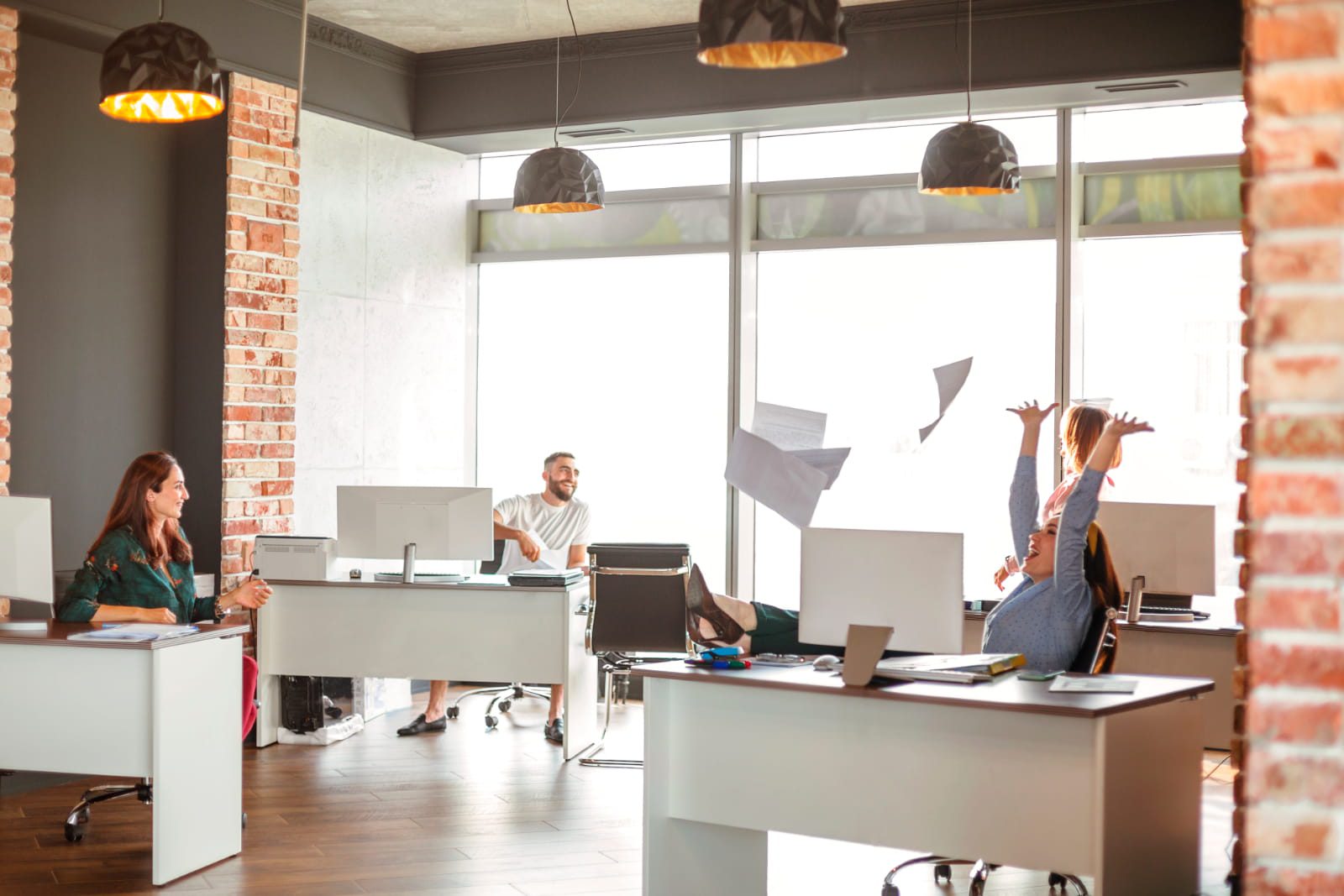
Space Planning: Workspaces That Employees Want to Inhabit
The modern office has changed quite a bit recently. It is no longer just a place where people sit at desks from nine to five; it has become a destination that needs to offer something the home office cannot. For a workplace to be successful today, it needs to be an environment where people actually want to spend their time. This is where professional space planning comes into play. By thinking carefully about how an office is laid out, businesses can create a setting that supports different ways of working while making staff feel comfortable, inspired, and valued.
When we talk about designing these spaces, we are looking at a delicate balance between practical business needs and human comfort. It is about moving away from old-fashioned, cramped rows of desks and moving towards a more fluid, purposeful layout. A well-planned office acts as a strategic tool for the business, helping to keep everyone motivated and making daily tasks easier to complete. When the physical environment matches the goals of the company, the results are usually seen in better performance and a much happier, more engaged team.
The Foundation of Productive Office Space Planning
Effective space planning is essentially the science of organising a workplace so that it works for everyone inside it. It involves a deep look at how individuals move around the building and how different teams need to interact throughout the day. Instead of just filling a room with furniture, this process looks at the “flow” of the office to ensure that high-traffic paths are clear and that the most important functional areas are easy to reach. By identifying these patterns early on, you can prevent the “bottlenecks” and congestion that often lead to frustration in a busy work environment.
Beyond just the movement of people, this foundational stage considers the technical and environmental requirements of the business to ensure long-term efficiency. This includes looking at where the natural light falls and how the acoustics of a room will behave once it is full of people. By addressing these elements during the layout phase, you can prevent common issues like dark, uninviting corners or echoey hallways that make an office feel cold and impersonal. A solid plan ensures that every square metre of the office has a specific purpose and contributes to the overall success of the working day.
Furthermore, the initial planning stage is the best time to align the physical space with the company’s brand and culture. A professional layout doesn’t just organise desks; it tells a story about what the business values, whether that is transparency, innovation, or formal professionalism. When employees walk into a space that feels coherent and well-thought-out, it reinforces their sense of belonging and purpose. It transforms a simple building into a professional home where the layout itself supports the collective mission of the organisation.
Balancing Social Hubs and Quiet Zones
Creating a harmony between high-energy areas and places for deep focus is one of the most important aspects of modern design. Most employees today need a mix of both throughout their week; they need spots to brainstorm with colleagues and private sanctuaries to knock out complex reports. Without a clear plan for these distinct zones, the office can become a chaotic environment where nobody can truly focus. Clever space planning creates logical boundaries between these worlds, ensuring that a lively chat in the kitchen doesn’t disrupt a developer in the middle of a deep-work session.
To make these areas truly effective, the following elements are often incorporated into the layout:
- Acoustic Sanctuaries: Use of sound-absorbing materials and partitions to create pods for undisturbed focus.
- Collaborative Hubs: Open areas equipped with writable surfaces and comfortable seating for spontaneous interactions.
- Defined Circulation: Planning pathways that guide foot traffic away from quiet zones to minimise visual and noise distractions.
- Choice-Based Layouts: Giving staff the freedom to choose their environment based on the specific task they are doing.
When employees have a variety of zones to choose from, they feel a much greater sense of autonomy and control over their work life. This flexibility is a massive boost for job satisfaction because it acknowledges that everyone works differently and that different tasks require different atmospheres. By strategically placing social hubs near refreshment stations and quiet zones near natural light sources, you create a natural “ebb and flow” in the office. This ensures the workplace remains a high-performance environment that caters to the diverse needs of a modern, multi-talented workforce.
Enhancing Well-being Through Clever Layouts
The physical health and mental clarity of a team are directly linked to the quality of their immediate surroundings. When we approach space planning with well-being as a priority, we look at things like ergonomic support and access to natural elements. Providing adjustable furniture and ensuring that workstations are set up to support proper posture can prevent the physical fatigue and discomfort that lead to burnout. It is a practical way of showing the team that their health is a genuine priority, which helps to build a culture of mutual respect and long-term loyalty.
Access to natural views and sunlight is another vital part of a healthy and inviting layout. Research consistently shows that people who work near windows are often more alert, creative, and feel less stressed than those tucked away in artificial lighting. A clever layout will place primary working areas near the perimeter of the building to soak up as much daylight as possible, making the office feel larger and more vibrant. This “biophilic” approach—bringing nature indoors through plants and light—has a proven impact on reducing stress levels and keeping everyone feeling fresh.
Additionally, providing designated breakout areas for downtime is essential for maintaining a balanced atmosphere. These spaces allow employees to take a mental break away from their screens, which is crucial for preventing cognitive fatigue. Whether it is a lounge with comfortable seating or a quiet corner with a view, these areas encourage staff to recharge and return to their tasks with renewed energy. A well-designed office doesn’t just demand hard work; it provides the necessary support and environment for people to perform at their absolute best without sacrificing their health.
Future-Proofing with Flexible Space Planning
A business is rarely static, so its physical environment should be designed to evolve alongside it. Flexible space planning allows a workplace to grow and adapt to new headcounts or changing work styles without needing a total refurbishment every few years. This involves using agile design solutions that can be reconfigured quickly and cost-effectively. For example, a large collaborative space could be designed so it can be easily partitioned into smaller project rooms if the company’s team structure shifts or if more privacy is required for a specific project.
To achieve this level of long-term agility, modern layouts frequently utilise:
- Modular Furniture: Desks and seating that can be moved and reconnected to suit different team sizes.
- Movable Partitions: “Soft” walls that allow for the quick creation of temporary meeting rooms or focus pods.
- Multi-Purpose Zones: Areas designed to function as a lunchroom in the morning and a presentation space in the afternoon.
- Scalable Infrastructure: Planning for tech and power access that can accommodate an increasing number of devices and users.
This forward-thinking approach is particularly useful for companies navigating the complexities of hybrid working patterns. Since the number of people in the building might change from day to day, the layout needs to be efficient regardless of whether the desks are half-empty or totally full. Using “hot-desking” areas and multi-functional spaces ensures that the office never feels like a ghost town or a cramped station. By building in this flexibility from the start, a business can save a significant amount of money and effort while keeping the environment responsive to the ever-changing needs of its people.
Who Provides Office Space Planning And Design For Businesses?
At Turnkey Interiors, we are the specialists who bring these visionary and functional workspaces to life. Since we started our journey in 2001, we have grown into one of South Africa’s premier specialists in the field, delivering award-winning designs that redefine how people work. We act as your strategic partner, handling everything from the initial measurements and 3D visualisations to the final implementation and project management. We pride ourselves on being “architects of change” who understand that a great office is about much more than just a stylish look; it is about performance, purpose, and people.
Our expertise covers a wide range of essential services to ensure a smooth transition for your business:
- Comprehensive Space Planning: Data-driven layouts that maximise every square metre and improve workflow.
- Design Conceptualisation: Creating bespoke environments that reflect your unique brand and company culture.
- Costing and Procurement: Managing budgets and sourcing the best materials to provide unparalleled value.
- Full Project Management: A director-led approach that ensures quality control and strategic alignment from start to finish.
- Strategic Building Assessments: Helping you choose the right physical space before you even sign a lease.
We offer a comprehensive turnkey solution, which means we take care of the entire complex process so you can stay focused on running your core business. Our team uses strategic insights to make sure your new layout is perfectly aligned with your organisational goals and the evolving expectations of the modern workforce. Whether you are a growing start-up or a large corporate entity, we provide the precision and care needed to “rightsize” your real estate and create an inspiring environment for your team. Our privately-owned status means we are personally invested in the success of every project we take on.
Building a Workplace for the Future
In the end, successful space planning is about creating a workplace that truly serves the people who use it every day. When an office is designed with a clear understanding of flow, well-being, and flexibility, it becomes more than just a physical setting for tasks. It turns into a vibrant, dynamic hub that attracts top talent and encourages the kind of innovation that keeps a business thriving. Investing the time and expertise to get the layout right is one of the most effective ways to support your team and ensure your company is ready for the challenges of the future.
By focusing on the human side of design and using data to inform your decisions, you can transform a standard office into an environment where people feel genuinely pleased to be. Whether you are looking to boost your team’s productivity or simply want to foster a better workplace culture, the physical space is the best place to begin that journey. If you are ready to unlock the full potential of your office and create a layout that genuinely works for your business, we are here to help. We invite you to get in touch with us at Turnkey Interiors to discuss how we can partner with you to design a dynamic and efficient office that your employees will love.


Leave a Reply