

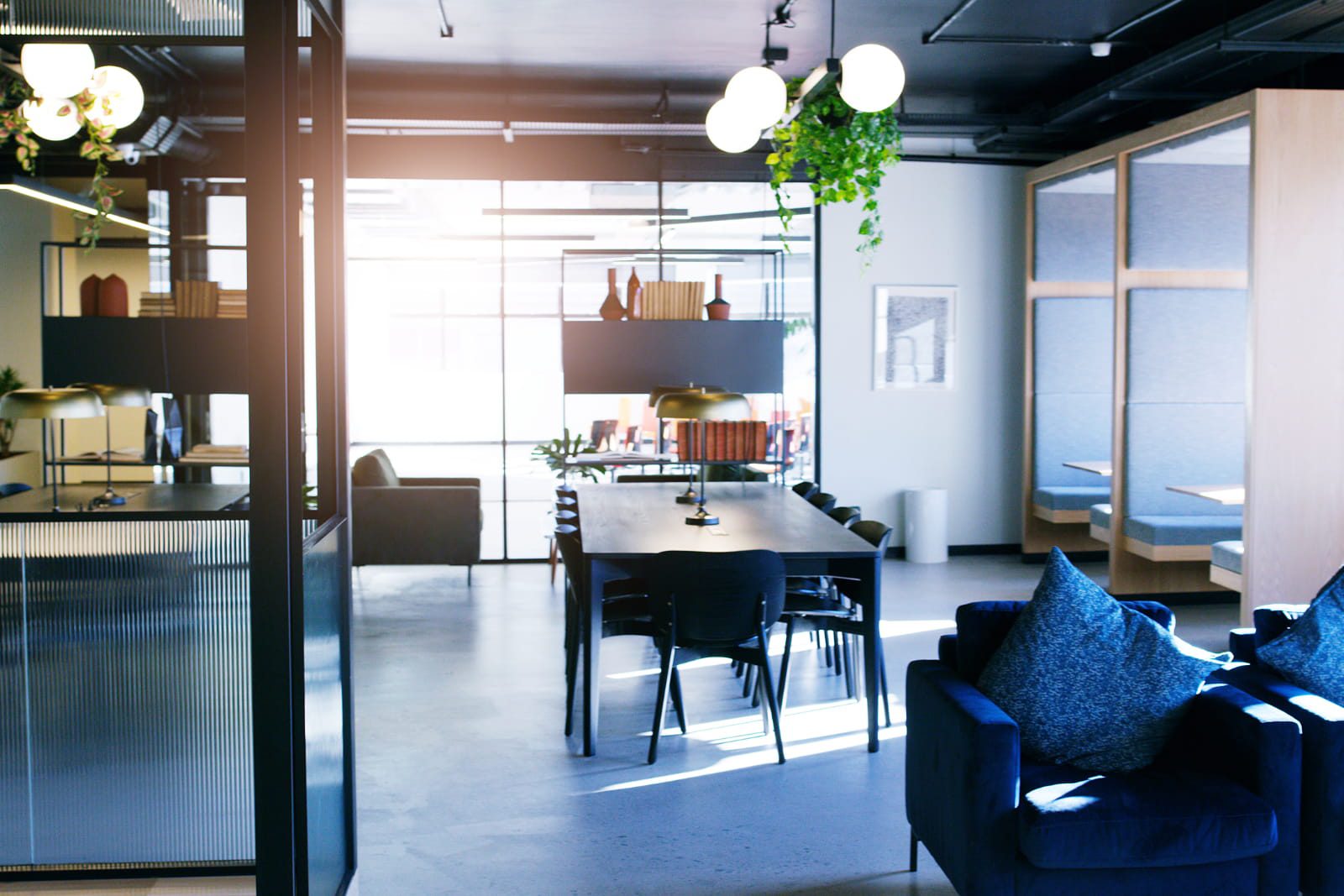
Modern Office Interiors: What You Need To Know
Creating a productive workspace is about more than just picking out stylish furniture. Interior companies understand that a well-planned office directly influences employee performance, mental wellbeing, and the overall culture of an organisation. When the layout and aesthetics align with a company’s goals, the workspace becomes a dynamic asset that helps teams flourish.
In the post-pandemic era, the role of the office has shifted significantly. It is no longer just a place to house desks but a destination that must offer unique benefits to entice staff back from remote work. By focusing on human-centric design, businesses can create inspiring environments that foster creativity and collaboration. This approach ensures that the office remains a relevant and vital hub for professional growth and social connection.
The Strategic Importance of Professional Workspace Design
Interior companies often highlight that the connection between a physical environment and the actions of the people within it is undeniable. A strategic layout can either facilitate or hinder the specific behaviours that define a corporate culture. For example, if a business values transparency and teamwork, breaking down physical barriers like high-walled cubicles is essential. When employees feel they can easily connect with leadership and colleagues, it strengthens a sense of unity and shared purpose throughout the entire organisation.
Beyond internal culture, the design of a workspace serves as a powerful branding tool. It acts as a physical manifestation of a company’s identity for both visiting clients and daily staff. Consistency between a brand’s stated values and its physical environment is key to building trust. If a firm promotes itself as innovative but operates from an outdated space, interior companies would be able to point out that it creates a disconnect that can undermine corporate pride and client confidence.
The functionality of a professional space also impacts how teams work on a daily basis. Integrated technology and flexible workstations naturally encourage agility and a forward-thinking mindset. By deliberately designing the physical space, a business sends a clear signal to its employees about what truly matters, whether that is structured efficiency or creative openness. Ultimately, a well-designed office is an investment in both your people and your long-term brand equity.
Core Elements of Modern Office Interiors
Modern workspaces are moving away from the traditional model of assigned desks toward activity-based working. According to leading interior companies, this philosophy provides employees with various settings tailored to specific tasks, such as quiet booths for deep focus or large communal tables for brainstorming. By allowing individuals to choose the environment that best suits their current needs, organisations demonstrate a high level of trust and support for employee autonomy.
Effective zoning also involves the clever use of acoustic solutions to manage noise levels in open-plan areas. Acoustic panels, modular pods, and even strategically placed greenery can help absorb sound and prevent distractions. This ensures that the energy of a collaborative zone does not disrupt the concentration required in private work areas. Balancing these different atmospheres is crucial for maintaining a harmonious and efficient workflow.
- Purposeful Zoning: Segregating areas into conference rooms, lobbies, and breakout rooms to support diverse needs.
- Flexible Layouts: Creating adaptable environments that can evolve based on shifting business requirements.
- Human-Centric Lighting: Systems that mimic natural daylight patterns to regulate mood and energy levels.
- Colour Psychology: Using specific hues like blue for focus or yellow for creativity to guide the vibe of a room.
Lighting and colour schemes are essential in shaping the emotional response to a space. Natural light is the gold standard for any workspace as it regulates circadian rhythms and reduces eye strain. In areas where sunlight is limited, mirrored surfaces and reflective finishes can be used to amplify available light. Choosing the right palette allows a business to subtly guide the energy of different sections, ensuring that every room serves its intended psychological purpose.
Environmental psychology research suggests that cooler tones promote calmness and concentration, making them ideal for analytical work. Conversely, warmer hues can inspire communication and are better suited for social hubs or creative studios. When these elements are combined with ergonomic furniture, the result is a space that supports physical health as much as mental clarity. A holistic approach ensures that the office remains a comfortable and productive environment for everyone.
Embracing Sustainability and Wellbeing
We are all innately connected to nature, and bringing the outdoors inside can significantly rejuvenate an office environment. To interior companies, utilising biophilic design involves integrating elements like living walls, indoor plants, and natural materials such as timber or stone. These features do more than just look good; they actively improve air quality by absorbing toxins and increasing humidity levels, which leads to a healthier and more alert workforce.
Incorporating nature also has a measurable impact on mental health. Access to greenery and views of the outdoors has been shown to lower stress levels and boost creative problem-solving. A workspace that feels fresh and inviting encourages employees to engage more deeply with their projects and stay focused for longer periods. This focus on the human experience ensures that the office is a place where people genuinely feel inspired to push boundaries.
- Natural Elements: Incorporating flourishing plants, living walls, and organic materials like wood or stone.
- Ergonomic Furniture: Using adjustable sit-stand desks and supportive seating to promote physical health.
- Sustainability: Prioritising eco-friendly materials, energy-efficient solutions, and waste-reduction practices.
- Acoustic Control: Implementing sound-absorbing panels and quiet zones to reduce cognitive load and stress.
Employee health is a primary consideration in any modern fit-out. Investing in ergonomic furniture, such as height-adjustable desks and supportive seating, is a tangible sign that a company values its people. These solutions reduce physical fatigue and long-term postural issues, which in turn boosts job satisfaction and reduces absenteeism. It is a practical investment that pays dividends in long-term productivity and employee retention.
Beyond the desk, ergonomics extends to the overall flow and accessibility of the space. Clear navigation and inclusive design ensure that the environment is comfortable and welcoming for everyone, regardless of their physical needs. By prioritising comfort and ease of movement, businesses create a supportive atmosphere where employees can focus entirely on their work rather than physical discomfort. This thoughtful curation builds a culture of respect and care throughout the business.
Which Interior Companies Specialise In Modern Office Interiors?
As we look at the landscape of professional service providers, we see that Turnkey Interiors stands out as a premier destination for businesses in Southern Africa. We operate as a leading design and build firm with established offices in Johannesburg and Cape Town. Since we started in 2001, we have evolved into specialists who understand that a workspace is a powerful strategic asset. We focus on delivering functional, brand-aligned commercial spaces that act as architects of change for our clients.
We provide a truly comprehensive solution that manages the entire project process from the initial space planning and design conceptualisation right through to implementation. Our approach is deeply client-centric, blending creativity with strategy to produce meaningful designs that are both beautiful and efficient. We also offer bespoke furniture and custom joinery services, ensuring that even the finest details of your workspace enhance the user experience. Whether we are revitalising a dated lobby or building a new headquarters from scratch, our in-house teams are dedicated to guiding your transformation.
Our low overhead model allows us to maintain agility and cost-effectiveness across all our operations without compromising on quality. We pride ourselves on building modern, well-maintained spaces that communicate authority and attention to detail to both visitors and staff. By choosing us as your partner among the available interior companies, you ensure that your workspace is not a static environment but a dynamic asset. We are committed to creating physical spaces that truly support your success and foster a culture of continuous improvement.
Future Proofing the Workspace with Technology
The integration of technology is a necessity in the modern digital-first world. Smart office solutions, such as occupancy sensors and automated climate control, help optimise energy consumption and make the environment more adaptive to user needs. These systems allow for a more efficient use of resources while ensuring that the office remains comfortable throughout the day. By baking tech into the design from the start, we ensure the space remains future-focused.
With the rise of hybrid work models, seamless digital connectivity is essential for inclusive collaboration. Designing spaces with high-quality video conferencing setups ensures that remote team members feel just as involved as those in the room. This technological infrastructure supports a borderless team environment, allowing for smooth communication and innovation across different geographical locations. It is about removing the friction between physical and digital work.
- Smart Booking Systems: Enabling staff to reserve desks or meeting rooms through mobile apps for seamless hybrid working.
- Interactive Tools: Utilising digital whiteboards and touchscreens to facilitate dynamic brainstorming sessions.
- Adaptive Climate Control: Using sensors to monitor air quality and temperature for optimum comfort.
- Integrated Power: Providing easily accessible charging points and data hubs within all furniture and communal areas.
Behind every high-functioning office are invisible systems that keep everything running smoothly. This includes robust Wi-Fi networks and secure data cabling that can handle the demands of modern cloud-based software. When technology is integrated seamlessly, it speeds up workflows and makes communication more efficient. It allows employees to focus on their core tasks without being hindered by outdated or poorly placed equipment.
Furthermore, future-proofing involves designing for the next wave of innovation. As tools like virtual reality and AI applications become more common in the workplace, the physical environment must be able to accommodate them. Flexible layouts and modular furniture mean that tech hubs can be reconfigured as new hardware arrives. This adaptability ensures that the office remains a cutting-edge environment that attracts top-tier talent and fosters a spirit of innovation.
From Office To Ecosystem
By focusing on the pillars of flexibility, wellbeing, and brand alignment, any business can transform its office into a thriving ecosystem. A strategic approach to design ensures that the physical space supports the people within it, driving both individual performance and collective success.
We believe that a properly planned office is the best investment you can make in your people and your brand. If you are ready to redefine your workspace and build an environment that truly supports your goals, we are here to help. We encourage you to get in touch with us at Turnkey Interiors to discuss how we can transform your office into a dynamic asset that inspires your team every single day.


Leave a Reply