6 Design Trends Every Tech Office Should Consider in 2026
Creating a productive and inspiring tech office is about more than filling a building with desks. Today a company for interior design needs to embrace design that encourages innovation, flexibility, and wellbeing, turning workspaces into hubs of creativity and collaboration. Implementing forward-thinking design strategies can enhance employee satisfaction, streamline operations, and ensure your office remains adaptable for the future.
A modern office should not only reflect your company’s culture but also support the people working within it. Choosing a skilled company for interior design ensures your team feels motivated and engaged, while the environment adapts to evolving needs. By exploring these six trends, businesses can create offices that are both functional and forward-looking, delivering long-term benefits for employees and the company alike.
1. Flexible and Modular Layouts
Flexibility has become a necessity in tech office design. Open-plan layouts are still widely used, but modular elements allow offices to adapt quickly as teams grow or projects change. Furniture and partitions that are easy to move help create spaces that evolve without major cost or disruption.
Modular layouts also support a variety of working styles, from collaborative sessions to focused individual tasks. By balancing open spaces with quiet zones, tech offices can cater to diverse employee needs while maintaining a dynamic and productive environment.
Key elements of flexible and modular layouts include:
- Modular furniture that can be reconfigured for different teams or projects
- Movable partitions to create private or semi-private areas
- Multi-purpose zones that serve collaboration, relaxation, or focused work
- Infrastructure designed to accommodate future technology and growth
- Centralised shared amenities to encourage natural movement
Flexible design allows tech offices to respond to growth and change efficiently. It fosters collaboration, improves workflow, and ensures that spaces remain relevant as business needs evolve. A company for interior design experienced in tech offices can help implement these solutions seamlessly, maximising both functionality and employee satisfaction.
2. Wellbeing-Focused Spaces
Employee wellbeing is now a central consideration in tech office design. Spaces that prioritise light, acoustics, and spatial balance help reduce stress and improve concentration. Natural light, calm zones, and comfortable materials all contribute to healthier, more productive employees.
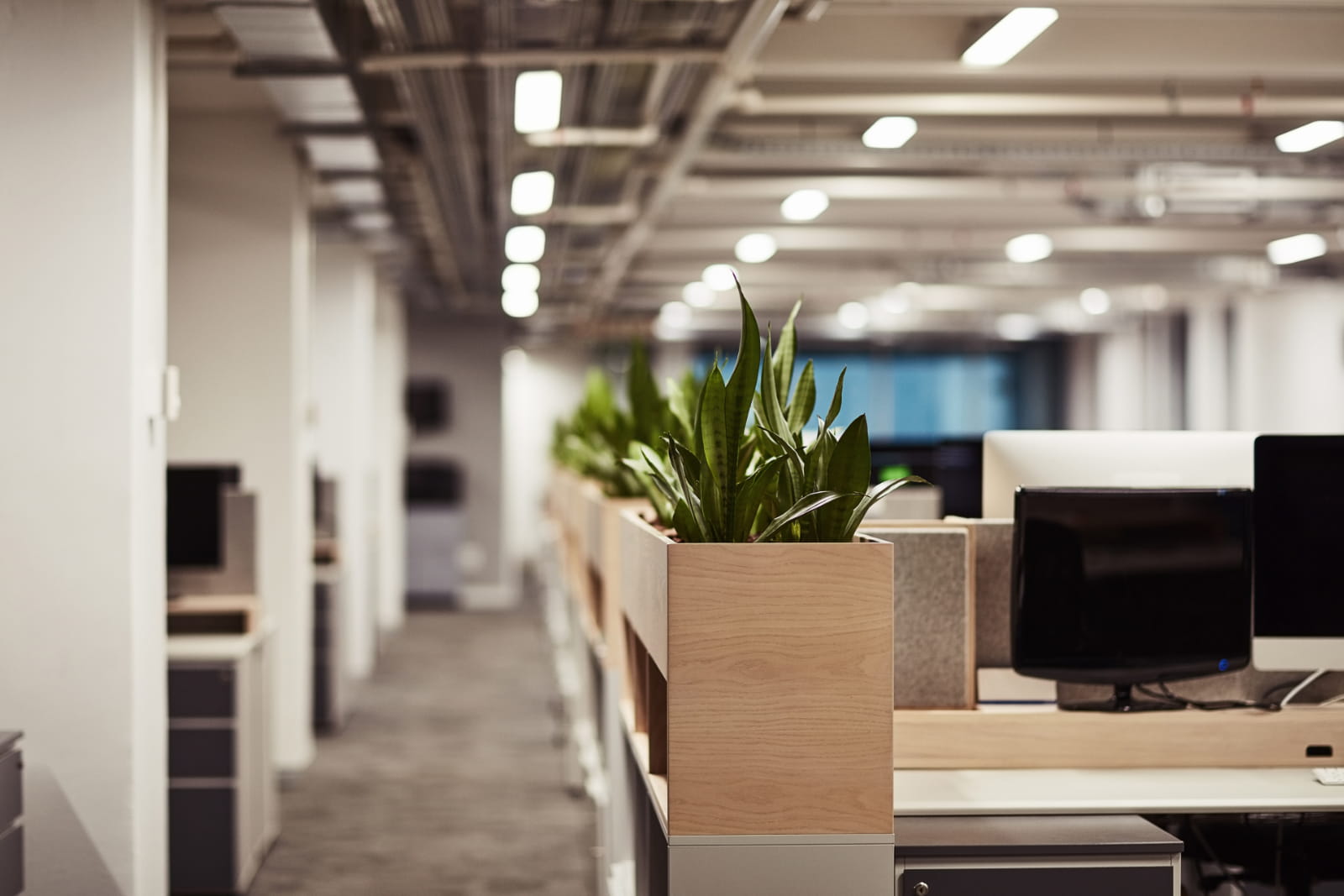
Integrating biophilic elements such as plants not only improves air quality but also creates a connection to nature, which can enhance creativity and focus. Wellbeing-focused offices are no longer a luxury, they are a key strategy for retaining talent and supporting sustainable productivity.
Features of wellbeing-focused spaces include:
- Access to natural light and carefully designed artificial lighting zones
- Acoustic treatments to reduce noise and distractions
- Calm areas for individual reflection or focused work
- Comfortable, ergonomic furnishings that reduce strain
- Greenery to purify air and improve employee mood
Prioritising wellbeing in office design encourages employees to feel valued and cared for. It also reduces burnout and supports mental health, which contributes to higher engagement and performance. Working with a company for interior design ensures these elements are incorporated thoughtfully into the office layout and style.
3. Technology Integration Without Overwhelm
Technology underpins modern tech offices, but it should enhance work rather than dominate the environment. Integrating systems discreetly allows employees to focus on tasks without distraction. Wiring, screens, and smart office features should be incorporated in ways that support functionality while maintaining aesthetic simplicity.
Infrastructure planning is key. Offices designed with future upgrades in mind can easily accommodate new devices or systems without major disruption. This ensures that the office remains modern and functional for years to come.
Ways to integrate technology effectively include:
- Concealed cabling and outlets to reduce clutter
- Smart devices integrated subtly into furniture or walls
- Flexible IT infrastructure that can be upgraded over time
- Collaborative tech zones designed for group work without distractions
- Clear guidelines for equipment placement to maintain organisation
Discreet technology integration supports productivity and reduces cognitive overload. Employees can work efficiently without being distracted by constant alerts or unsightly devices. Partnering with a company for interior design experienced in tech offices ensures that technology is woven seamlessly into the workspace.
4. Collaboration and Social Zones
Collaboration spaces are essential in tech offices, but they need careful planning to be effective. Open zones should encourage interaction while avoiding noise disruption in quiet areas. Strategic positioning and appropriate furniture allow employees to collaborate naturally and comfortably.
Social zones are equally important for fostering company culture. Informal spaces for conversation and relaxation encourage creativity and strengthen team bonds. Thoughtful design in these areas can lead to more meaningful collaboration and stronger relationships between colleagues.
Key elements of collaboration and social zones include:
- Clear zoning between quiet work areas and active collaboration zones
- Furniture that supports both group work and informal discussion
- Centralised locations to encourage natural interaction
- Acoustic treatments to manage sound levels
- Social hubs for breaks, refreshments, or casual meetings
Well-designed collaboration and social spaces strengthen innovation and engagement. They help employees feel connected to the organisation and each other, while ensuring work efficiency is not compromised. Engaging a company for interior design ensures these spaces are both functional and welcoming.
5. Sustainable and Future-Ready Design
Sustainability is now a crucial aspect of tech office design. Using durable, eco-friendly materials and energy-efficient systems reduces environmental impact and operational costs. Offices designed with adaptability in mind can scale or reconfigure easily, reducing the need for frequent renovations.
Future-ready design also signals responsible business practices. Flexible layouts, energy-conscious choices, and durable materials create an office that is resilient and cost-effective over the long term. Sustainability and adaptability work together to produce workplaces that are practical, ethical, and inspiring.
Sustainable design practices include:
- Energy-efficient lighting and climate control
- Recyclable or long-lasting materials for furniture and finishes
- Flexible layouts that allow for growth and change
- Spaces that encourage natural movement and reduce waste
- Design solutions that balance aesthetics with environmental responsibility
Future-proofing a tech office ensures it remains relevant as the company grows. Sustainable design enhances employee satisfaction and company reputation, creating workplaces that perform well operationally and ethically. A company for interior design experienced with tech offices can implement these strategies effectively.
6. Brand and Culture in the Physical Space
The office should reflect the company’s brand and culture in subtle but meaningful ways. Colours, materials, and layout can communicate values and identity without overt branding. This fosters a sense of pride and belonging among employees.
Embedding culture into the office design also supports recruitment and retention. A space that reflects the company’s mission and values can inspire loyalty and engagement, creating an environment where people feel connected to the organisation’s purpose.
Ways to incorporate brand and culture include:
- Colour schemes and finishes that reflect company values
- Layouts that encourage collaboration aligned with team culture
- Artwork or installations that communicate mission subtly
- Design choices that support the desired work style and interaction
- Integration of cultural elements to create a cohesive identity
By embedding brand and culture into the workspace, companies can reinforce their identity and enhance employee experience. Offices become more than just functional areas, they tell a story about the organisation’s purpose and approach. A company for interior design can guide these decisions to ensure authenticity and cohesion.
Where can I find interior designers experienced with tech company offices?
At Turnkey Interiors, we specialise in creating bespoke tech office environments. We manage every aspect of the project from consultation to installation, including design conceptualisation, space planning, procurement, and fit-out. Our approach ensures offices are functional, flexible, and aligned with company goals.
Our team understands the unique challenges of tech offices, including high-pressure environments, rapid change, and the need for spaces that support collaboration and wellbeing. We use data and 3D visualisations to create layouts that are both practical and inspiring, helping clients make informed decisions before work begins.
By partnering with us, you gain access to a dedicated team experienced in delivering turnkey solutions for tech companies. We focus on creating spaces that foster innovation, support employees, and remain adaptable for future growth.
Essential Trends for Your Interiors
These trends show that modern office design is strategic, flexible, and people-focused. From flexible layouts and wellbeing initiatives to technology integration and sustainable practices, these trends enable offices to support productivity, engagement, and company culture.
If you are planning a new tech office or a refurbishment, we at Turnkey Interiors are ready to help. Get in touch today to explore how we can create a workspace that inspires your team, reflects your company’s values, and supports long-term growth.

Leave a Reply